
Diseases
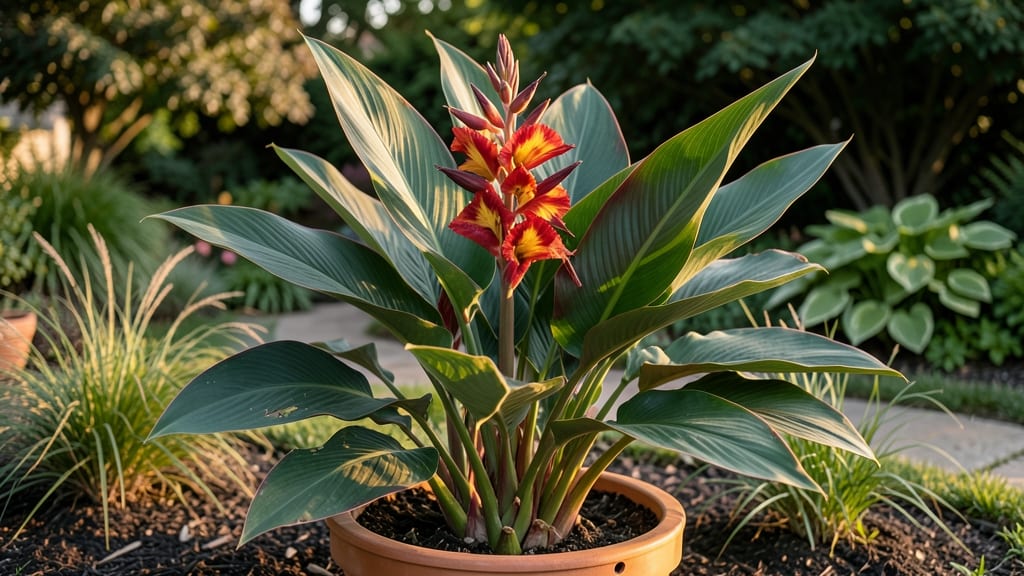
Canna plants are perennials in warm climates (USDA zones 8-11), but they die back to the ground in colder regions and are often grown as annuals. You can extend their lifespan in cooler areas by digging and storing the rhizomes indoors during winter.
Canna's perennial nature depends entirely on your climate. 🌱 Native to tropical and subtropical regions, these plants thrive year-round where temperatures rarely dip below 20°F. In colder zones, the above-ground foliage freezes back, but the underground rhizomes remain dormant—like a natural survival mechanism.
What's fascinating is how these rhizomes can regenerate new shoots once temperatures warm again, which is why many gardeners treat them as perennials even in zones 7 and below, with proper overwintering care.
This adaptability makes canna a favorite for gardeners in diverse climates. Whether you're in a frost-free zone or a chilly region, understanding how to protect those rhizomes can mean the difference between losing your plant each year and enjoying its bold foliage and dramatic blooms for seasons to come.
The key is knowing when to dig and how to store them properly—more on that in the next section!
💡 In This Article
- Canna Plant Cold Hardiness by USDA Zone
- How to Overwinter Canna Rhizomes in Cold Climates
Canna plant cold hardiness by USDA zone
Canna plants originate from tropical and subtropical regions where temperatures stay consistently warm, making them naturally suited for USDA zones 8-11. These zones experience average minimum temperatures between 10°F and 30°F, which aligns perfectly with canna's biological comfort zone.
The plant's foliage thrives when daytime temperatures reach 70-90°F, and its rhizomes (thick underground stems) store energy to fuel regrowth each season. 🌿 This is why canna behaves as a true perennial in these warmer climates—it doesn't need to go dormant because winter freezes never occur.
The magic happens in the rhizomes, which act like nature's survival pods. These thick, fleshy stems contain stored starches and nutrients that allow the plant to regenerate new shoots when conditions improve.
When temperatures drop below 20°F for extended periods, the above-ground foliage freezes and dies back—but the rhizomes remain protected underground. This is the biological mechanism that distinguishes canna's perennial behavior in warm zones from its annual treatment in colder regions.
The rhizomes can survive brief cold snaps, but prolonged freezing causes irreversible damage.
In zones 7 and below, where winter temperatures regularly dip below 0°F, the story changes dramatically. The rhizomes enter a state of dormancy, but without protection, they'll freeze solid and die. This is why gardeners in these areas must take action to preserve their canna plants.
The key difference between dormancy (a temporary survival state) and death comes down to temperature exposure—rhizomes can handle short-term cold but not sustained freezing. 🥶 Understanding this biological limit helps explain why canna behaves like an annual in colder climates unless proper overwintering techniques are applied.
What makes canna unique among perennials is its ability to regenerate from just a small piece of rhizome. Even if the main rhizome freezes, a tiny surviving fragment can often produce new growth when replanted.
This resilience is why many gardeners in marginal zones (like zone 7) attempt overwintering—even if they lose some plants, they can often recover from stored rhizomes. The science here involves the plant's ability to compartmentalize damage, focusing its energy on protecting the most vital growth points.
Consider how canna compares to other tropical perennials like elephant ears (Colocasia) or ginger. These plants share similar cold sensitivity because they all evolved in warm climates. However, canna's rhizomes are particularly hardy when properly stored, making them more adaptable to cooler regions than some of its tropical cousins.
This adaptability is what gives canna its reputation as a "perennial annual"—a plant that can behave like both depending on your climate and care approach.
The boundary between perennial and annual behavior in canna comes down to one critical factor: whether the rhizomes survive winter intact. In warm zones, they do this naturally. In cold zones, human intervention becomes necessary.
This is where the next section becomes crucial—learning how to properly store those rhizomes can transform your canna from a fleeting summer annual into a long-lived garden staple. 💫