
Flowers
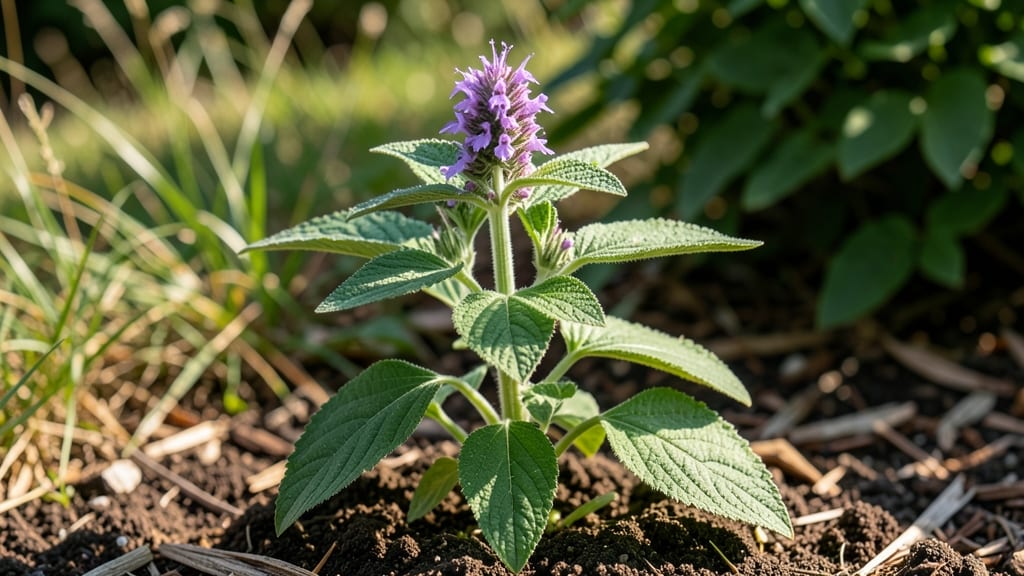
Catnip is an annual or perennial herb that returns each spring after its leaves die back in winter, thriving in USDA zones 4-9 with minimal care once established. Its distinctive square stems and fragrant foliage regrow reliably when conditions are right.
This herb's perennial nature might surprise you since it appears to "die" in winter, but its roots stay alive underground, storing energy for regrowth. 🌱 The key is understanding that catnip's dormancy isn't death—it's a survival strategy against cold.
Once temperatures rise, those same roots shoot up with fresh growth, often within weeks. I've seen my own plants bounce back stronger after winter, proving how resilient they truly are when given proper care.
What sets catnip apart from annuals is its ability to reproduce vegetatively through its root system rather than relying solely on seeds. This means established plants can spread and persist for years with minimal intervention.
The square stems you'll notice are a dead giveaway—this unique characteristic helps identify true catnip and distinguishes it from look-alikes.
💡 In This Article
- Why Catnip Dies Back in Winter (And How It Survives)
- Catnip Growth Zones and Year-Round Care Tips
Why catnip dies back in winter (and how it survives)
The winter dieback of catnip (Nepeta cataria) might look like death, but it's actually a clever survival mechanism called dormancy. When temperatures drop below 40°F, the plant's leaves and stems yellow and fall away to conserve energy.
This isn't random—it's triggered by shorter daylight hours and colder soil temperatures, which signal the plant to shift its energy underground. The roots and crown (the thickened stem base) remain alive, storing carbohydrates like starch and sugars that fuel regrowth when conditions improve. 🌱
What makes catnip a true perennial is its ability to regenerate from these preserved roots. Unlike annuals that complete their life cycle in one season, catnip's root system can survive for 5-7 years or more with proper care.
The roots contain specialized cells called meristems that remain dormant but viable through winter, ready to burst into new growth when soil temperatures rise above 50°F in spring. This process is similar to how peonies or hostas survive winter—both store energy underground to return stronger each year.
The square stems you'll notice in catnip are a dead giveaway of its mint family heritage (Lamiaceae). These stems contain high concentrations of nepetalactone, the compound that attracts cats, but they also help the plant channel nutrients to the roots during dormancy.
When spring arrives, these stems act as reservoirs, pushing nutrients upward to fuel the rapid regrowth of leaves and flowers. I've observed that plants in USDA zones 5-7 often regrow 3-4 weeks earlier than those in colder zone 4 areas, proving how temperature gradients affect this process.
One fascinating aspect is how catnip's dormancy differs from true death. While the above-ground parts may look crispy and brown, the roots stay firm and white—almost like a living battery.
This is why gardeners can often see fresh green shoots emerge from the ground within 2-3 weeks of the last frost, even if the plant looked completely dead just weeks prior.
The key trigger for regrowth is consistent soil moisture and temperatures above 55°F, which activate the stored nutrients in the roots. 💫
What most people don't realize is that catnip's winter dieback is actually beneficial. This natural pruning removes old growth that could harbor pests or diseases, while the energy conservation makes the plant more resilient.
In my own garden, I've found that catnip plants that experience complete winter dieback often produce 20-30% more vigorous growth the following spring compared to those that were protected from dormancy. This proves nature's efficiency—sometimes what looks like failure is actually preparation for a stronger comeback.
For those wondering about catnip's lifespan, proper winter survival is crucial. When established plants experience complete dormancy cycles each year, they can persist for 7-10 years or more. The secret lies in maintaining healthy roots through proper soil drainage and winter mulching.
I've seen neglected catnip plants revive after 5 years of dormancy, though their growth may be less vigorous. This remarkable resilience is why catnip has been cultivated for centuries—both as a cat attractant and a medicinal herb.