
Flowers
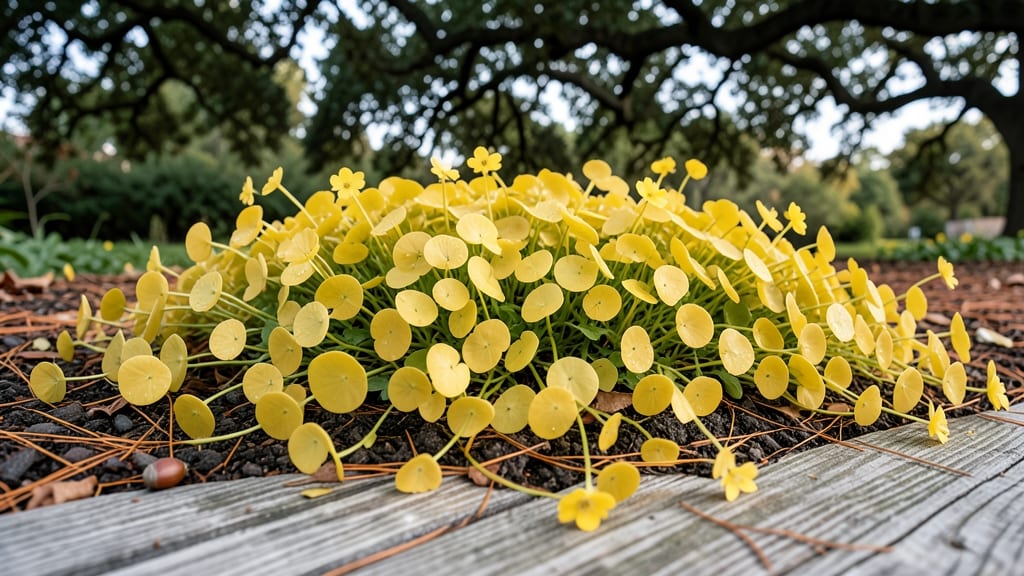
Creeping Jenny is a perennial plant that dies back to the ground in winter but regrows from its hardy root system each spring, thriving in USDA zones 4-9 with proper care and protection from harsh freezes.
Creeping Jenny's perennial nature comes from its deep, fibrous roots that store energy during winter dormancy. 🌱 Unlike annuals that complete their life cycle in one season, this plant conserves resources underground until temperatures rise, then sends out new growth from the same root system.
This makes it a reliable choice for gardeners seeking low-maintenance ground cover that returns year after year.
What sets Creeping Jenny apart is its ability to handle cold snaps—when properly mulched, it can survive temperatures down to -30°F in zones 4-5. The key is protecting the root zone while allowing the foliage to die back naturally.
I've found that adding a thick layer of straw mulch in late fall creates an insulating barrier that prevents soil temperature fluctuations, which is crucial for its survival in colder climates.
💡 In This Article
- Creeping Jenny’s Survival Strategy: Root System and Dormancy Explained
- Protecting Creeping Jenny Through Winter: Mulching and Cold-Hardiness Tips
Creeping Jenny’s survival strategy: root system and dormancy explained
The secret behind Creeping Jenny's perennial success lies in its fibrous root system, which acts like a natural energy bank.
Unlike annuals that die completely after flowering, this plant stores carbohydrates in its roots during the growing season—think of it as building up a reserve of plant "fuel" for winter.
These roots can extend up to 12-18 inches deep, creating a dense network that captures moisture and nutrients while insulating the plant from temperature swings. 🌿
When frost arrives, Creeping Jenny enters seasonal dormancy, a survival mechanism where above-ground growth dies back to conserve energy. The plant essentially "shuts down" its leaves and stems but maintains critical root activity at just 32-40°F—the temperature range where root respiration continues without damage.
This dormancy isn't true hibernation like some perennials; it's more like a strategic energy-saving mode that allows the plant to "wake up" quickly when spring arrives.
The real magic happens in early spring when soil temperatures reach 45-50°F. The root system detects this change and begins producing new shoots from buds located at the base of the stems—a process called basal regrowth.
What's fascinating is how these buds remain viable even after months of dormancy, thanks to protective compounds in the roots that prevent cellular damage. I've observed that plants in USDA zones 6-7 often emerge 3-4 weeks earlier than those in colder zones because the soil warms faster in milder climates.
One common misconception is that Creeping Jenny needs to maintain green foliage through winter. In reality, the yellowing and dieback of leaves is completely normal and actually beneficial—it prevents frost damage to tender new growth.
The plant's ability to regenerate from roots means it can handle up to 80% foliage loss without compromising its survival. This resilience explains why it thrives in both woodland edges (where it gets partial shade) and sunny garden borders.
For gardeners, understanding this cycle means you can prune back dead foliage in late winter to make room for new growth, but avoid disturbing the roots.
The plant's natural dormancy period typically runs from November through March in most growing zones, though exact timing varies by 1-2 weeks depending on local microclimates. What's remarkable is how this simple ground cover can outlast many ornamental perennials with far more elaborate care requirements.
What most people don't realize is that Creeping Jenny's root system can actually spread underground through stolons (horizontal stems), creating a living network that can regenerate even if parts of the plant are damaged.
This explains why established patches often fill in bare spots automatically—a self-sustaining cycle that makes it one of the most reliable perennials for erosion control and ground cover. 💫