
Flowers
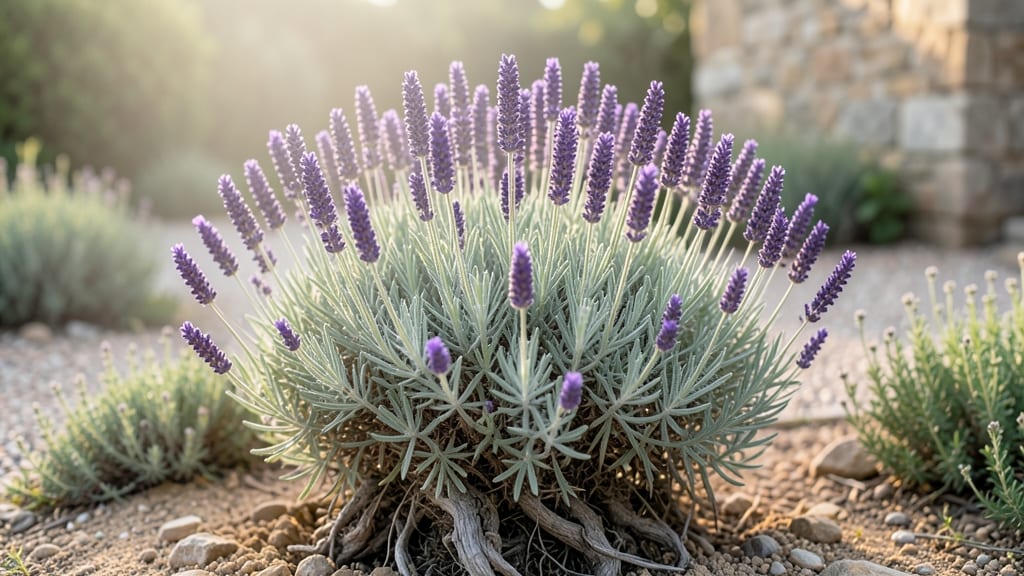
English lavender is a perennial that thrives as a hardy, drought-resistant plant, though it may exhibit winter dieback in colder climates. With proper care, it regrows each spring from its woody base, making it a long-lasting garden staple.
Yes, English lavender absolutely qualifies as a perennial, but its lifespan in your garden depends on how well you manage its seasonal dormancy. 🌿 Unlike annuals that complete their life cycle in one year, this plant survives multiple growing seasons by storing energy in its woody stems during winter.
The key is understanding its natural cycle—it may look dead after frost, but those sturdy stems hold the secret to next year's growth. In colder regions (USDA zones 5-6), you'll often see the tops die back completely, only to bounce back with new shoots once temperatures rise.
What sets English lavender apart is its remarkable resilience once established. While it might not thrive in freezing winters without protection, proper planting techniques—like choosing well-drained soil and avoiding waterlogged conditions—can significantly improve its cold tolerance.
I've found that varieties like 'Hidcote' and 'Munstead' tend to handle winter better than others, though they still benefit from a little winter care in harsh climates.
💡 In This Article
- Understanding English Lavender’s Perennial Dieback Cycle
- Cold-Hardiness Tips for Growing English Lavender Long-Term
Understanding English lavender’s perennial dieback cycle
English lavender enters its winter dormancy cycle when temperatures drop below 20°F (-6°C), a process triggered by shorter daylight hours and colder air. The plant’s above-ground growth slows dramatically, and its leaves turn brown as chlorophyll breaks down—a natural survival mechanism.
What most gardeners don’t realize is that the real magic happens below ground: the woody stems (called caudices) store carbohydrates and nutrients, acting like a biological battery that fuels regrowth in spring.
These stems can remain viable even after being buried under 4-6 inches (10-15 cm) of snow, thanks to their thick, waxy coating that prevents moisture loss.
The dieback you see in winter isn’t permanent damage—it’s the plant’s way of conserving energy. In USDA zones 7-9, lavender often retains some green foliage through winter, while in zones 5-6, the entire top may blacken and appear dead.
The key difference lies in the plant’s ability to photosynthesize at lower temperatures: varieties like 'Munstead' can handle 10°F (-12°C) with minimal protection, while others like 'Grosso' may need extra care in zone 5.
Pruning in late winter (just before new growth appears) removes dead foliage and redirects energy to the caudex, which is why many experts recommend cutting back by one-third at this stage.
What makes English lavender’s cycle unique is its ability to regenerate from just a small portion of living tissue. Even if 90% of the plant appears dead after frost, the caudex can produce new shoots from just a few millimeters of viable growth.
This resilience explains why lavender often returns stronger than before—it’s not just surviving winter, it’s emerging with a fresh start.
The timing of regrowth depends on your climate: in warmer zones, you might see green shoots by early March, while in colder areas, patience until April or May is often needed.
One common misconception is that winter dieback means the plant is dying permanently. In reality, this is a carefully regulated process involving hormonal changes, particularly the increase in abscisic acid that signals dormancy.
The plant’s root system remains active at soil temperatures above 32°F (0°C), continuing to absorb moisture and nutrients even when above-ground growth is dormant. This underground activity is what allows lavender to bounce back so reliably each spring, provided the caudex isn’t damaged by extreme cold or poor drainage.
For gardeners in transitional zones (like zone 6), the challenge isn’t whether lavender will regrow, but how vigorously. The plant’s cold tolerance improves with age—young lavender plants (under 2 years old) are more vulnerable than mature specimens with well-developed caudices.
This is why many experts recommend waiting until plants are established before pushing their cold limits, as the thicker stems provide better insulation against freezing temperatures.
Consider this visual analogy: Think of English lavender’s winter cycle like a tree in dormancy. The leaves fall (or brown), but the trunk and roots remain alive, storing energy for spring.
The difference is that lavender’s "trunk" is its woody stem, and with proper care, it can survive decades this way. The brown, brittle stems you see in winter are essentially nature’s way of protecting the plant’s core survival mechanism—its caudex—until conditions improve.