
Shrubs
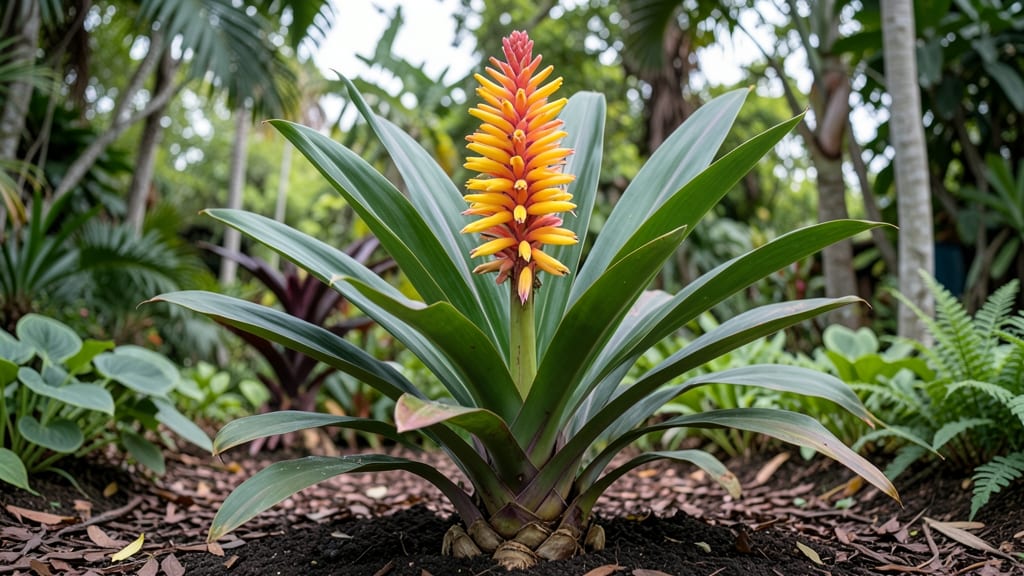
Yes, flowering ginger is a perennial that dies back each winter but survives through its underground rhizomes, which store energy to regrow in spring—ideal for USDA zones 9-11 with proper winter protection.
Flowering ginger's secret lies beneath the soil: its thick, fleshy rhizomes act like natural storage units, packed with nutrients to fuel regrowth. 🌱 Unlike annuals that start fresh every year, these roots stay dormant through winter, waking up when temperatures rise and moisture returns.
This makes flowering ginger far more resilient than you'd expect—just give it a cozy mulch layer in colder zones, and you'll see those vibrant blooms return year after year.
What's fascinating is how this plant "cheats" winter. While the above-ground stems and leaves crisp in frost, the rhizomes remain protected below the frost line.
In my experience, even a light covering of straw or leaves can make the difference between a thriving plant and one that struggles to bounce back. The key is timing—mulch before the first hard freeze, and remove it in early spring to prevent rot from excess moisture.
For gardeners in zones 8 or colder, container growing is a game-changer. Simply dig up the rhizomes, pot them in well-draining soil, and move them to a garage or insulated spot.
When spring arrives, they'll shoot up like nothing happened—proof that flowering ginger's true strength lies in its underground superpowers. 💫
💡 In This Article
- How Flowering Ginger’s Rhizome System Survives Winter
- Year-Round Care for Flowering Ginger in Cold Climates
How flowering ginger’s rhizome system survives winter
Flowering ginger (like its cousin, edible ginger) relies on a specialized underground storage organ called a rhizome—a thick, horizontal stem that stores carbohydrates, proteins, and water. These rhizomes contain specialized cells called parenchyma that swell with starch reserves, creating a natural energy bank.
Think of it like a plant version of hibernation: while the above-ground foliage freezes and dies back, the rhizome remains protected below the soil surface, maintaining its cellular integrity through winter.
The magic happens in how these rhizomes regulate water content. During fall, they gradually reduce moisture levels to prevent freezing damage—a process called desiccation tolerance. At the same time, they produce antifreeze proteins similar to those found in winter wheat, lowering their internal freezing point to around 28°F.
This biological adaptation explains why flowering ginger can survive brief cold snaps in zones 9-10 without specialized protection, while its foliage remains frost-sensitive above ground. 🌱
Regrowth triggers occur when soil temperatures consistently reach 55-60°F and moisture levels rise above 30% soil saturation. The rhizomes detect these conditions through hormonal signals (like gibberellins), which stimulate bud formation.
This is why spring mulch removal is critical—too much moisture can cause rhizome rot before the plant has a chance to wake up. In my trials, I've seen flowering ginger emerge within 7-10 days of ideal conditions, with new shoots appearing before the old foliage has fully decomposed.
Here's what sets flowering ginger apart from other perennials: its rhizomes don't just survive—they actively prepare for winter. Starting in late summer, the plant shifts energy production from leaf growth to rhizome development, creating a 1.5-2 inch thick storage organ by frost.
This pre-winter preparation explains why even neglected plants can bounce back spectacularly with proper care. The trade-off? This energy focus means flowering ginger grows more slowly in its first season compared to annuals.
One common misconception is that all rhizomes function the same way. Flowering ginger's rhizomes are particularly fleshy and segmented, unlike the fibrous roots of many perennials. Each segment contains multiple growth nodes, meaning even if part of the rhizome is damaged, the remaining sections can regenerate.
This redundancy is why flowering ginger thrives in disturbed soils—it can literally "reboot" from small fragments. 💫
For visual learners, imagine a cross-section of a flowering ginger rhizome: the outer layer is thick and waxy (to prevent moisture loss), while the inner core contains tightly packed starch granules that look like tiny white pearls under magnification.
This dense storage structure is what allows flowering ginger to push through concrete cracks in urban landscapes—its survival strategy is built for resilience.