
Flowers
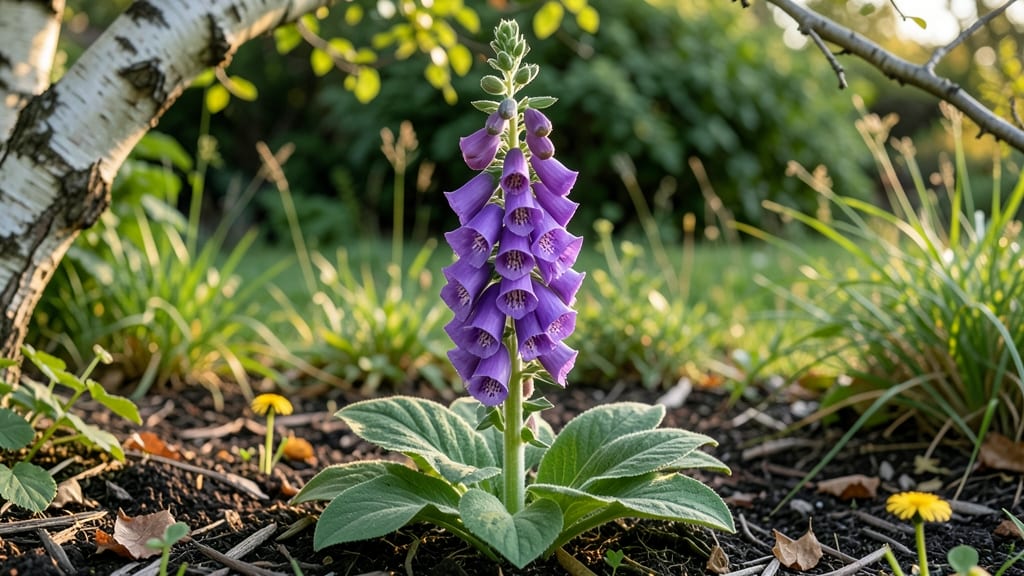
Foxglove isn't classified as a true perennial in most regions, but it mimics a biennial or short-lived perennial cycle, flowering spectacularly before dying back—only to resprout from seeds or root crowns when winters are mild.
This unique growth pattern means foxglove thrives as a garden favorite for 2-3 seasons before requiring renewal. 🌱 The key difference from true perennials lies in its reliance on seed propagation or root survival—rather than persistent underground stems.
In colder climates (USDA zones 3-5), foxglove often behaves as a true biennial, completing its life cycle in just two years. The plant's dramatic 5-6 foot spikes make it worth the temporary commitment, especially when you collect seeds from the first year's blooms for next season's displays.
What sets foxglove apart is its adaptability—while not a perennial in the strictest sense, it creates the illusion of one through its self-seeding habits and robust root systems. This makes it perfect for cottage gardens where you can let nature handle the succession planting.
Just remember: patience is key when waiting for those iconic bell-shaped flowers to return after winter's dormancy.
💡 In This Article
- Foxglove’s Lifespan: Biennial vs Perennial Behavior Explained
- How to Extend Foxglove’s Garden Lifespan
Foxglove’s lifespan: biennial vs perennial behavior explained
Foxglove's lifespan classification depends entirely on climate and growing conditions. Botanically, it's considered a short-lived perennial or biennial because it follows a two-stage life cycle. In its first year, foxglove grows a basal rosette of large, hairy leaves close to the ground, storing energy for its dramatic flowering phase.
This rosette stage can last 6-12 months depending on temperature and daylight exposure.
The real magic happens in year two when the plant sends up its iconic 4-6 foot flowering spikes loaded with bell-shaped blooms.
Each spike can produce 200-300 seeds—this prolific seed production is what allows foxglove to persist year after year through self-seeding, even though the parent plant dies back after flowering.
The key difference from true perennials is that foxglove lacks persistent underground stems (rhizomes or tubers) that would regenerate the plant annually.
In warmer climates (USDA zones 7-8), foxglove often behaves more like a short-lived perennial because the root crowns can survive mild winters and produce new growth. The root system develops a woody base that can persist for 3-5 years if conditions remain favorable.
However, in colder zones (3-5), the entire plant typically dies back to the ground each winter, requiring new seedlings to emerge from stored seeds.
What creates the "perennial illusion" is foxglove's aggressive self-seeding habit. When mature seed pods split open, they can scatter up to 800 seeds per plant across a 10-foot radius. These seeds remain viable in the soil for 2-3 years, creating dense stands of foxglove that appear perennial.
The trade-off is that these volunteer plants may not be true to the parent variety, sometimes producing slightly different flower colors or sizes.
Temperature plays the biggest role in foxglove's behavior. The plant requires 60-70 days of cool temperatures (50-65°F) to vernalize (trigger flowering). In warmer regions, foxglove may complete its cycle in just 12-18 months instead of two years.
This rapid growth explains why it thrives as an annual in tropical climates but behaves like a biennial in temperate zones.
One fascinating adaptation is foxglove's ability to produce cleistogamous flowers—self-pollinating blooms that never open. These hidden flowers develop at the base of the plant and ensure seed production even if the showy spikes are damaged or don't form.
This dual-flowering strategy is why foxglove populations often persist even when gardeners don't actively collect seeds.