
Flowers
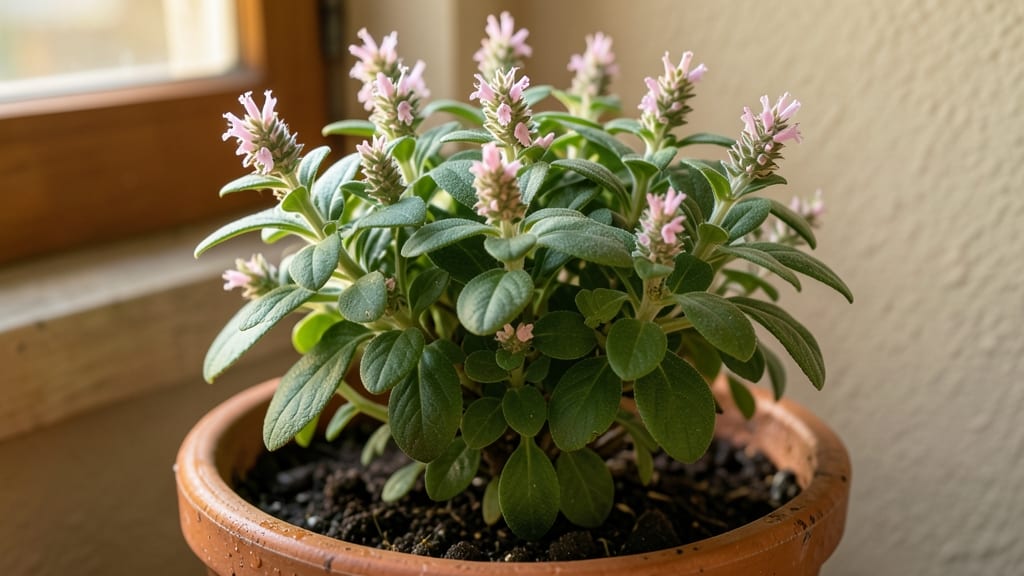
Italian oregano is a perennial plant that often appears to die back completely each winter in colder climates, leading many gardeners to mistake it for an annual. Its resilient root system persists underground, ready to regrow when temperatures warm up.
This misconception stems from Italian oregano's semi-woody stems, which brown and collapse in frost—just like true annuals. 🌱 The key difference? While annuals die entirely, perennials like oregano keep their roots alive through winter.
In milder climates (USDA zones 7-10), it thrives year-round, but even in colder areas, proper mulching can protect the roots and encourage stronger regrowth each spring.
What sets Italian oregano apart from other perennials is its cold hardiness variability. Some varieties handle zone 5 winters with proper protection, while others struggle below zone 7. The confusion arises because gardeners often plant it as an annual, unaware of its hidden persistence.
💡 In This Article
- Why Italian Oregano Dies Back Like an Annual
- How to Extend Italian Oregano’s Lifespan in Your Garden
Why Italian oregano dies back like an annual
Italian oregano (Origanum vulgare subsp. hirtum) is a true perennial in its native Mediterranean climate, but its growth habit in colder regions creates the illusion of annual behavior. The confusion stems from its semi-woody stems, which lack the thick insulation of true perennials like thyme.
When temperatures drop below 20°F, these stems freeze and turn brown, collapsing completely—just like an annual plant's lifecycle. However, the real story happens below ground.
The plant's root system is far more resilient than it appears. Italian oregano develops a robust root network that can survive temperatures as low as -10°F to -15°F when properly protected, depending on the specific cultivar.
This hardiness varies significantly: 'Greek Oregano' (a close relative) handles zone 5 winters, while some Italian varieties struggle below zone 7. The key difference from true annuals is that these roots remain metabolically active, storing energy to fuel regrowth when spring temperatures reach 50°F consistently.
What makes this particularly confusing is the plant's growth pattern. Unlike true perennials that develop woody crowns or rhizomes, Italian oregano sends up new shoots from the base each spring. These new stems are tender and frost-sensitive, giving gardeners the impression the entire plant has died.
In reality, it's simply following its natural Mediterranean adaptation—where it experiences dry summers but not extreme winters. This survival strategy explains why it thrives in coastal California (zone 9) but often requires winter protection in zone 6 gardens.
The botanical mechanism involves the plant's ability to enter dormancy. When temperatures drop, Italian oregano reduces its metabolic rate dramatically, similar to how many bulbs survive winter. The roots maintain a low level of activity, producing anti-freeze compounds like proline that protect cellular structures.
This dormancy state can last for months, with the plant waiting for specific environmental cues—particularly consistent soil temperatures above 45°F—before resuming growth. 🌱
Comparing it to other Mediterranean herbs helps clarify this behavior. Thyme, another perennial, develops woody stems that persist through winter, making its perennial nature obvious. Italian oregano's lack of woody stems above ground creates the misconception.
Even its leaves are different: while thyme has small, rounded leaves, Italian oregano's broader, more aromatic leaves are adapted for quick regrowth in spring—a trait that evolved in its native environment where summer droughts would otherwise kill the plant.
One fascinating aspect is how the plant's aroma changes with age. Fresh spring growth has a more delicate, slightly sweet scent, while established plants develop the bold, peppery aroma we associate with dried Italian oregano.
This aromatic development occurs as the plant matures each growing season, providing another clue that it's not starting from scratch annually but building on its root system's stored energy.