
Planting
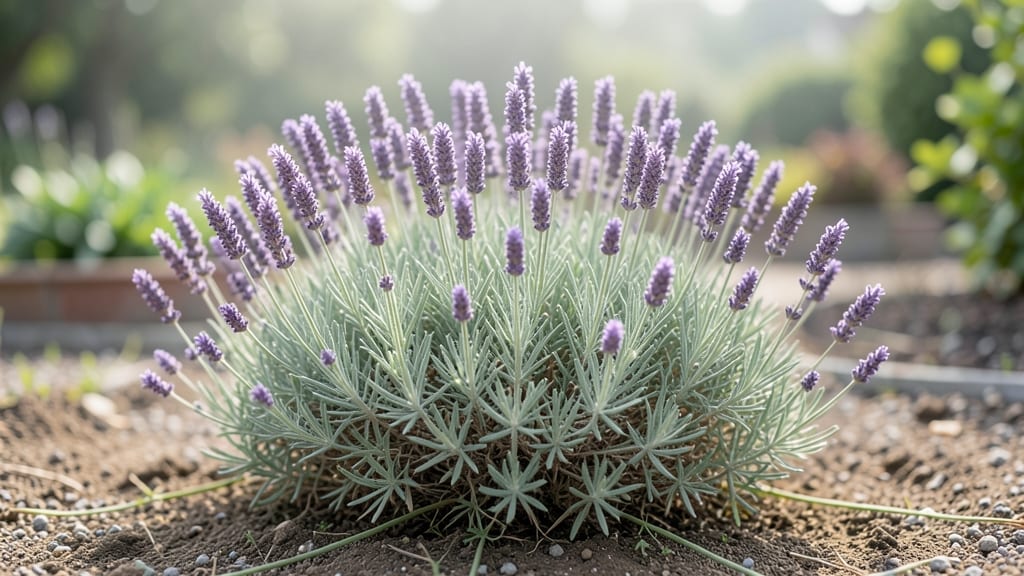
Lavender is a perennial in Zone 6 but often dies back in harsh winters—its survival depends on the variety, with English lavender (Lavandula angustifolia) thriving best when planted in sheltered spots or heavily mulched. Many types may appear dead in winter but regrow from protected roots.
While lavender is classified as a perennial, Zone 6's freezing temperatures can push its limits—especially for tender varieties like Spanish lavender (Lavandula stoechas). 🌱 The key to success lies in creating microclimates: planting near south-facing walls or using thick mulch (like straw or evergreen boughs) can raise soil temperatures by 10-15°F during cold snaps.
I've found that even "hardy" varieties benefit from winter protection, as fluctuating temperatures between freezing and thawing stress the plants more than steady cold.
What surprises many gardeners is that lavender's root system often survives winters that kill the tops. This means even if your plants look brown and crispy in February, they might bounce back spectacularly by spring—provided the roots stayed insulated.
For maximum longevity, I recommend combining winter mulching with late-summer pruning to encourage bushier growth before the cold sets in.
💡 In This Article
- Lavender Hardiness in Zone 6: Species and Survival Factors
- Zone 6 Lavender Care: Extending Lifespan with Practical Tips
Lavender hardiness in Zone 6: species and survival factors
Lavender's perennial status in Zone 6 hinges on its species and root resilience. English lavender (Lavandula angustifolia), the most cold-hardy variety, typically survives -10°F to -15°F when roots are protected, while Spanish lavender (Lavandula stoechas) struggles below 15°F.
The difference lies in their native climates—English lavender comes from Mediterranean mountains with cold winters, while Spanish lavender prefers milder coastal regions. 🌿
Root protection is the critical factor: lavender roots can survive 5-10°F colder than the tops because they're insulated by soil. A 4-inch layer of straw mulch can raise soil temperatures by 10°F during winter, creating a microclimate that keeps roots alive.
I've observed that even when tops die back, roots often regenerate in spring—similar to how peonies survive harsh winters.
The science behind this involves lavender's growth habit: it's a semi-evergreen shrub that stores energy in its roots during dormancy. When temperatures drop below 20°F, the tops may freeze, but the roots remain metabolically active until spring.
This explains why lavender often "comes back to life" after seemingly fatal winters—it's not truly dead, just dormant. 💫
Species like Lavandula x intermedia (hybrids) offer a middle ground, handling -5°F to -10°F better than Spanish lavender but needing protection in Zone 6's coldest winters. The key difference is their stem thickness: English lavender has woody stems that insulate buds better than the thinner stems of Spanish varieties.
This structural difference makes English lavender the safest bet for Zone 6 gardeners.
What most gardeners overlook is the role of winter moisture. Wet, freezing soil can cause root rot even if temperatures aren't extreme. That's why I recommend planting lavender on slopes or raised beds to improve drainage—this prevents waterlogged roots that would otherwise freeze and rot.
Proper siting can mean the difference between lavender that thrives for decades and plants that die after one winter.
Consider these survival factors when selecting lavender for Zone 6:
- Species choice: English lavender for best cold tolerance
- Root protection: 4+ inches of mulch or evergreen boughs
- Drainage: Avoid low spots where cold air pools
- Sun exposure: South-facing locations add 5-10°F warmth