
Planting
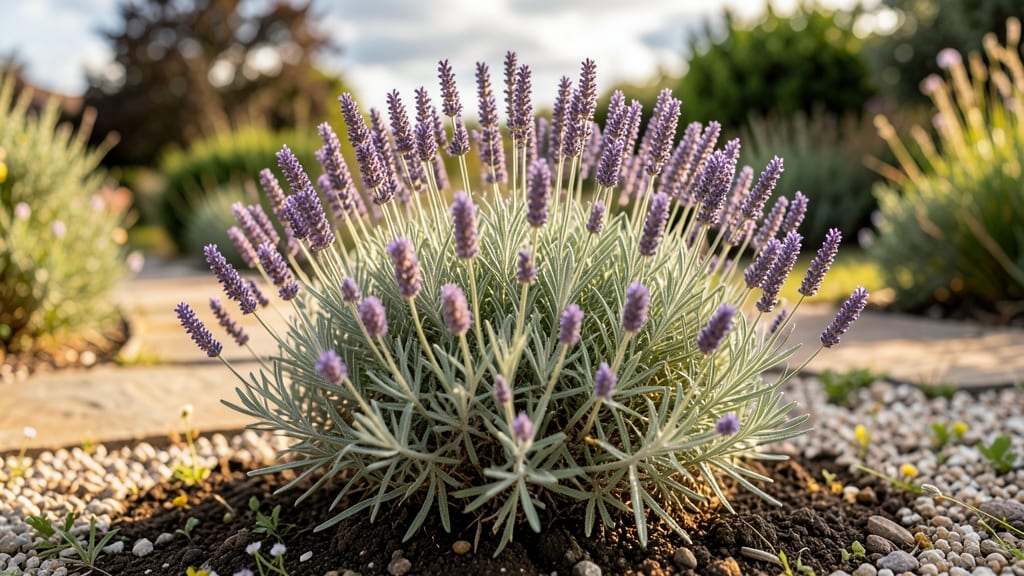
Lavender is a perennial plant that thrives for multiple years with proper care, returning each spring in most temperate climates, though its blooming cycle varies by species and growing conditions. Some varieties bloom annually, while others may require deadheading for repeat flowering.
Lavender earns its perennial reputation because it establishes deep root systems that survive winter dormancy in zones 5-9, regrowing each spring when temperatures rise. 🌱 The key difference between annual and perennial lavender often comes down to variety—English lavender, for example, typically blooms once per year, while Spanish lavender often produces multiple flushes with proper pruning.
What sets true perennials apart is their ability to live for decades with minimal intervention, though their first few years are when they build the strongest root structure.
This hardiness makes lavender a favorite for low-maintenance gardens, especially in Mediterranean climates where it thrives. The trade-off? Perennial lavender requires specific care—like well-draining soil and full sun—to prevent the woodiness that comes with age.
Many gardeners discover that their lavender's second or third year actually produces more robust blooms than the first, proving that patience pays off with these long-lived plants.
💡 In This Article
- Lavender as a Perennial: Growth Habits and Lifespan
- Maximizing Lavender’s Perennial Blooms: Pruning and Care Tips
Lavender as a perennial: growth habits and lifespan
Lavender belongs to the Lamiaceae family and is classified as a hardy perennial because its root system survives winter dormancy in USDA zones 5-9, regrowing each spring when soil temperatures reach 50°F.
Unlike annuals that complete their life cycle in one season, lavender's deep taproots (often extending 3-5 feet deep) store energy for multiple growing seasons. This root structure allows mature plants to live 5-10 years or longer with proper care, though their first 3 years are critical for establishing this resilience.
The confusion about lavender's perennial nature often stems from species differences. English lavender (Lavandula angustifolia) typically blooms once annually, while Spanish lavender (Lavandula stoechas) can produce multiple flushes with proper pruning.
The key factor is cold hardiness—varieties like Grosso lavender thrive in zone 5 winters (-20°F tolerance), while tender varieties like Provence lavender struggle below 15°F. This explains why some gardeners see lavender behave like annuals in harsh winters—it's not the plant's nature, but rather unsuitable growing conditions.
What makes lavender uniquely perennial is its ability to become more robust with age. Young plants focus energy on root development, often producing fewer blooms, but mature lavender plants (after 3-5 years) can yield 20-30% more flowers annually.
This is because their extensive root systems access water and nutrients more efficiently. The trade-off? Older lavender plants can become woody at the base, which is why pruning becomes essential—it encourages new growth from the base rather than just the tips.
Soil composition plays a surprising role in lavender's perennial performance. These plants thrive in well-draining, slightly alkaline soil (pH 6.5-7.5), which prevents root rot—a common killer of lavender. In heavy clay soils, lavender often fails to establish properly, leading gardeners to mistakenly believe it's an annual.
The perfect soil mix mimics lavender's natural Mediterranean habitat: 60% sand, 30% loam, and 10% compost. This combination ensures the plant's perennial nature can fully express itself.
Here's what happens when you get the conditions right: A properly cared-for lavender plant in zone 7 can produce blooms for 10+ years, with each year's flowers being more fragrant and abundant than the last.
The secret lies in mimicking its natural environment—full sun (6-8 hours daily), minimal watering (only when soil is completely dry), and annual pruning to maintain an open growth habit. This combination turns lavender from a temporary garden accent into a long-lived, low-maintenance star.