
Companion Plants
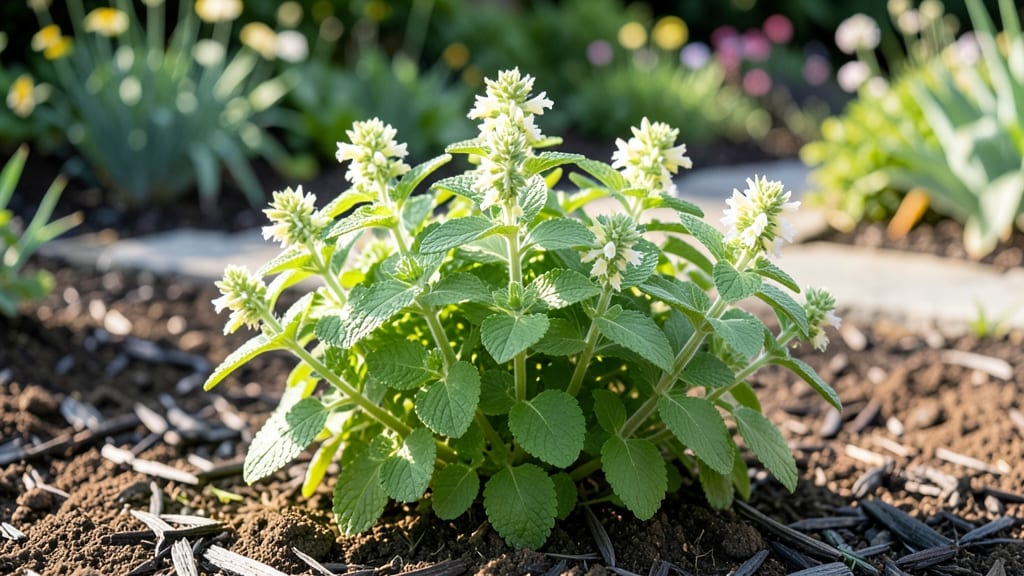
Lemon balm is a perennial herb that dies back to the ground in winter but regrows each spring from its hardy root system, thriving in USDA zones 3-9 with proper care.
Yes, lemon balm absolutely qualifies as a perennial—it may look like it’s gone for good after winter’s first frost, but those brown stems hide a secret: a robust root system that stores energy underground. 🌱 This hardy plant survives winters in zones 3-9 by going dormant, then bursts back to life with new growth when temperatures rise.
The key to its persistence lies in protecting those roots from extreme cold and ensuring well-draining soil, which prevents rot during freeze-thaw cycles.
What sets lemon balm apart is its ability to self-seed prolifically, often popping up in unexpected garden corners year after year. Even if you forget to protect it over winter, the roots frequently regenerate unless they’re completely frozen solid.
For gardeners in colder zones, a thick layer of mulch acts like a cozy blanket, shielding the roots from temperature swings that could otherwise stress the plant.
💡 In This Article
- Lemon Balm’s Perennial Growth Cycle Explained
- How to Encourage Lemon Balm’s Year-Round Survival
Lemon balm’s perennial growth cycle explained
Lemon balm's perennial nature hinges on its deep, fibrous root system that extends 12-18 inches underground, storing carbohydrates during summer growth to fuel winter survival. When temperatures drop below 32°F, the above-ground stems and leaves yellow and collapse, but the roots remain dormant yet alive.
This dieback isn't death—it's a strategic energy conservation mechanism, similar to how peonies or hostas survive winter. The root crown (where stems meet roots) contains meristematic cells that remain protected beneath the soil surface.
The regrowth process begins when soil temperatures reach 45-50°F in spring, triggering the roots to push out new shoots within 2-3 weeks.
What's fascinating is how lemon balm's cold hardiness varies by zone: plants in zone 3 can handle -30°F winters if properly mulched, while zone 9 plants may only need light frost protection.
The key difference lies in how quickly the roots can recover from freeze-thaw cycles—northern plants develop thicker root crowns over time, while southern varieties prioritize rapid spring regrowth over winter bulk storage.
You'll notice lemon balm's unique growth pattern when comparing it to true annuals like basil, which die completely after frost. Lemon balm's stems return from the same root system each year, often emerging in exactly the same location.
This consistency makes it perfect for garden borders or container growing, where you want reliable yearly returns. The plant's ability to regenerate from even small root fragments (as little as 1-inch pieces) explains why it spreads so aggressively—each fragment contains dormant buds capable of producing new shoots.
Seasonal variations also affect lemon balm's vigor. In hot climates, it may go dormant during summer heat rather than winter, entering a secondary dormancy phase. This explains why some gardeners in zone 9 report their lemon balm "disappearing" in July only to reappear in September.
The plant's adaptability stems from its native habitat across southern Europe and the Mediterranean, where it evolved to handle both cold winters and hot summers through this dual dormancy strategy.
What most gardeners overlook is how lemon balm's flowering cycle impacts its perennial survival. The plant's white to pale yellow flowers appear in late spring to summer, but these energy-intensive blooms can weaken the roots if not controlled.
Pruning back flower spikes after they appear prevents the plant from diverting energy away from root storage, ensuring stronger winter survival. This is why experienced growers recommend deadheading regularly—it's not just about aesthetics, but about maintaining the plant's long-term hardiness.
The science behind lemon balm's perennial success lies in its rhizomatous root system, which allows it to spread horizontally while maintaining vertical root depth. These rhizomes contain nodes where new shoots can emerge, creating a natural backup system if the main stems are damaged.
When you see lemon balm popping up in unexpected garden spots, you're witnessing this rhizomatous spread in action—each new plantlet represents a successful survival strategy from the previous year's roots.