
Flowers
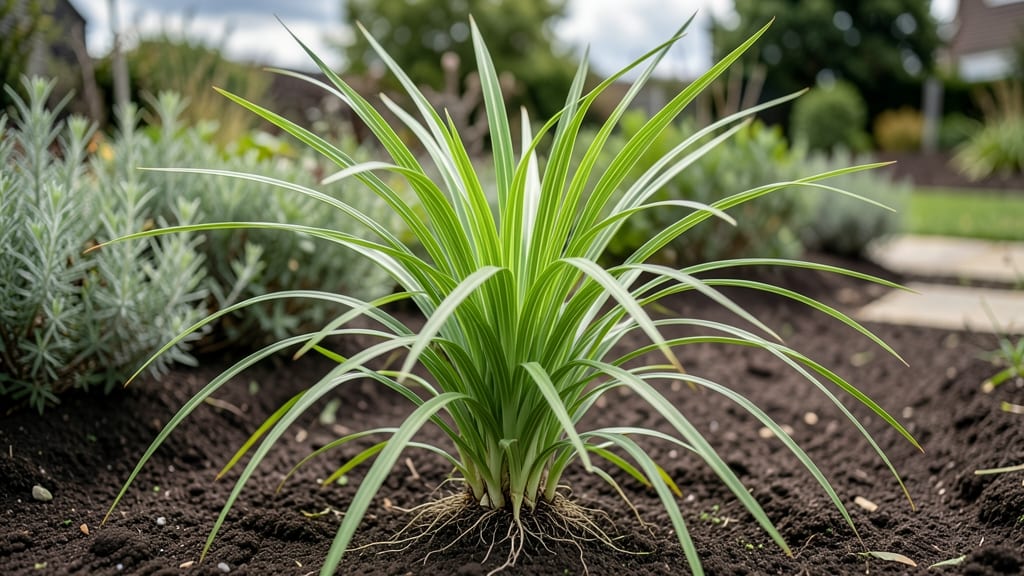
Lemongrass is a perennial in warm climates but behaves as an annual in colder regions, where it dies back to the ground each winter only to regrow from its hardy rhizomes when spring temperatures exceed 50°F.
This tropical plant's hardiness hinges on its underground rhizomes, which store energy and survive frost—just like ginger or turmeric. 🌱 In zones 9-11, lemongrass thrives year-round, but in cooler areas (zones 8 and below), it typically won't survive winter outdoors.
The key difference from true perennials is its sensitivity to prolonged cold: even a few days below freezing can kill the above-ground growth, though the rhizomes often remain viable for regrowth.
For gardeners in colder climates, the good news is that lemongrass can be overwintered indoors by digging up and potting the rhizomes before the first frost.
With proper care—keeping them in bright light and maintaining consistent moisture—they'll often rebound beautifully in spring, proving that while it may not be a traditional perennial in your zone, it's still a resilient plant with the right strategies.
💡 In This Article
- Lemongrass Growth Cycle: Why It Dies Back in Cold Weather
- Best Ways to Overwinter Lemongrass in Cold Climates
Lemongrass growth cycle: why it dies back in cold weather
Lemongrass originates from tropical regions like Southeast Asia and India, where temperatures rarely dip below 50°F year-round. This tropical heritage explains why it behaves like a true perennial in warm climates (USDA zones 9-11) but struggles in colder areas.
The plant's above-ground growth is particularly sensitive to frost—even brief exposure to temperatures below 32°F can cause irreversible damage to the leaves and stems. However, the real story lies underground, where its rhizomes (horizontal root stems) store carbohydrates and nutrients, allowing them to survive dormancy periods.
The rhizome system acts as lemongrass's survival mechanism, similar to how ginger or turmeric plants endure cold snaps. These underground stems contain meristematic tissue—growth points capable of regenerating new shoots when conditions improve. In warmer zones, lemongrass grows continuously, reaching heights of 3-5 feet with a lifespan of several years.
But in colder climates, the above-ground portions die back completely in winter, leaving only the protected rhizomes dormant until spring warmth triggers regrowth at 50°F+. This dieback cycle is why it's classified as a perennial in warm areas but behaves like an annual in frost-prone regions.
What makes lemongrass unique compared to true temperate perennials is its complete dependence on consistent warmth. Plants like asparagus or peonies have hardened stems that can withstand freezing, but lemongrass lacks this adaptation.
Its leaves contain essential oils that actually become more concentrated in cold weather—a survival strategy that makes them more vulnerable to frost damage. The plant's citrusy aroma intensifies when stressed, but this same trait makes it more susceptible to cold-related cell rupture in the stems.
Consider this comparison: While a true perennial like lavender might lose leaves but keep its woody base intact through winter, lemongrass loses everything above ground. The rhizomes, however, remain viable for 1-2 years if protected from freezing soil.
This is why gardeners in zones 8 and below must take special overwintering measures—without intervention, the rhizomes may survive but won't produce vigorous regrowth the following spring.
Interestingly, lemongrass's growth pattern mirrors that of many bamboo species, which also die back in cold climates but regrow from rhizomes. The key difference is that bamboo rhizomes are more cold-hardy, while lemongrass rhizomes require careful protection.
This tropical plant's survival strategy demonstrates nature's clever adaptations—sacrificing above-ground growth to preserve the vital underground components that ensure next year's harvest.
For those growing lemongrass in containers, this dieback behavior becomes particularly noticeable. The potted plants will appear completely dead after frost, with only the soil surface showing signs of life.
Yet when spring arrives and you water the dormant rhizomes, new shoots emerge within 2-3 weeks, proving that the plant's life cycle continues beneath the surface even during harsh winters.