
Aphids
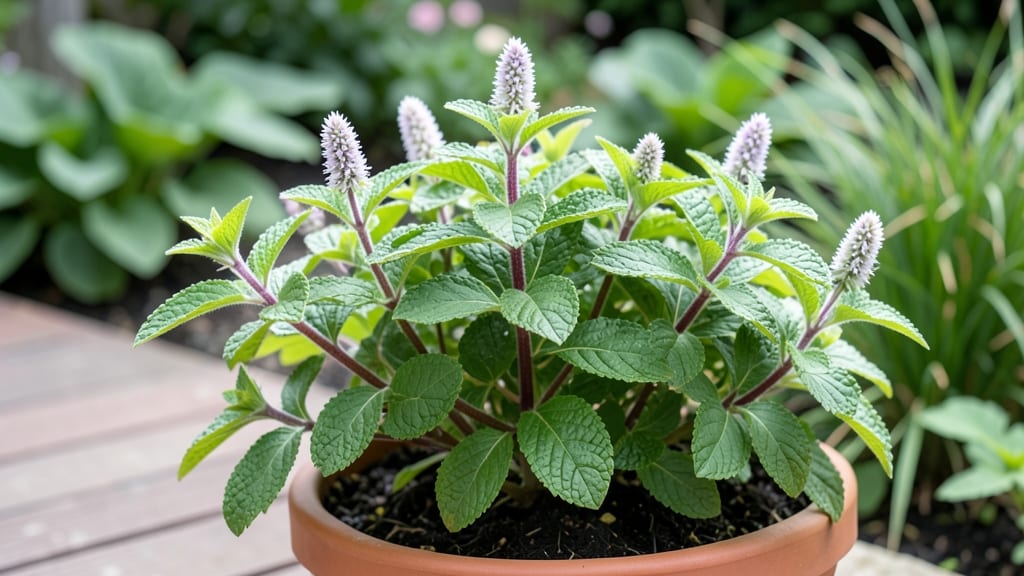
Mojito mint behaves as a perennial in USDA zones 9-11, where it thrives year-round, but acts like an annual in cooler regions unless protected from frost. Its roots survive mild cold, enabling regrowth when conditions improve.
Mojito mint's perennial status depends entirely on your climate zone. 🌱 Native to tropical regions, it naturally thrives in warm, frost-free areas where temperatures stay above 30°F consistently.
In colder zones, gardeners often treat it as an annual because the plant's delicate leaves can't withstand freezing—though its roots may linger underground until spring.
The key to extending its life in cooler areas is protecting it during winter, either by potting it for indoor overwintering or using thick mulch to insulate the soil.
What makes mojito mint unique is its resilience once established. Even if the above-ground growth dies back in frost, the root system often survives, ready to sprout fresh leaves when temperatures warm.
This regrowth ability is why many gardeners in marginal zones still grow it—it's like having a built-in reset button each spring. Just be prepared to provide extra care during winter months if you want to keep your plants going year after year.
💡 In This Article
- Mojito Mint Cold-Hardiness and Growth Habits
- How to Overwinter Mojito Mint in Cooler Climates
Mojito mint cold-hardiness and growth habits
Mojito mint (Mentha × villosa), also called apple mint, originates from tropical regions where it experiences consistent warmth and humidity. This heritage explains why it thrives as a perennial in USDA zones 9-11, where winter temperatures rarely dip below 30°F.
The plant's natural growth cycle aligns with these climates—its fibrous root system expands aggressively in warm soil, creating a dense network that anchors the plant and stores nutrients for regrowth.
The plant's cold sensitivity stems from its thin, tender leaves which freeze at 28°F or below, causing irreversible damage. However, the roots—buried 4-6 inches underground—often survive 20°F brief cold snaps, especially if protected by mulch.
This dual nature means mojito mint behaves like a tender perennial in warm zones but acts as an annual in colder areas unless protected. 🌱 The regrowth mechanism kicks in when roots detect rising soil temperatures in spring, sending up new shoots within 2-3 weeks.
What sets mojito mint apart from hardier mints (like peppermint) is its shallow root system, which makes it more vulnerable to freeze-thaw cycles. In ideal conditions (zones 9-11), it spreads rapidly via underground runners, creating thick patches that suppress weeds naturally.
The leaves' signature apple-mint aroma comes from high levels of menthol esters, which actually provide some natural frost resistance by lowering the plant's freezing point slightly.
Gardeners in cooler zones often notice mojito mint's resilience in unexpected ways. Even if the foliage blackens after 15°F temperatures, the roots may still sprout new growth when warmed. This regrowth isn't identical to the original plant—new shoots are typically 20-30% smaller the first season after frost damage.
The plant's ability to recover depends on how well the roots were insulated during winter.
For comparison, consider spearmint (Mentha spicata), which handles USDA zone 5 winters with minimal protection. Mojito mint's tropical origins mean it lacks the cold-hardiness adaptations of native mints. The trade-off? Its flavor profile—sweeter with apple notes—makes it worth the extra winter care for enthusiasts. 💫
Understanding these growth habits helps explain why mojito mint's perennial status varies so dramatically by location. In its native range, it grows aggressively year-round, while in temperate zones, it becomes a seasonal player that requires strategic winter protection to persist.