
Planting
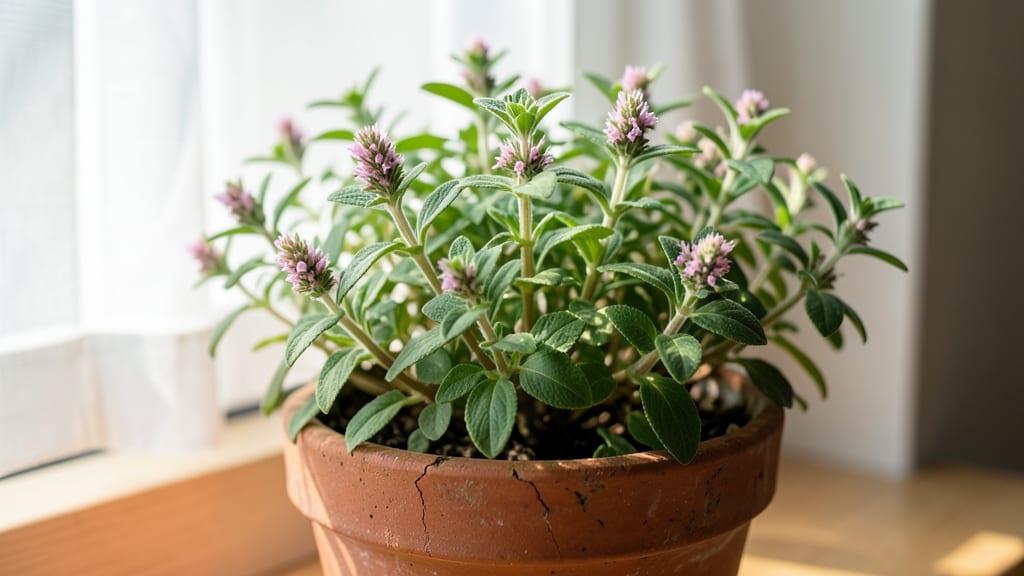
Yes, oregano is a perennial plant that returns yearly in mild climates but often dies back to the ground in winter, regrowing from its hardy root system in spring. Cold-hardy varieties thrive in USDA zones 5-9, while tender types may need protection or replanting annually in colder regions.
Oregano's perennial nature means it survives through multiple growing seasons, though its aboveground growth often freezes back in winter. 🌱 The plant's root system remains dormant until warm weather returns, making it a reliable choice for gardens in temperate zones.
In colder climates outside zones 5-9, gardeners often treat it as an annual or provide winter protection like mulch or containers to preserve the roots.
What sets oregano apart is its ability to regenerate quickly once temperatures rise, often producing new growth within weeks of spring's arrival. This makes it a low-maintenance herb for gardeners who want flavorful leaves year after year with minimal effort.
For best results, plant in well-draining soil and provide full sun exposure to encourage robust regrowth each season.
💡 In This Article
- How Oregano’s Perennial Growth Cycle Works in Different Climates
- Best Practices for Growing Oregano as a Perennial in Your Garden
How oregano’s perennial growth cycle works in different climates
Oregano's perennial nature hinges on its hardy root system, which can survive temperatures as low as 10°F in cold-hardy varieties like Greek oregano (Origanum vulgare). When frost hits, the aboveground stems die back, but the roots remain alive underground, protected by a natural layer of insulating soil.
This dormancy is triggered by short daylight hours and dropping temperatures, signaling the plant to conserve energy until spring. 🌿 The roots store carbohydrates during the growing season, fueling regrowth when conditions improve.
In USDA zones 5-9, oregano naturally regrows each spring from its roots, often sending up new shoots within 2-4 weeks after the last frost.
The key difference lies in winter hardiness: varieties like Italian oregano (Origanum x majoricum) may struggle in zone 4 or colder, where roots can freeze without protection.
Even in mild winters, oregano's growth cycle follows a predictable pattern—active growth in spring/summer, dormancy in fall/winter, and regeneration in early spring.
What most gardeners don't realize is how soil temperature affects regrowth timing. Oregano roots begin actively growing when soil reaches 50-55°F, which is why you might see new shoots in early spring even if air temperatures are still chilly.
In contrast, tender varieties planted in containers or zone 4 gardens may need extra insulation (like thick mulch or frost blankets) to prevent root damage. The deeper you plant the roots—6-12 inches below soil level—the better they'll survive freezing temperatures.
Climate also influences oregano's flavor intensity. Plants grown in full sun (6-8 hours daily) and well-draining soil produce the most aromatic leaves, while those in cooler, shadier climates may yield milder flavors.
For example, Greek oregano thrives in Mediterranean climates (zones 8-9) with hot, dry summers, while northern varieties adapt to cooler summers (zones 5-6) by growing more slowly. This adaptability is why oregano remains a staple in gardens worldwide—it's not just about survival, but about thriving under diverse conditions. 🌍
Consider these three key climate factors that determine oregano's perennial success:
- Winter lows: Roots survive 10-15°F in zones 5-9; colder zones need protection.
- Spring soil warmth: Regrowth begins at 50-55°F soil temp, not air temperature.
- Summer heat tolerance: Drought-resistant varieties handle 90°F+ days better than tender types.
The science behind this lies in oregano's woody rhizomes, which store energy and resist rot even when saturated. This makes it far hardier than annual herbs like basil, which die entirely in winter.
For gardeners in marginal zones, the secret to perennial success is mimicking natural conditions—whether through mulching, container insulation, or choosing the right variety for your local climate. 💡