
Flowers
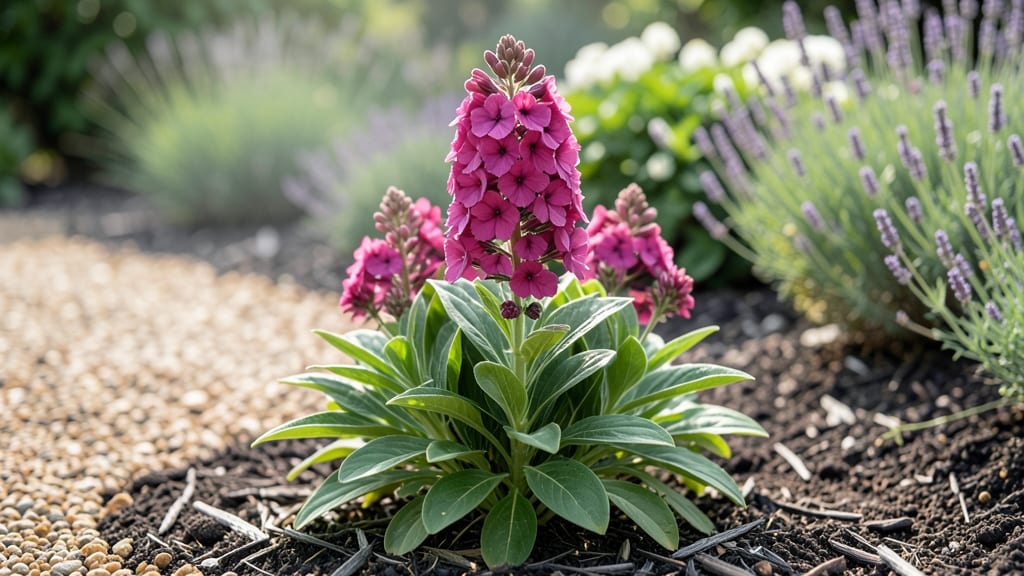
Phlox is a perennial in most climates, thriving in USDA zones 3-9, though varieties like garden phlox die back to the ground annually while hardy types like creeping phlox return yearly with proper care and seasonal pruning.
Phlox's perennial status depends on the variety and your climate zone. 🌱 Garden phlox (the showy summer bloomer) goes dormant in winter, sending up fresh growth each spring, while creeping phlox spreads aggressively and often survives winter with minimal protection.
The key difference lies in their growth habits—taller garden phlox needs staking and regular deadheading to rebloom, while low-growing creeping phlox thrives in sunny spots with minimal intervention.
I've found that in colder zones (like 3-4), adding a thick layer of mulch helps protect the roots during harsh winters, ensuring they return stronger each spring.
What surprises many gardeners is how some phlox varieties act like annuals in colder regions. This happens when winter temperatures drop below what the plant can tolerate, causing the foliage to freeze back completely. The good news?
With proper winter care—like cutting back dead stems and insulating the base—even these varieties can bounce back reliably. The secret to maximizing phlox's perennial potential lies in understanding your specific variety's hardiness and matching it to your local growing conditions.
💡 In This Article
- Phlox Perennial Types and Cold-Hardiness Zones
- Reblooming Phlox: Pruning and Care for Year-Round Growth
Phlox perennial types and cold-hardiness zones
Phlox comes in three main perennial varieties, each with distinct cold-hardiness traits. Garden phlox (Phlox paniculata), the classic summer bloomer, thrives in USDA zones 4-8 but often dies back to the ground in winter, only to regrow from its root system.
Creeping phlox (Phlox subulata), with its low-growing, mat-forming habit, handles zones 3-8, while woodland phlox (Phlox divaricata) prefers zones 4-8 and thrives in partial shade. The key difference lies in their root systems—garden phlox stores energy underground in thick rhizomes, while creeping phlox has fibrous roots that spread aggressively. 🌿
Winter dormancy is where these plants show their resilience. Garden phlox enters a deep rest period when temperatures drop below 20°F, with its foliage turning brown and crispy. However, the crown (where new growth emerges) remains alive just below the soil surface.
Creeping phlox, on the other hand, often stays green longer in milder winters but can handle -30°F with proper mulching. The secret to survival is protecting the crown from freezing—this is why a 4-inch layer of mulch (like straw or shredded leaves) makes all the difference in harsh winters.
Zone-specific care is crucial for maximizing phlox's perennial performance. In zones 3-4, gardeners should cut back dead stems in late winter to prevent disease, while in zones 5-8, a lighter pruning in early spring suffices.
The most critical factor is soil drainage—phlox roots rot if water pools around them during winter thaw. I've seen creeping phlox thrive in zone 3 gardens with just a 6-inch mulch layer**, while garden phlox in zone 8 needs only minimal protection.
The key is matching the variety to your climate and preparing the soil properly before winter.
Some phlox varieties act like annuals in colder regions because gardeners don't account for their specific needs. For example, garden phlox planted in zone 2 without winter protection may freeze completely, while creeping phlox in the same zone often survives with just a thick mulch layer.
The difference comes down to root hardiness—creeping phlox's fibrous network spreads energy storage across a wider area, making it more resilient. This is why choosing the right variety for your zone is the first step to ensuring perennial performance. 💫
Here's how to match phlox types to your zone:
- Zones 3-4: Creeping phlox (most reliable) + 6-inch mulch for garden phlox
- Zones 5-6: All varieties thrive with 3-inch mulch and minimal winter prep
- Zones 7-8: Garden phlox may need no winter care, but deadheading extends blooms
- Zones 9+: Phlox may struggle with summer heat—plant in partial shade
The most common mistake is assuming all phlox behave the same. Garden phlox needs regular deadheading to rebloom, while creeping phlox spreads aggressively and should be divided every 3-4 years to prevent overcrowding. Understanding these differences is what separates a one-year wonder from a reliable perennial garden staple. The right care transforms phlox from a seasonal splash of color into a year-round foundation plant. ✨