
Flowers
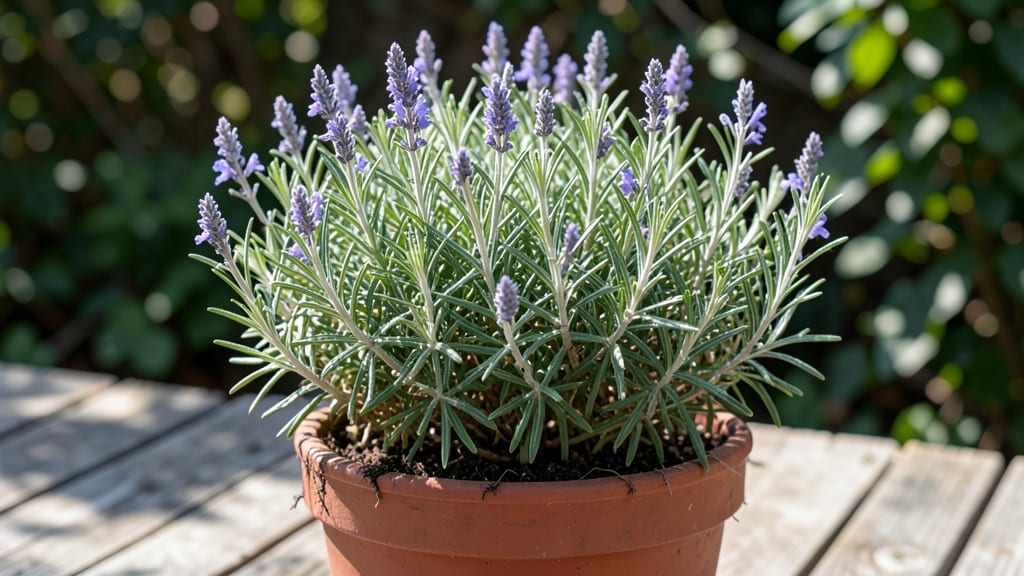
Rosemary is a perennial in warm climates but often treated as an annual in colder regions, as it struggles to survive freezing temperatures below 20°F without protection.
Botanically speaking, rosemary is classified as a woody perennial, meaning it can regrow from its root system year after year in ideal conditions. 🌿 Native to the Mediterranean, it thrives in USDA hardiness zones 7-10, where winters rarely drop below 20°F.
In colder zones (like 5-6), gardeners often replant each spring because the plant's tender stems can't withstand prolonged frost. Interestingly, some hardier cultivars like 'Arp' rosemary can survive slightly colder temperatures, but most varieties need protection or indoor care during winter months.
What sets rosemary apart from true annuals is its potential for long-term growth—given the right conditions, a single plant can live for decades.
The key difference lies in how gardeners manage it: in frost-free climates, it grows as a shrubby perennial, while in colder regions, it's often grown as a tender perennial that requires special care during winter.
💡 In This Article
- Rosemary’s Perennial Growth Cycle Explained
- How to Overwinter Rosemary in Cold Climates
Rosemary’s perennial growth cycle explained
Rosemary is a woody perennial because its stems harden over time, forming a semi-woody structure that can persist for years. Unlike herbaceous perennials like basil, which die back to the ground each winter, rosemary retains its woody framework, allowing it to regrow from the base in spring.
This hardiness is rooted in its Mediterranean origins, where it evolved to survive hot, dry summers and mild winters. The plant's growth habit is semi-evergreen—most varieties keep their needle-like leaves year-round in frost-free zones, though they may drop some foliage in winter.
The plant's hardiness varies dramatically by cultivar. Upright varieties like 'Tuscan Blue' have sturdier stems that can better withstand light frosts (25°F), while prostrate types like 'Prostratus' are more tender and struggle below 20°F.
The key difference lies in their growth structure: upright rosemary develops a stronger central stem, while trailing varieties have thinner, more vulnerable branches. In ideal conditions (zones 7-10), a single rosemary plant can live for 10-20 years, producing new growth each spring from its woody base.
What makes rosemary's perennial nature fascinating is its regrowth mechanism. Even if the top growth dies back in cold snaps, the plant often survives below ground. The roots contain meristematic tissue—specialized cells that can differentiate into new stems and leaves when conditions improve.
This is why you'll sometimes see rosemary "reappear" in spring after what seemed like total winter kill. The plant's ability to regenerate from old wood sets it apart from many other herbs.
In colder climates, rosemary's perennial status becomes more theoretical. While the roots may survive, the above-ground growth often succumbs to frost. This is why gardeners in zones 5-6 frequently treat it as an annual—replanting each spring rather than attempting winter protection.
The plant's cold sensitivity stems from its Mediterranean adaptation: it's evolved to thrive in climates where winter temperatures rarely drop below 30°F, making sudden freezes particularly damaging.
Interestingly, rosemary's growth cycle includes a dormancy phase during winter in colder regions. The plant conserves energy by slowing metabolic processes, which helps it survive until warmer temperatures return.
This dormancy isn't true hibernation like bulbs experience, but rather a slowed growth state where the plant maintains just enough activity to keep essential functions alive. The aromatic oils in rosemary leaves actually increase slightly during this period, concentrating the plant's signature flavor.
For gardeners in marginal zones (6-7), the choice between treating rosemary as a perennial or annual depends on several factors: the specific cultivar, local microclimate, and willingness to provide winter protection.
Some gardeners successfully overwinter rosemary by potting it and moving it to a sheltered location, while others prefer to replant each year for convenience.
The plant's ability to regenerate from old wood makes it more resilient than many might assume, but its true perennial potential only fully realizes in frost-free environments.