
Flowers
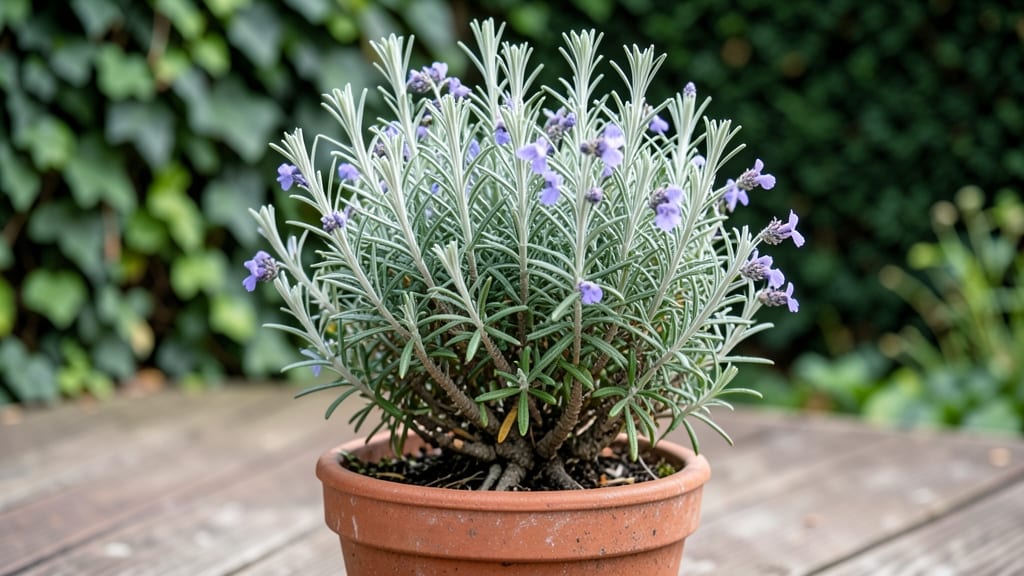
Rosemary is classified as a perennial herb in warm climates, where it grows continuously with proper care, but functions as a tender perennial in colder regions, dying back each winter only to regrow from its hardy woody base.
This woody evergreen shrub thrives as a true perennial in USDA hardiness zones 7 through 10, where it can live for decades with minimal care. 🌿 The key to its longevity lies in its woody stems—unlike many herbaceous perennials, rosemary retains its structure year-round, making it more resilient.
In colder zones, gardeners often treat it as an annual or use overwintering techniques to preserve the plant through freezing temperatures, as the roots and lower stems remain dormant but viable until spring.
The evergreen nature of rosemary sets it apart from traditional perennials that die back to the ground each winter. Its needle-like leaves stay green all year in warm climates, providing both ornamental value and culinary benefits. This hardy characteristic makes rosemary a favorite among gardeners seeking low-maintenance yet productive herbs.
💡 In This Article
- Rosemary’s Perennial Growth Cycle Explained
- How to Overwinter Rosemary in Cold Climates
Rosemary’s perennial growth cycle explained
Rosemary's perennial classification stems from its woody, evergreen nature, which distinguishes it from herbaceous perennials that die back to the ground annually. Botanically, it belongs to the Lamiaceae family and forms a hardy woody base that persists through adverse conditions.
In USDA hardiness zones 7-10, where winter temperatures rarely drop below 10°F (-12°C), rosemary thrives as a true perennial, growing continuously with proper sunlight (6-8 hours daily) and well-draining soil.
The plant's evergreen foliage remains vibrant year-round in warm climates, thanks to its thick, leathery leaves that conserve moisture. This contrasts with traditional perennials like lavender, which lose foliage in winter but regrow from the root crown.
Rosemary's woody stems contain vascular tissues that transport nutrients even during dormancy, allowing it to recover quickly after pruning or cold snaps. In colder zones (below zone 7), these stems become vulnerable to frost damage, which is why gardeners often treat it as a tender perennial.
What makes rosemary unique is its ability to regenerate from its base even after severe dieback. The root system and lower stems remain dormant but viable through winter, ready to sprout new growth once temperatures rise above 40°F (4°C).
This resilience explains why many gardeners successfully overwinter potted rosemary indoors or use protective techniques to preserve the plant through freezing months. Without these measures, the above-ground portions may perish, but the root system often survives to regrow in spring.
Consider the difference between rosemary's growth cycle and that of basil, which is an annual. While basil completes its entire life cycle in one season, rosemary's woody structure allows it to persist for decades with minimal care.
The plant's ability to photosynthesize year-round in warm climates means it continues producing new growth even during winter months, unlike many temperate perennials that enter full dormancy. This continuous growth contributes to its strong aroma and flavor, which develop more intensely over time.
In frost-prone areas, rosemary's perennial nature becomes more apparent during spring regrowth. The new shoots emerge from the base with remarkable vigor, often reaching 12-18 inches in a single growing season.
This rapid recovery demonstrates why rosemary is classified as a perennial—its biological structure is designed for long-term survival, even if the above-ground portions require protection during harsh winters. The key to maintaining its perennial status lies in protecting this woody base during cold periods.
For gardeners in colder climates, understanding this growth cycle is crucial. The plant's ability to regenerate from its base means that even if the tops freeze back, the root system often remains intact.
This is why many gardeners successfully overwinter rosemary by cutting back the plant and moving it to a sheltered location, allowing it to regrow vigorously in spring. The woody stems contain stored nutrients that fuel this regrowth, making rosemary more resilient than many other herbs.