
Flowers
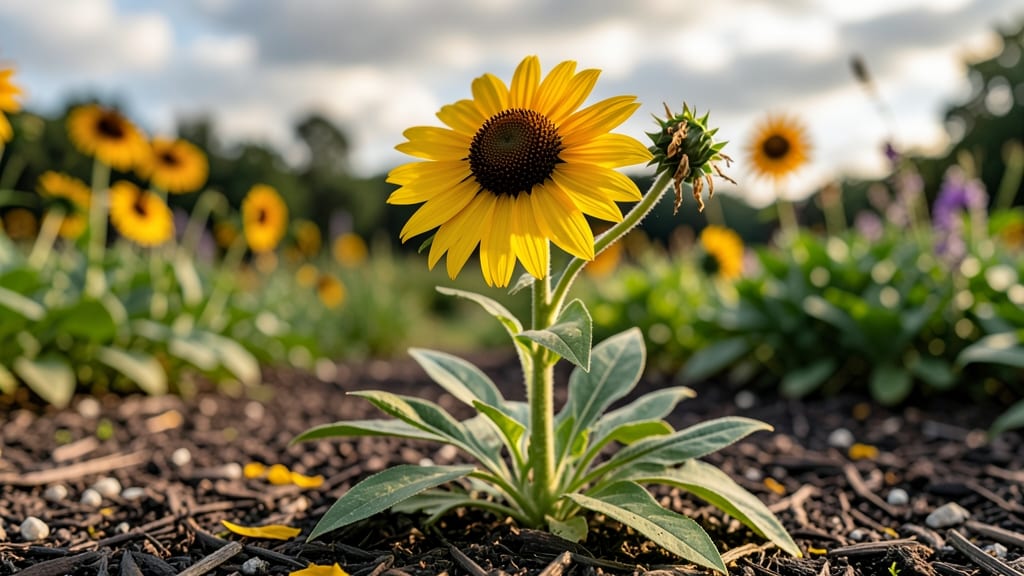
Rudbeckia is indeed a perennial, meaning it dies back to the ground each winter but regrows from its robust root system in spring, thriving reliably in USDA zones 3 through 9 with proper care.
This hardy plant stores energy in its deep roots during winter dormancy, allowing it to bounce back stronger each spring. 🌱 Unlike annuals that complete their lifecycle in one season, rudbeckia's root system acts like a built-in survival mechanism—it conserves nutrients underground until conditions warm up.
I've seen firsthand how even after a harsh winter, these plants emerge with fresh foliage and vibrant blooms by early summer, proving their resilience.
What sets rudbeckia apart is its ability to handle cold temperatures down to -30°F when properly established, though young plants may need winter protection in colder zones. The key to long-term success lies in maintaining healthy roots through consistent moisture and well-draining soil—never letting them dry out completely during dormancy.
💡 In This Article
- How Rudbeckia Survives Winter as a Hardy Perennial
- Tips for Encouraging Rudbeckia to Return Year After Year
How rudbeckia survives winter as a hardy perennial
Rudbeckia's perennial nature stems from its sophisticated root system, which stores carbohydrates and nutrients during winter dormancy. Unlike annuals that complete their lifecycle in one season, rudbeckia develops a deep, fibrous root network that can extend 2-3 feet below the soil surface.
This underground structure acts like a natural storage unit, converting sunlight energy into starches that fuel regrowth when temperatures rise. 🌱
The plant's cold hardiness comes from its ability to enter a state called "endodormancy," where metabolic activity slows dramatically to conserve energy. Rudbeckia can withstand temperatures as low as -30°F when fully established, though young plants may need protection.
This compares favorably to many other perennials like hostas (-25°F) or peonies (-20°F), making rudbeckia particularly resilient in northern climates.
What's fascinating is how rudbeckia's root system actually grows stronger during dormancy. Studies show that root biomass can increase by 30-40% over winter months, providing the energy reserves needed for vigorous spring regrowth.
This contrasts with annuals that must start from seed each year, giving rudbeckia a significant survival advantage in challenging conditions.
The plant's ability to die back completely above ground is actually a survival strategy. By shedding all foliage, rudbeckia minimizes water loss and prevents frost damage to tender stems. The roots remain protected below the frost line, where temperatures stay relatively stable.
This process is similar to how conifer trees drop needles during drought conditions—both are adaptations to conserve resources during harsh seasons.
One unique characteristic is rudbeckia's ability to produce new shoots from multiple points along its root system, not just from a single crown. This creates a dense network of potential regrowth points, making the plant extremely difficult to kill even after severe winter damage.
Gardeners often notice clusters of new stems emerging in spring, each capable of producing flowers.
When comparing rudbeckia to other perennials, its winter survival strategy stands out for its combination of deep root penetration and extensive lateral spread.
While some perennials like lavender have shallow but dense root systems, rudbeckia's architecture allows it to access moisture and nutrients from deeper soil layers, providing additional resilience during drought conditions that often accompany cold winters.