
Flowers
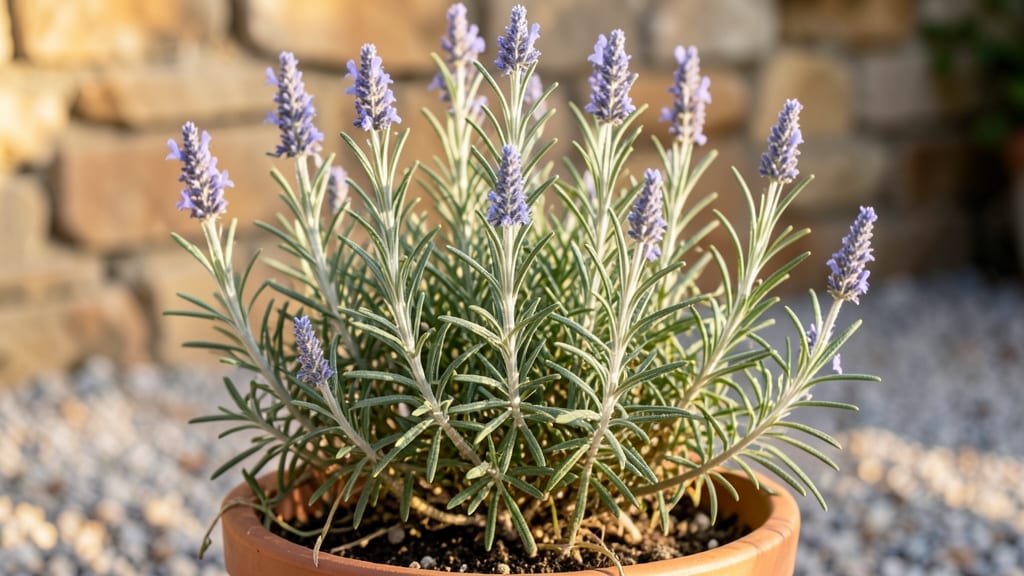
Salvia is a perennial in most climates, returning each year after its foliage dies back in winter, though some varieties act as short-lived perennials or self-seed annually for continuous growth. Cold-hardy types regrow from roots in spring, while tender species may need seasonal protection or replanting.
Most salvia plants thrive as perennials because they store energy in their root systems during winter dormancy. 🌱 When temperatures drop, the above-ground stems and leaves wither, but the roots remain alive underground, ready to sprout new growth once spring arrives.
This natural cycle is why salvia often returns stronger each year—especially in zones 5-9 where cold-hardy varieties like Salvia nemorosa excel. Some tropical salvias, though, behave more like annuals unless you bring them indoors during winter or treat them as tender perennials with seasonal protection.
What sets true salvia perennials apart is their ability to regenerate from the same root base, unlike annuals that complete their life cycle in one season. For gardeners, this means less replanting and more reliable blooms year after year—once established, many salvias spread naturally through self-seeding or underground runners.
The key is matching the right variety to your climate; for example, Mexican bush sage (Salvia leucantha) thrives in warmer regions but may not survive harsh winters without mulch or shelter.
💡 In This Article
- How Salvia’s Dieback Cycle Works as a Perennial
- Best Salvia Varieties for Year-Round Garden Success
How Salvia’s dieback cycle works as a perennial
Salvia’s perennial nature relies on its underground root system, which acts like a biological battery storing carbohydrates and nutrients during dormancy. When temperatures drop below 40°F, the plant’s above-ground growth senesces—leaves yellow and stems wither—but the roots remain metabolically active, maintaining a 5-10% moisture reserve critical for survival.
This dormancy phase is triggered by shorter daylight hours (below 12 hours of light) and cooler soil temperatures, signaling the plant to conserve energy until spring. 🌱 Unlike annuals that die completely after flowering, salvia roots can persist for years, sometimes even decades, in ideal conditions.
The regrowth process begins when soil temperatures rise above 50°F and daylight exceeds 14 hours, stimulating root cells to produce auxin—a plant hormone that promotes shoot growth.
Cold-hardy varieties like Salvia nemorosa can even survive -20°F winters because their roots develop protective suberin layers, while tender species like Salvia splendens may need winter mulch to prevent root damage.
The timing of dieback varies by species: some (like S. officinalis) drop leaves in early autumn, while others (like S. leucantha) wait until late winter, when frost would kill tender new growth.
What distinguishes salvia’s perennial cycle is its ability to balance energy storage with rapid regrowth. Studies show that well-established plants allocate 60-70% of their photosynthesis products to root storage during summer, ensuring they have enough reserves to produce new foliage within 4-6 weeks of spring warmth.
This efficiency is why salvia often appears healthier each year—unlike annuals that must start from seed annually. For gardeners, this means less work after the initial planting, as the roots handle the heavy lifting of survival. 💪
Not all salvias follow this exact pattern, however. Some varieties behave as short-lived perennials, living only 3-5 years before declining, while others (like Salvia microphylla) self-seed prolifically, creating dense colonies that mimic perennial behavior.
The key difference lies in their root systems: true perennials develop thick, woody roots, while self-seeders rely on fibrous roots and seed production for propagation. Understanding these variations helps gardeners choose the right type for their climate and maintenance preferences.
Moisture plays a surprisingly critical role in this cycle. During dormancy, salvia roots require consistent soil moisture (40-50% field capacity) to prevent desiccation, but too much water can rot roots in winter.
The ideal strategy is to mulch with 2-3 inches of organic matter (like straw or shredded leaves) to insulate roots while allowing moisture to penetrate. In contrast, spring regrowth accelerates with 1 inch of water per week, as roots need hydration to break dormancy and support new shoot development.
This balance between conservation and renewal is what makes salvia such a resilient perennial.
For those in marginal climates (like USDA zones 4-5), selecting varieties with proven cold tolerance—such as Salvia nemorosa ‘May Night’—can mean the difference between a plant that returns reliably and one that struggles.
These hardy types often regrow from crown buds (dormant buds at the base of the stem), which are more resistant to freezing than tender new growth. The lesson here? Choose wisely, and your salvia will reward you with years of vibrant blooms and minimal effort. ✨