
Plants
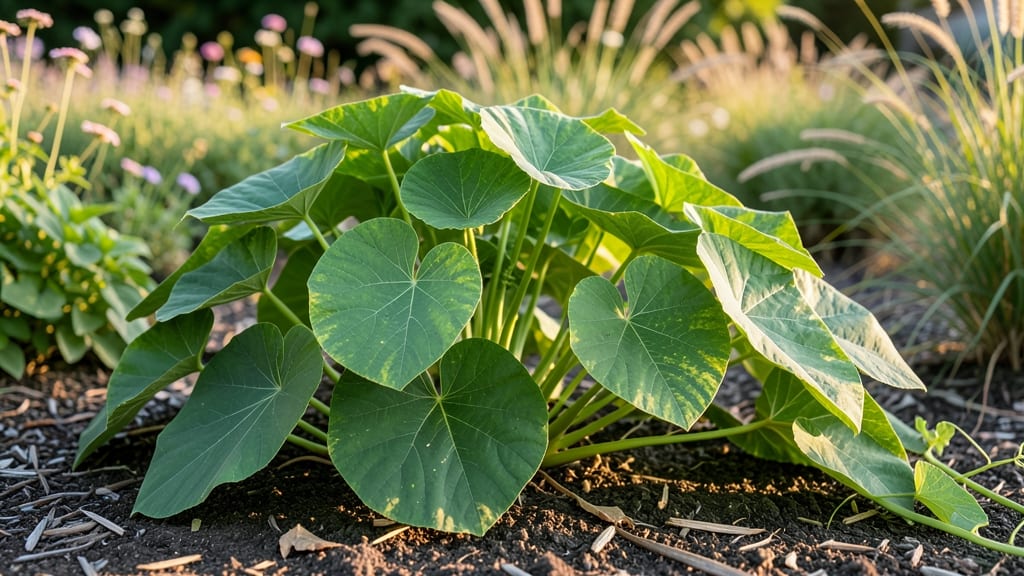
Sweet potato vine is a perennial in warm climates (USDA zones 9-11) but behaves like an annual in colder regions because its above-ground growth dies back with frost. The plant's hardy root system can regrow if properly protected, though most gardeners replant each season.
This plant's confusing lifespan comes down to its native tropical origins. 🌱 While its tuberous roots can survive underground in mild winters, the semi-woody stems freeze without protection. Unlike true perennials like hostas, sweet potato vine prioritizes energy storage in its roots rather than cold resistance.
In zones 5-8, gardeners often treat it as an annual because the regrowth process requires extra effort—like cutting propagation or overwintering in containers. The key difference? True perennials regrow from their base each spring, while sweet potato vine needs its roots to kickstart new growth.
Here's the practical takeaway: if you're in a colder zone, don't assume it's dead when stems turn brown. The roots might still be viable!
I've had success digging up roots in late fall, storing them in peat moss, and replanting in spring—though it takes about 6-8 weeks for new shoots to emerge. For container growing, simply move pots indoors before frost hits and provide bright light to maintain growth year-round.
💡 In This Article
- Why Sweet Potato Vine Dies Back Annually
- How to Overwinter Sweet Potato Vine in Cold Climates
Why sweet potato vine dies back annually
Sweet potato vine's annual dieback stems from its tropical origins and specialized growth strategy. Unlike true perennials, it invests energy in developing thick, tuberous roots rather than cold-hardy stems. These roots can store enough starch to regenerate new growth when conditions improve—typically in spring.
The above-ground stems, though semi-woody, lack the protective adaptations of hardy perennials like hostas, which have thick rhizomes or insulating leaf litter.
The critical temperature threshold is 28°F—when frost hits, the stems become crispy and brown within days. What's fascinating is how the roots respond: they enter a dormant state, halting metabolic activity to preserve energy.
This dormancy mechanism is similar to how sweet potatoes (its edible cousin) survive in the ground through winter. The difference? Sweet potato vine's roots are smaller (1-2 inches diameter) and less insulated than true tuber crops.
What most gardeners miss is that the plant's lifecycle mirrors that of bulbs like dahlias. The roots contain all the genetic information needed to regrow, but they require specific conditions: 60-70°F soil temperatures and consistent moisture.
In zones 9-11, these conditions exist naturally year-round, allowing continuous growth. In colder zones, the roots lie dormant until spring warmth triggers new shoots—usually within 2-3 weeks after soil reaches 55°F.
The confusion arises from comparing sweet potato vine to true perennials. While hostas regrow from their crowns each spring, sweet potato vine needs its roots to "remember" how to grow.
This is why you'll often see it treated as an annual—it's not as immediately obvious that the roots are still alive. The plant's natural strategy prioritizes energy storage over cold resistance, a trade-off that makes sense in its native tropical environments.
Here's a key visual difference: true perennials show green shoots emerging from the ground level, while sweet potato vine sends up new growth from the root zone, often 1-3 inches below soil. This subtle distinction explains why gardeners might think the plant is dead when only the stems have frozen.
The roots remain viable for 6-12 months if kept dry and cool (40-50°F).
Consider this: in Florida's USDA zone 10, sweet potato vine grows continuously, producing new vines year-round with minimal care. But in zone 6, the same plant would need protection to survive winter.
This geographic sensitivity explains why it's classified as a perennial in warm climates but treated as annual in colder regions. 🌱