
Pests and Diseases
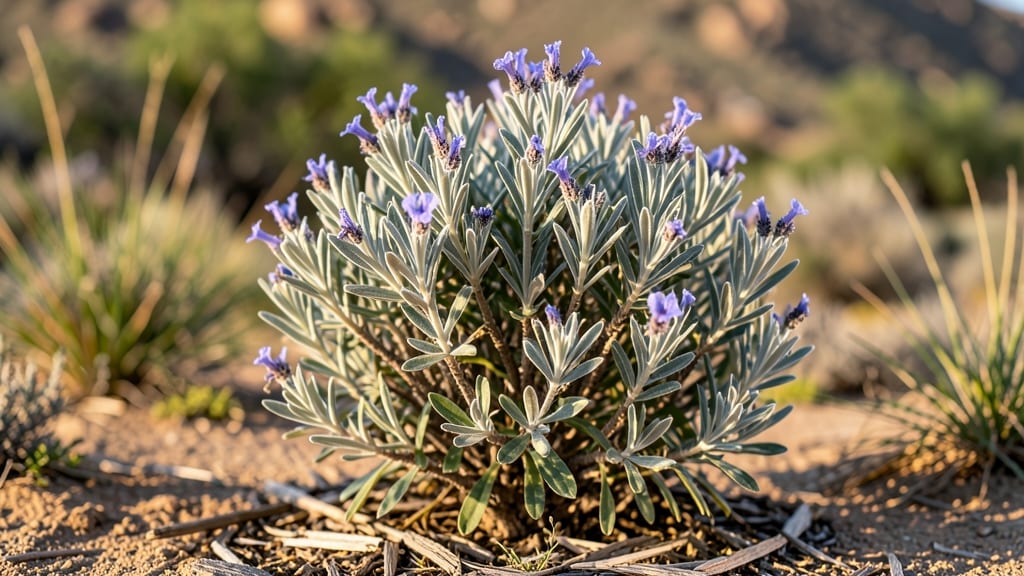
Yes, Texas sage is a perennial that regrows each spring from its root system after cold weather kills back its woody stems. Most varieties handle temperatures down to 0°F (-18°C) with proper winter care.
This hardy shrub's perennial nature means it won't die completely each winter—instead, it enters dormancy. 🌱 The roots store energy during warmer months, allowing new growth to emerge once temperatures rise.
What sets Texas sage apart is its ability to bounce back from what looks like total dieback, unlike annuals that must be replanted yearly.
Cold hardiness varies slightly between cultivars, with some handling -10°F (-23°C) in sheltered conditions. Proper winter prep—like mulching and avoiding wet soil—helps protect the roots from freeze damage, ensuring that spring's regrowth is robust and healthy.
💡 In This Article
- Understanding Texas Sage’s Perennial Dieback Cycle
- Maximizing Texas Sage Cold-Hardiness in Your Garden
Understanding Texas sage’s perennial dieback cycle
Texas sage (Leucophyllum frutescens) enters its famous dieback cycle when temperatures drop below 25°F (-4°C). Unlike annuals that die completely, this shrub’s roots remain alive underground, storing carbohydrates like starch and sugars in specialized root tissues.
These stored reserves fuel new growth once spring temperatures consistently rise above 50°F (10°C), typically between late March and April in most growing zones.
The above-ground stems die back because they contain less moisture and more woody tissue, making them vulnerable to freezing. What appears as total death is actually a survival strategy—similar to how deciduous trees shed leaves in winter.
The roots, however, stay active in dormancy, maintaining just enough metabolic function to prevent complete tissue breakdown. This process is called cold acclimation, where cells increase their cold tolerance by producing protective proteins and adjusting membrane composition.
What makes Texas sage unique is its ability to regrow from the base rather than from seed. New shoots emerge from the crown (where roots meet stems), creating a dense, bushy regrowth pattern. This contrasts with annuals like marigolds, which must rely on seeds for the next season’s growth.
The regrowth phase can take 4-6 weeks, depending on soil warmth and moisture—warmer microclimates near south-facing walls accelerate this process by 20-30% compared to exposed areas.
One common misconception is that Texas sage’s dieback indicates plant death. In reality, the shrub’s roots can remain viable for 2-3 years even if stems stay brown, though vigor declines without proper winter care.
The key biological trigger is photoperiodism—day length changes in late fall signal the plant to prepare for dormancy, while rising temperatures in spring reactivate growth hormones like gibberellins in the roots.
For gardeners, this cycle explains why Texas sage often looks "dead" in winter but rebounds spectacularly after rain. The roots absorb moisture quickly in spring, swelling with water that triggers cell division in dormant buds.
This is why consistent watering after dieback is critical—roots need 1-2 inches of moisture per week to rebuild energy reserves for the next growing season.
Consider this comparison: While annuals like zinnias complete their lifecycle in one season, Texas sage’s perennial nature means it can live for 10-15 years or more with proper care. The trade-off is its dramatic seasonal transformation, which many gardeners appreciate for its seasonal interest and drought tolerance once established.