
Planting
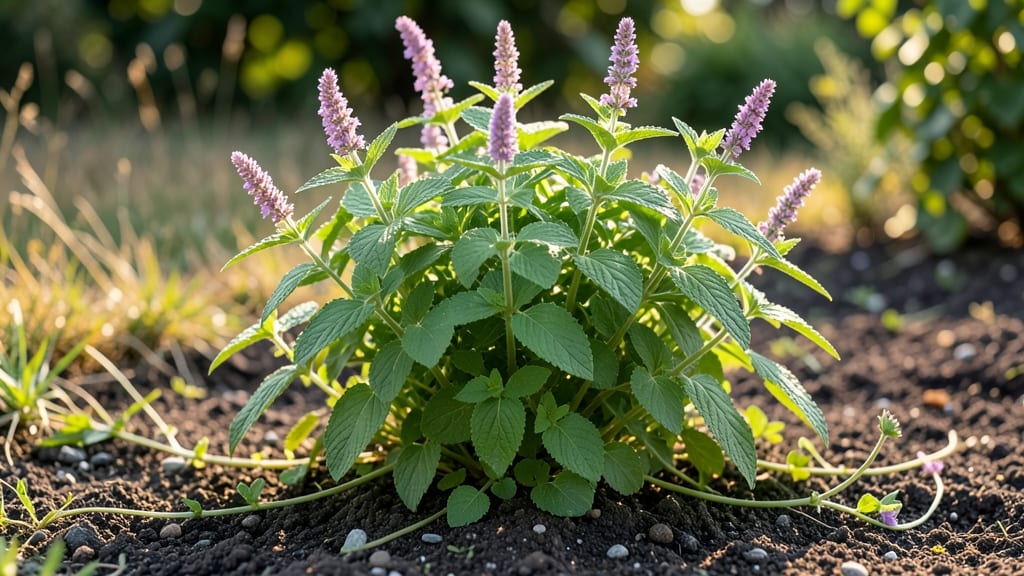
The mint plant is a perennial in USDA hardiness zones 5-9, returning each year from its robust root system. While it may die back in colder regions, its underground rhizomes ensure regrowth when spring arrives. Strategic winter care can preserve it even in marginal climates.
The mint plant's perennial nature comes from its aggressive underground stems called rhizomes, which store energy and survive winter dormancy. 🌱 Unlike annuals that complete their life cycle in one season, mint's root system allows it to rebound year after year—even after frost kills the above-ground foliage.
This makes it ideal for gardeners seeking low-maintenance, long-term flavor in herb gardens, though its invasiveness requires containment strategies.
In cooler regions outside zones 5-9, gardeners can extend mint's lifespan through simple overwintering techniques like heavy mulching or growing it in containers that can be moved indoors.
The plant's ability to regenerate from just a small piece of root makes it remarkably resilient, though its cold tolerance varies by specific variety—spearmint and peppermint being the hardiest types.
💡 In This Article
- Mint Plant Perennial Traits and Cold-Hardiness Zones
- How to Overwinter Mint in Cold Climates
Mint plant perennial traits and cold-hardiness zones
The mint plant's perennial status stems from its specialized underground growth system called rhizomes. These horizontal stems store carbohydrates and nutrients, allowing the plant to survive harsh conditions.
Unlike annuals that complete their lifecycle in one season, mint's rhizomes remain dormant during winter but retain the ability to regenerate when temperatures rise above 40°F. This underground network can extend up to 3 feet in all directions, creating a dense root zone that resists freezing.
USDA hardiness zones 5-9 represent the sweet spot for mint's natural cold tolerance, where winter temperatures rarely drop below -20°F. In these zones, mint typically enters dormancy when nighttime temperatures consistently fall below 50°F, with the foliage dying back but the roots remaining active.
The plant's ability to survive these conditions comes from its high sugar content in the rhizomes, which acts as a natural antifreeze, preventing cellular damage during freeze-thaw cycles. 🌱
What sets mint apart from other perennials is its aggressive regrowth pattern. Even when exposed to temperatures as low as 10°F for short periods, the rhizomes can remain viable. This is why you'll often see mint reappearing in spring even after seemingly complete winter kill of the above-ground growth.
The plant's cold hardiness varies slightly between varieties, with peppermint generally handling colder conditions better than spearmint due to its slightly higher sugar content in the roots.
In marginal zones (4-5), mint's survival depends on soil insulation and snow cover. The plant's roots can tolerate brief exposures to 0°F temperatures, but prolonged periods below 10°F increase mortality risk.
This is why gardeners in these areas often use 4-6 inches of organic mulch or grow mint in containers that can be buried in insulated beds. The key factor is maintaining soil temperatures above freezing, which preserves the rhizomes' viability.
Interestingly, mint's perennial nature extends beyond its cold tolerance. Its ability to propagate from even small root fragments means it can regenerate from accidental fragments left in the soil.
This regenerative capacity makes mint one of the most resilient perennials, though it also explains why it's considered invasive in many regions. The plant's growth habit ensures it will return each year unless actively controlled.
For gardeners pushing the limits in zone 4 or colder, understanding mint's dormancy cycle is crucial. The plant typically begins active growth when soil temperatures reach 55°F, with new shoots emerging from the rhizomes.
This timing explains why late spring plantings often fail—mint needs established roots to survive winter, making early fall planting the optimal strategy for colder climates. 💫