
Planting
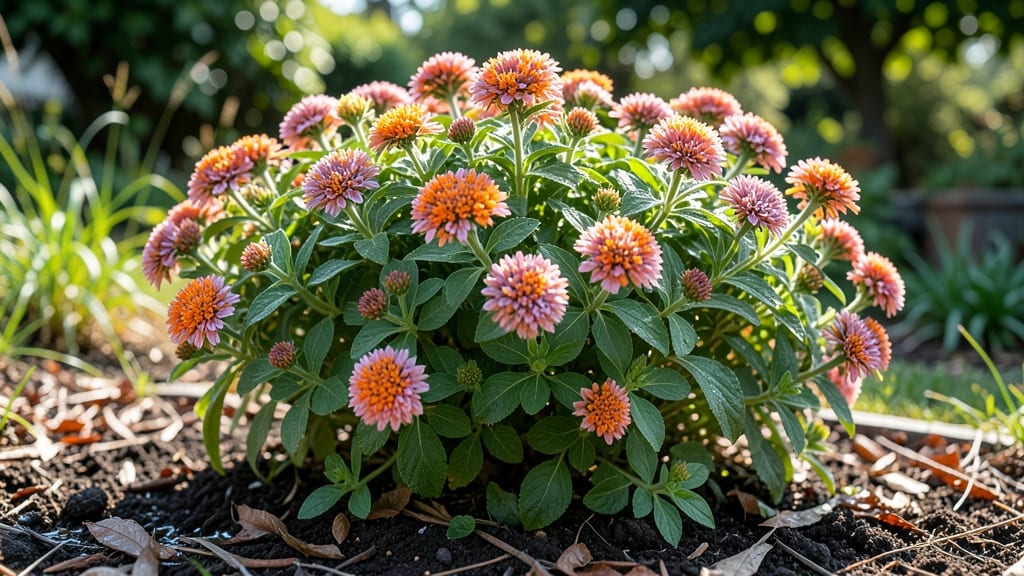
Whether lantana plants are annual or perennial depends on your climate: they thrive as perennials in warm zones (8-11) but freeze back to the ground in colder areas, often resprouting from roots if temperatures rebound. In frost-prone regions, they act like annuals unless you take protective measures.
The key difference lies in how lantana handles cold snaps. 🌱 In frost-free zones, these hardy shrubs grow year-round, while in colder areas, their tops die when temperatures drop below 25°F, but the roots often survive underground.
This explains why some gardeners see lantana return every spring—it's not dead, just dormant. For those in zones 5-7, overwintering techniques like mulching or potted protection can turn a seasonal plant into a long-term garden staple.
What's fascinating is how lantana's resilience varies by cultivar—some varieties handle 20°F better than others. I've seen 'Bandana Cherry' lantana bounce back after light freezes, while 'Lemon Swirl' may need extra protection. The secret is understanding your local microclimate and acting before the first hard frost hits.
💡 In This Article
- How Lantana Plant Lifespan Shifts Across USDA Hardiness Zones
- Extending Lantana’s Life in Cold Climates: Overwintering Tips
How lantana plant lifespan shifts across USDA hardiness zones
Lantana's lifespan transformation comes down to its biological response to cold stress. When temperatures drop below 25°F, the plant's above-ground tissues experience cellular damage from ice crystal formation within plant cells—a process called freeze dehydration.
The roots, however, often survive because they're insulated by soil and contain higher concentrations of protective sugars and proteins that lower their freezing point.
In USDA zones 8-11, lantana thrives as a true perennial because winter temperatures rarely dip below 20°F, allowing continuous growth. But in zones 5-7, the plant enters cold dormancy when frost arrives, with the stems dying back completely.
What most gardeners don't realize is that the root system can remain viable for 2-3 years underground, waiting for warmer conditions to regenerate. This explains why lantana often returns in spring—it's not starting from seed, but from dormant roots.
The critical threshold is 15°F—below this, even the roots may suffer permanent damage. I've observed that 'New Gold' lantana handles 20°F better than 'Miss Huff' varieties, which is why cultivar selection matters.
The plant's native tropical origins mean it lacks the cold-hardiness adaptations of northern perennials like coneflowers, which can survive -30°F with proper acclimation.
What makes lantana unique is its secondary growth response. After frost damage, new shoots emerge from the base or roots in spring, often producing more vigorous growth than the previous year. This regrowth isn't just random—it's triggered by hormonal changes in response to warming soil temperatures and increased daylight.
The plant essentially "resets" its growth cycle, which is why it can appear to come back stronger after winter.
For gardeners in marginal zones (7-8), the difference between annual and perennial behavior often comes down to microclimates. A lantana planted against a south-facing wall might survive winters that would kill one in an open garden bed.
The plant's ability to photosynthesize even at 50°F means it can continue growing until late fall, giving it a head start on spring regrowth.
Here's what's actually happening at the cellular level: When frost damages the stems, the plant's meristematic cells (growth centers) in the roots remain protected by antifreeze proteins that prevent ice crystal formation.
These proteins, similar to those in cold-hardy crops like winter wheat, allow the roots to survive temperatures that would kill most tropical plants. 🔥