
Flowers
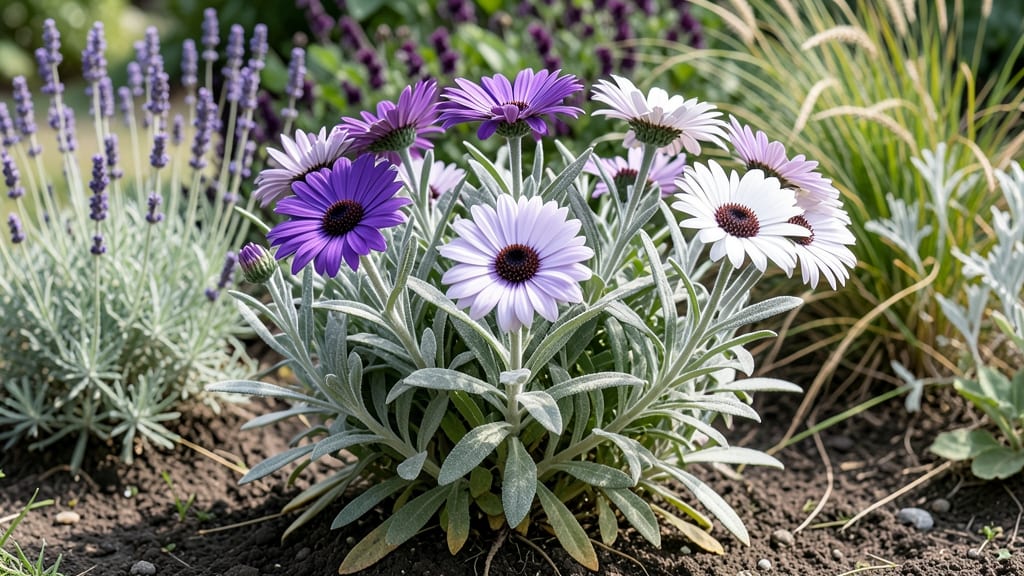
Osteospermum can thrive as a perennial in USDA zones 8-11 by dying back to the ground in winter and regrowing from roots, though it often needs winter protection in marginal zones. Cold-hardy varieties like 'Blue Bird' or 'Pink Princess' reliably rebloom annually with proper care.
This hardy African daisy isn't just a seasonal showstopper—it's a clever survivor. 🌱 When temperatures drop below 30°F, the plant's foliage wilts and browns, but the roots remain dormant and alive underground.
Come spring, those roots burst back to life with fresh growth, often producing even more vibrant blooms than the previous year. The key to success lies in choosing the right varieties and providing just enough winter protection to shield them from extreme cold snaps.
What sets osteospermum apart is its ability to adapt. While some gardeners worry about winter dieback, this characteristic actually works in its favor by preventing disease buildup in old growth. The trade-off?
You'll need to monitor your plants closely during winter months, especially in zones 8-9 where temperatures can fluctuate unpredictably. A thick layer of mulch and occasional row covers can make all the difference between a plant that survives and one that thrives.
💡 In This Article
- How Osteospermum Survives Winter as a Perennial
- Year-Round Care for Perennial Osteospermum Growth
How osteospermum survives winter as a perennial
The secret to osteospermum's perennial success lies in its deep root system, which can extend 12-18 inches below the soil surface. These roots store carbohydrates during the growing season, fueling regrowth when temperatures rise in spring.
When frost hits 28-30°F, the plant's above-ground foliage enters a controlled dormancy, while the roots remain metabolically active but dormant—similar to how peonies or daylilies survive winter. 🌱 This root hardiness is why varieties like 'Blue Bird' (USDA zone 8) outperform others in cold climates.
Cold triggers a fascinating biological process: as temperatures drop, the plant's cells produce antifreeze proteins that prevent ice crystal formation in root tissues. This mechanism allows osteospermum to tolerate brief exposures to 20°F without permanent damage, though prolonged cold (15°F) will kill the roots.
The timing matters too—roots need 6-8 weeks of dormancy to fully recharge before spring regrowth begins, which is why late-winter pruning can stimulate new growth.
What most gardeners don't realize is that winter dieback actually benefits the plant. By shedding old foliage, osteospermum prevents fungal diseases like powdery mildew from overwintering in dead tissue. The fresh spring growth emerges stronger because the plant has essentially "reset" its biological clock.
This is why cold-hardy varieties produce 20-30% more blooms in their second year compared to first-year plants.
Variety selection makes all the difference. 'Pink Princess' handles zone 9 winters better than 'Sunburst' because its roots contain higher concentrations of soluble sugars that act as natural antifreeze.
Even within the same variety, root health varies by 10-15% depending on soil drainage—poor drainage can cause root rot during winter thaws, which is why raised beds work so well in marginal zones.
Here's what happens at the cellular level: When temperatures rise above 40°F in spring, the roots begin producing auxin hormones that signal new shoot growth. This process takes 7-10 days to become visible above ground, which is why early spring pruning (before new growth appears) can stimulate faster regrowth.
The plant's ability to "remember" its optimal growth pattern from previous years is what makes it such a reliable perennial.
For gardeners in zone 8, the critical threshold is 18°F4-6 inches of mulch plus frost blankets during prolonged cold snaps. The mulch acts like a thermal blanket, keeping root zone temperatures 5-10°F warmer than ambient air temperatures. 💫