
Flowers
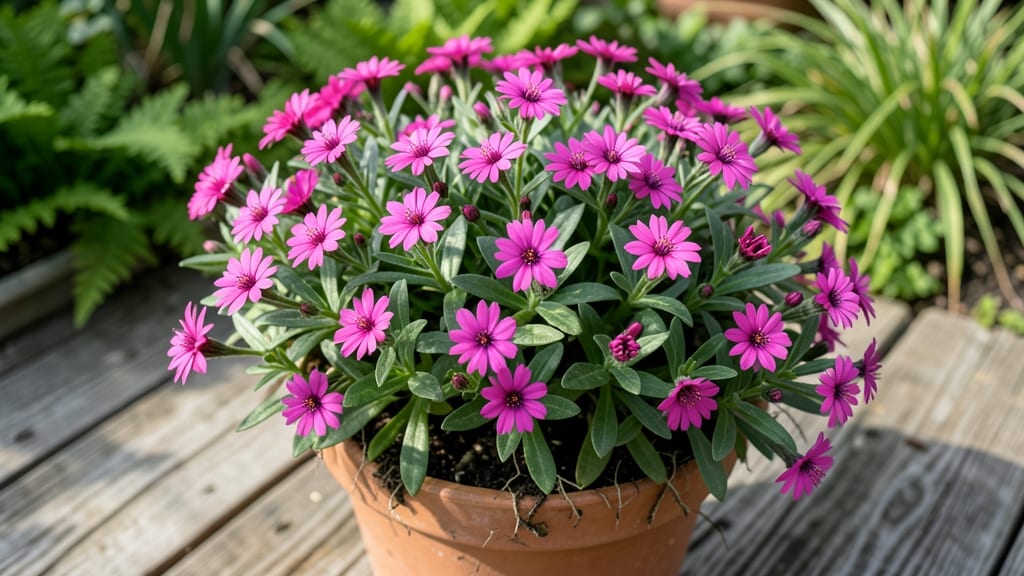
Deciding whether pentas is annual or perennial depends on your climate: in warm zones (USDA 10-11), it thrives as a perennial, but in colder areas, frost kills it back completely each winter—only to regrow from roots or seed when spring arrives.
This dieback cycle isn't a flaw—it's pentas' survival strategy. 🌱 The plant's roots often survive even light freezes, allowing it to bounce back stronger in spring.
I've seen gardeners in Zone 9 keep pentas alive for years by protecting the base with mulch, while those in colder zones treat it as an annual for consistent summer blooms. The key difference?
Temperature tolerance: pentas can't handle prolonged freezing, but it rewards patient gardeners with vibrant regrowth when conditions warm up again.
For those in marginal climates, overwintering indoors or saving seeds becomes a game-changer. The plant's ability to regenerate from roots means you're never truly starting from scratch—just giving it the right conditions to make a comeback. This dual nature explains why pentas is both beloved and misunderstood in gardening circles.
💡 In This Article
- Understanding Pentas’ Perennial vs. Annual Growth Cycle
- How to Overwinter Pentas for Year-Round Growth
Understanding pentas’ perennial vs. annual growth cycle
Pentas, scientifically known as Pentas lanceolata, is classified as a tender perennial—meaning it lives for multiple years in ideal conditions but lacks the hardiness to survive freezing temperatures.
The plant's native tropical and subtropical origins (Africa, Madagascar) explain why it thrives in USDA Hardiness Zones 10-11 as a true perennial. In these warm climates, pentas grows continuously, producing vibrant red, pink, or white flowers year-round with minimal dormancy.
The defining factor in pentas' growth cycle is its root system. While the above-ground foliage dies back when temperatures drop below 32°F (0°C), the roots often survive light freezes, especially when protected by mulch.
This is why gardeners in marginal zones (like Zone 9) can sometimes coax pentas to regrow from the same root base in spring. The plant's ability to regenerate from roots explains why it's technically perennial—even if it behaves like an annual in colder regions.
What happens in colder climates is a dramatic seasonal reset. When frost hits, pentas undergoes complete above-ground dieback, but the roots may remain viable underground.
The key difference from true annuals is that pentas can regrow from these roots or even self-seed in spring, provided soil temperatures reach 60°F (15°C). This regrowth isn't instant—it typically takes 4-6 weeks for new shoots to emerge once warm conditions return.
Here's where climate plays a critical role: In Zones 8 and below, pentas is almost always treated as an annual because the roots rarely survive winter exposure.
The plant's sensitivity to frost makes it vulnerable to cellular damage when temperatures drop below 28°F (-2°C) for more than a few hours. This explains why gardeners in colder regions often start new plants each spring from seed or transplants rather than trying to overwinter existing ones.
The plant's bloom cycle also reveals its perennial tendencies. In warm climates, pentas produces continuous flowers from spring through fall, with brief rest periods. In colder zones, the entire plant shuts down, only to burst back to life when days lengthen and temperatures rise.
This dramatic cycle is why pentas is sometimes called a "seasonal perennial"—it lives multiple years in perfect conditions but resets annually in less forgiving climates.
Consider this comparison: In Zone 10, a pentas plant might grow for 5+ years with proper care, while in Zone 7, it's typically treated as an annual with a 6-8 week growing season. The difference comes down to winter survival—roots vs. complete dieback. 🌿