
Aphids
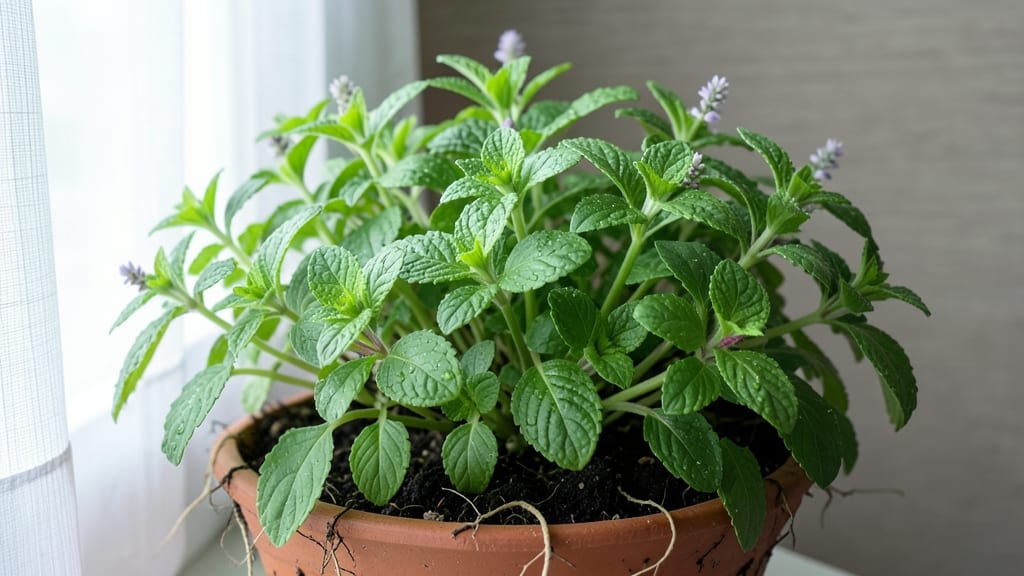
Growing perennial mint herb successfully requires partial shade, consistently moist yet well-drained soil, and strategic spacing to control its aggressive rhizome spread. Plant in spring or early fall, maintain 18-24 inches between plants, and harvest regularly to promote bushier growth while preventing garden takeover.
This hardy herb isn't picky about soil pH—it thrives in ranges from 6.0 to 7.0, though slightly acidic conditions (5.5-6.5) can enhance peppermint's signature intensity. 🌱 The real secret to success lies in moisture management: while mint loves damp soil, it rots in waterlogged conditions.
I've found that mulching with straw not only keeps roots cool but also cuts down on the need for daily watering while suppressing those invasive rhizomes that can overtake flower beds. Varieties like spearmint spread slower than peppermint, making them better choices for container gardening if you're concerned about containment.
For year-round harvests, timing matters most. Cut stems back by one-third after flowering to encourage fresh growth, and never let the plant bolt—this happens when mint flowers prematurely in hot weather, turning leaves bitter.
To preserve your harvest, bundle fresh sprigs and hang them upside down in a dry, dark place for 1-2 weeks, or freeze chopped leaves in ice cube trays with water for easy tea-making later.
The key to preventing overrun is consistent pruning: I trim mine every 4-6 weeks during growing season, which keeps the plant compact while maximizing leaf production.
💡 In This Article
- Optimal Growing Conditions for Perennial Mint
- Year-Round Harvesting and Maintenance Tips
Optimal growing conditions for perennial mint
Perennial mint thrives in partial shade because its leaves contain high concentrations of volatile oils that oxidize quickly when exposed to direct sunlight for more than 4-6 hours daily.
This oxidation causes the leaves to lose their vibrant green color and develop a dull, grayish tint while reducing their aromatic potency. The ideal light exposure mimics its natural habitat—shady forest edges or stream banks where dappled sunlight filters through tree canopies.
Varieties like spearmint tolerate slightly more sun than peppermint, but even they benefit from afternoon shade during peak summer months when temperatures exceed 85°F.
The soil's moisture balance is equally critical—mint roots need consistently damp conditions but will suffocate in waterlogged soil where oxygen deprivation triggers root rot. A well-drained soil mix with 30-50% organic matter (like compost) creates the perfect balance, allowing excess water to drain while retaining enough moisture to prevent wilting.
The rhizomes, which can extend 12-18 inches deep, are particularly sensitive to drought; even brief dry spells cause the plant to go dormant and produce fewer leaves. I've observed that container-grown mint in 10-inch pots dries out 30% faster than in-ground plants due to increased surface area exposure.
Temperature tolerance varies by variety, with peppermint handling cooler climates down to 15°F while spearmint may struggle below 20°F. The sweet spot for growth occurs between 60-75°F, where photosynthesis and oil production peak.
Mint's aggressive spread comes from its horizontal rhizomes that grow 6-12 inches per year—this is why spacing plants 18-24 inches apart is essential. Without containment, a single plant can multiply into a 10-foot-wide patch in just two growing seasons, crowding out neighboring plants.
The rhizomes also store nutrients, allowing mint to regrow quickly after harvesting, which explains why it's classified as a perennial.
Soil pH plays a subtle but important role in flavor development. While mint grows well in neutral soil (6.0-7.0), slightly acidic conditions (5.5-6.5) enhance the menthol content in peppermint, giving it that classic cooling sensation.
To test your soil's pH, use a simple kit that measures the concentration of hydrogen ions—values below 5.5 may require lime amendments, while above 7.5 benefits from sulfur or peat moss additions.
The rhizomes' ability to acidify their immediate environment also explains why mint often thrives in areas where other plants struggle, as it can modify soil chemistry to its advantage.
One often-overlooked factor is wind exposure. While mint can handle light breezes, strong winds (> 10 mph) cause leaf desiccation by increasing transpiration rates. This is why gardeners in exposed areas often see stunted growth or leaf burn.
Planting near windbreaks like shrubs or fences creates a microclimate that maintains humidity around the leaves, preserving their crisp texture and vibrant aroma.
The combination of partial shade, consistent moisture, and wind protection creates the ideal growing environment that transforms mint from a pesky weed into a thriving, productive herb garden staple.
For those growing multiple varieties, remember that cross-pollination can occur—peppermint and watermint, for example, can produce sterile hybrids when planted too close. To prevent this, maintain at least 3 feet of separation between different mint species.
The rhizomes' ability to regenerate from even small fragments also means that any pruned material should be disposed of properly or used immediately, as discarded clippings can easily root and create new plants elsewhere in the garden.