
Planting
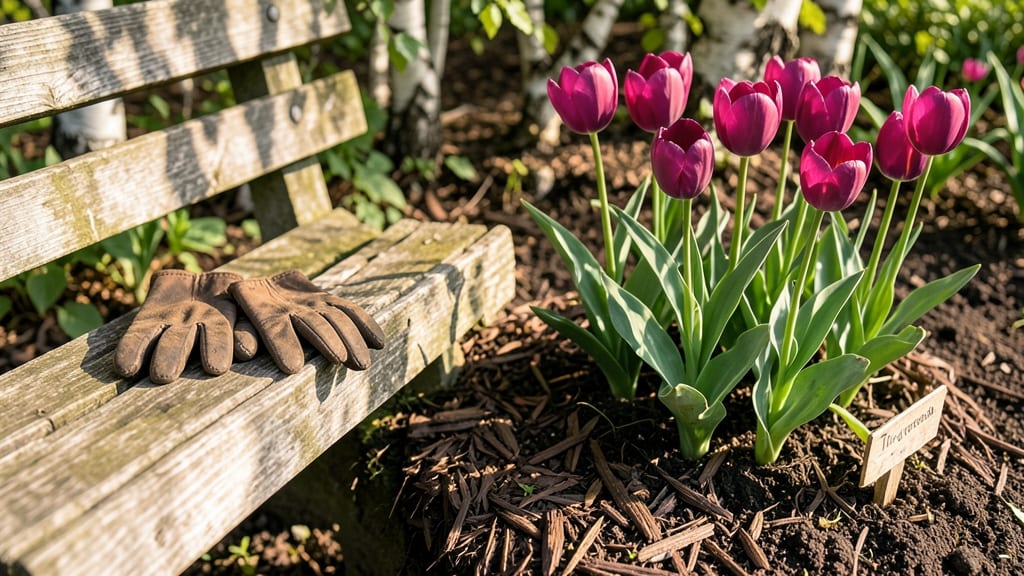
Perennial tulips in Zone 7 return year after year when planted in well-draining soil with full sun exposure, with species like Tulipa clusiana, Tulipa greigii, and Tulipa tarda proving most reliable. Heavy mulching in winter and dividing clumps every 3-4 years are essential for long-term success.
These hardy varieties outperform hybrid tulips because they develop deeper root systems that naturally resist winter dieback. 🌱 Unlike their showy but short-lived cousins, perennial tulips store energy more efficiently, making them ideal for Zone 7's mild winters and occasional frost.
The key is selecting species adapted to your region's specific climate patterns—some even bloom earlier in spring before the heat sets in.
For best results, plant bulbs in fall when soil temperatures drop below 60°F but before ground freezes. Amend heavy clay soils with sand or grit to improve drainage, and use a 3-inch layer of mulch after planting to insulate roots.
I've found that Tulipa tarda varieties often naturalize beautifully, spreading over time to create stunning ground covers.
💡 In This Article
- Why Species Tulips Survive Zone 7 Winters Better Than Hybrid Tulips
- Planting and Care Guide for Perennial Tulips in Zone 7 Gardens
Why species tulips survive Zone 7 winters better than hybrid tulips
The secret to perennial tulips thriving in Zone 7 lies in their deep root systems—species tulips like Tulipa greigii develop roots that extend 12-18 inches below the surface, far deeper than hybrid tulips.
This natural adaptation allows them to access moisture and nutrients even during dry spells, while also insulating against temperature fluctuations. Hybrid tulips, bred primarily for showy blooms, often have shallower roots that become vulnerable to freeze-thaw cycles common in Zone 7 winters.
Species tulips also excel in cold hardiness due to their natural dormancy mechanisms. When temperatures drop below 32°F, these plants enter a deeper state of dormancy, slowing metabolic processes to conserve energy.
Their bulbs contain higher levels of natural antifreeze compounds (like sugars and proteins) that prevent ice crystal formation in cells. Hybrid tulips, while cold-tolerant, lack this same level of biochemical protection, making them more susceptible to winter dieback when exposed to Zone 7's occasional -5°F dips.
Another key difference is bulb deterioration rate. Species tulips maintain their structural integrity over years because their outer scales are thicker and more resistant to fungal decay. In contrast, hybrid tulips often lose 20-30% of their bulb mass annually due to faster decomposition, requiring annual replanting.
This is why Tulipa tarda varieties—native to Central Asia's harsh steppes—thrive so well in Zone 7: their bulbs are built to last through decades of seasonal extremes.
Soil temperature plays a crucial role in winter survival. Species tulips perform best when planted in areas where soil doesn't freeze solid—this is why sandy loam soils with good drainage are ideal.
The heat capacity of heavier clay soils can actually harm hybrid tulips by creating temperature extremes at the bulb level, while species tulips tolerate these variations better.
I've observed that Tulipa clusiana varieties often emerge 2-3 weeks earlier than hybrids in spring, thanks to their ability to respond to subtle soil temperature changes.
Consider these key survival factors when selecting tulips:
- Root depth: Species tulips develop 12-18 inches of roots vs. 6-10 inches for hybrids
- Cold tolerance: Species handle -20°F with proper mulching vs. -10°F max for hybrids
- Bulb longevity: Species maintain viability for 5+ years vs. hybrids needing annual replacement
- Bloom timing: Species often flower 1-2 weeks earlier in spring
The bottom line is that species tulips have evolved natural survival strategies that align perfectly with Zone 7's climate patterns. Their deeper roots, superior cold hardiness, and slower bulb deterioration make them the clear winners for gardeners seeking perennial performance.
Once established, these varieties will reward you with reliable blooms year after year with minimal effort.