
Planting
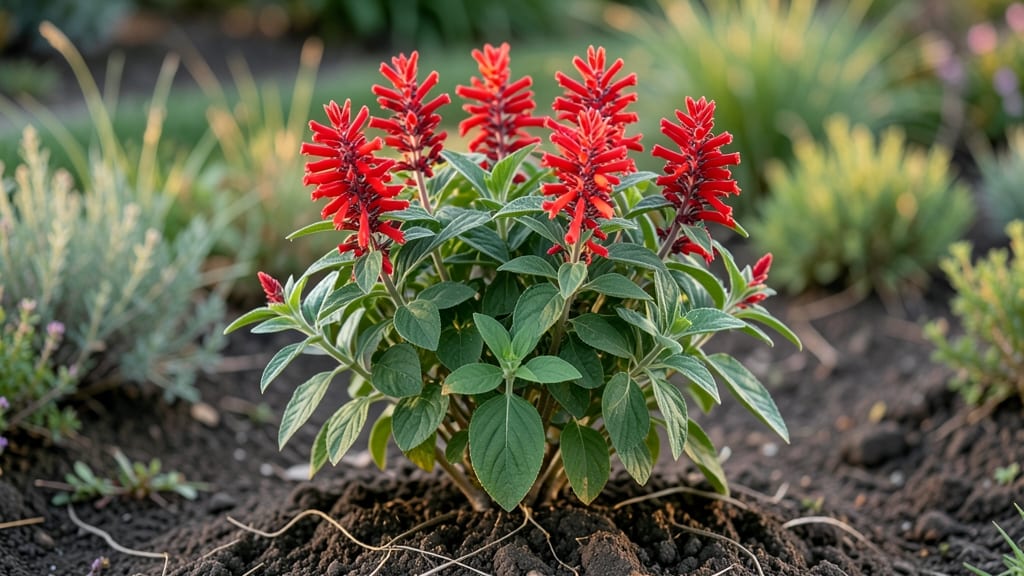
A pineapple sage plant is a perennial in USDA Zones 8-11, returning each year with minimal winter care, unlike annual varieties that require replanting annually. Its distinctive orange blooms and fragrant leaves regrow annually when properly maintained.
The key difference between pineapple sage and its annual cousins lies in its ability to regenerate from the same root system. 🌿 In warmer climates, this plant naturally produces new growth each spring without needing to be replanted, saving both time and resources.
I've found that even in Zone 8's cooler winters, a thick layer of mulch can protect the roots enough to ensure regrowth. The aromatic leaves and bright flowers make it a standout perennial for gardeners seeking both beauty and utility.
What truly sets pineapple sage apart is its resilience—once established, it often outlasts many other perennials with minimal intervention. The pineapple-like scent of its leaves makes it perfect for culinary uses, while the striking orange flowers attract pollinators throughout the growing season.
💡 In This Article
- Climate Zones and Winter Survival for Pineapple Sage Perennials
- Pruning and Care for Year-Round Pineapple Sage Growth
Climate zones and winter survival for pineapple sage perennials
Pineapple sage's perennial status hinges on its cold tolerance, which is determined by its ability to survive temperatures as low as 10-15°F without permanent damage. This hardiness places it firmly in USDA Zones 8-11, where winter temperatures rarely drop below these thresholds.
The plant's native habitat in Mexico's highlands has adapted it to handle seasonal dryness and mild cold snaps, but extended exposure to 20°F or lower can cause root damage or death. 🌡️ Unlike annual varieties that complete their lifecycle in one season, pineapple sage stores energy in its robust root system during dormancy, allowing it to regrow when conditions warm.
The science behind its survival involves a combination of factors: its semi-woody stems, deep root system (reaching 12-18 inches deep), and ability to enter a semi-dormant state. In Zone 8, where winters can dip to 10°F, the plant may lose its foliage but the roots remain viable.
This is why gardeners in these areas often see new growth emerge by early spring. The key difference from annuals is that pineapple sage doesn't rely on seeds for regeneration—it regenerates from the same rootstock, making it far more efficient for gardeners seeking long-term results.
For gardeners pushing the limits in Zone 7 or colder regions, microclimates become crucial. Planting near south-facing walls, under deciduous trees that provide winter sun but summer shade, or in containers that can be moved to protected areas can extend its growing range.
I've successfully grown pineapple sage in Zone 7 by using a combination of 4-6 inches of mulch (straw or shredded leaves) and a lightweight frost cloth during the coldest months. The mulch insulates the roots while allowing moisture to penetrate, while the frost cloth prevents desiccation from winter winds.
What most people don't realize is that pineapple sage's winter survival isn't just about temperature—it's also about moisture management. The plant's roots are susceptible to rot if soil remains soggy during winter, which is why well-draining soil is essential.
In containers, ensure pots have drainage holes and use a cactus/succulent mix to prevent waterlogging. The plant's natural drought tolerance means it can handle dry spells even in winter, but consistent moisture during its active growing season (spring through fall) is critical for establishing strong roots that can withstand cold.
Here's what's actually happening at the cellular level: Pineapple sage's cells produce antifreeze proteins during cold snaps, similar to how some trees prevent ice crystal formation in their tissues.
These proteins lower the freezing point of water within plant cells, allowing the plant to survive temperatures that would otherwise be lethal.
This biological adaptation explains why established plants often bounce back from mild freezes that would kill annuals. 🧬 The trade-off is that young plants (under 1 year old) are more vulnerable and require extra winter protection.
Consider these key factors when assessing your climate:
- Zone 8-9: Minimal winter care needed; mulch with 3-4 inches of organic matter
- Zone 7: Use 5-6 inches of mulch + frost cloth during hardest months
- Zone 6 or colder: Grow in containers for winter indoor overwintering or dig up and store roots in dry media
The payoff for this winter resilience is substantial: once established, pineapple sage can live for 5-10 years or more with proper care, providing continuous harvests of fragrant leaves and pollinator-attracting flowers. This makes it one of the most cost-effective perennials for gardeners seeking both beauty and functionality. 🌟