
Planting
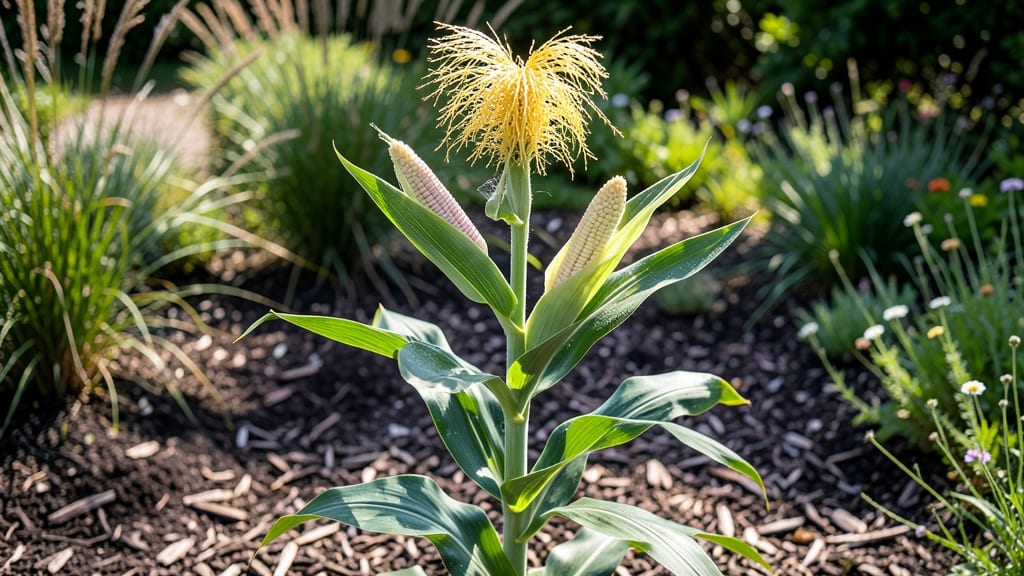
The popcorn plant, though it behaves like an annual, is technically a perennial in its seed-producing cycle, dying back each year but reliably returning from seeds when conditions are favorable. This fast-growing beauty thrives as a garden favorite despite its temporary above-ground presence.
The popcorn plant annual or perennial behavior isn't a flaw—it's a survival strategy! 🌱 While it doesn't regrow from the same roots like true perennials (think asparagus or hostas), its hardy seeds lie dormant in the soil until spring.
These seeds germinate quickly in warm conditions, producing lush foliage within weeks. The key to seeing them return year after year lies in proper seed dispersal and soil conditions, which I'll cover in detail below.
What makes this plant so resilient is its ability to produce thousands of tiny seeds that scatter easily. Unlike true perennials that rely on underground rhizomes, the popcorn plant's entire future depends on these seeds finding favorable conditions.
This explains why some gardeners see it return naturally while others struggle—it's all about creating the right environment for those seeds to thrive.
💡 In This Article
- Why Popcorn Plants Die Back Annually (Life Cycle Explained)
- Encouraging Popcorn Plants to Return Year After Year
Why popcorn plants die back annually (life cycle explained)
The popcorn plant's annual life cycle is a fascinating survival strategy rooted in its botanical structure. Unlike true perennials such as asparagus or hostas, which regrow from underground rhizomes or tubers, Amaranthus caudatus completes its entire life cycle above ground within a single growing season.
This means its stems, leaves, and flowers all emerge, produce seeds, and then die back when frost arrives—typically within 90-120 days after germination. The key difference lies in its reproductive focus: instead of investing energy in perennial structures, it prioritizes seed production to ensure genetic continuity.
Here's what happens under the soil: While the above-ground parts wither, the plant's energy shifts to seed maturation. Each plant can produce 50,000-100,000 tiny seeds that scatter easily, lying dormant until spring.
These seeds contain all the genetic information needed to restart the cycle, making them the plant's primary survival mechanism. The seeds remain viable for 2-5 years in ideal conditions, though germination rates drop after the first year.
This contrasts sharply with true perennials, which allocate resources to underground storage organs that persist through winter.
The plant's frost sensitivity is another critical factor. Popcorn plants thrive in USDA zones 9-11 but struggle in colder climates where frost kills the above-ground growth. In colder regions, gardeners must either collect seeds before frost or provide winter protection.
The plant's rapid growth—reaching 5-10 feet tall in ideal conditions—is also a trade-off for its annual habit. This fast growth allows it to complete its life cycle before frost, but it means the plant cannot sustain itself through winter like a true perennial could.
What makes this adaptation particularly clever is how it balances risk and reward. By producing so many seeds, the popcorn plant increases the odds that at least some will find favorable conditions to germinate. This strategy works exceptionally well in disturbed environments where competition for space is fierce.
In contrast, true perennials rely on established root systems to survive year after year, which requires more energy but offers greater stability in stable ecosystems. The popcorn plant's approach is essentially a high-risk, high-reward gambit that pays off in gardens where seeds can spread freely.
Consider this comparison: A true perennial like hosta might take 3-5 years to reach full maturity, but it will return annually with minimal effort. The popcorn plant, however, can reach maturity in just 60-90 days but must rely entirely on seeds to persist.
This explains why it thrives in gardens where gardeners actively collect and replant seeds—it's designed to exploit temporary opportunities rather than establish permanent dominance. The trade-off is clear: speed and adaptability over long-term stability.
The plant's vibrant foliage and edible seeds are what make it so appealing to gardeners, but its annual habit is a fundamental part of its identity.
Understanding this cycle helps explain why some gardeners see it return naturally while others struggle—it's not a failure of the plant, but rather a mismatch between its natural strategy and the gardener's expectations.
With the right conditions, though, this annual can become a perennial presence in your garden through its seeds. 🌱