
Planting
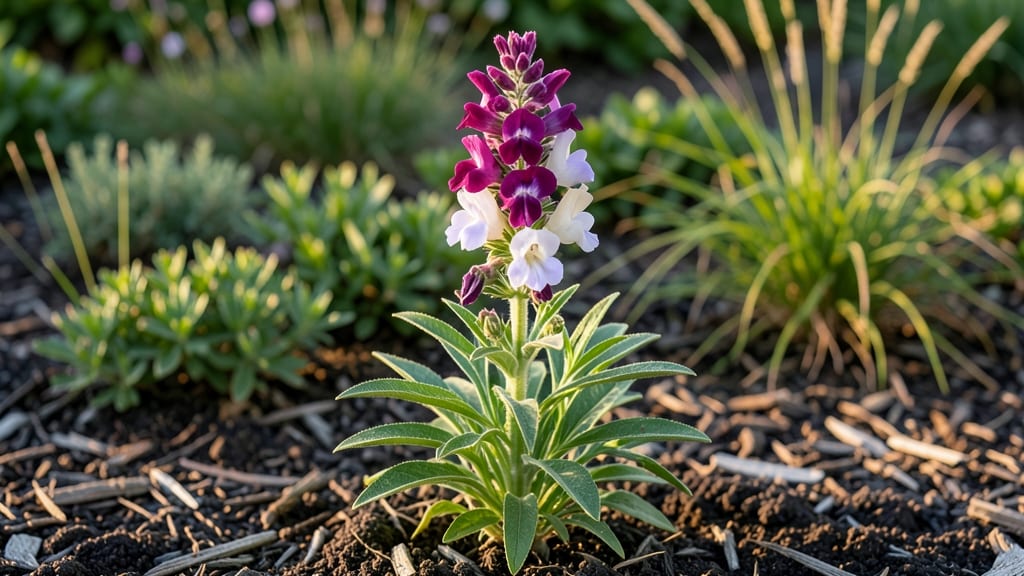
Snapdragon plants act as perennials in USDA zones 5-9, returning each year even after their stems die back in winter. Hardy varieties regenerate from their root systems in spring, while more delicate types may require winter protection or replanting. Cutting back dead foliage in late winter helps stimulate fresh growth.
This winter dormancy isn't just survival—it's a strategic reset. 🌱 The roots store energy like a battery, allowing snapdragons to bounce back stronger in spring. I've seen gardeners in zone 6 swear by their 'Liberty Hybrid' snapdragons because they handle cold snaps better than standard types.
For those in colder zones, adding a thick layer of mulch can make all the difference in protecting those vital roots.
What's fascinating is how different varieties handle winter. Some snapdragons, like the deep purple 'Black Prince', are tougher than others, while newer hybrids often need extra care.
The key is understanding your local climate—whether you're in zone 5 with harsh winters or zone 9 with mild freezes—and adjusting your approach accordingly.
💡 In This Article
- Why Snapdragons Die Back in Winter (And How Roots Survive)
- Preparing Perennial Snapdragons for Winter Success
Why snapdragons die back in winter (and how roots survive)
Snapdragons enter winter dormancy as a survival strategy, where their above-ground stems and leaves die back to conserve energy. This isn't accidental—it's a biological process where the plant redirects resources to its root system, which acts like a living battery.
During the growing season, snapdragons store carbohydrates in their roots, particularly in specialized cells called parenchyma, which can sustain the plant through months without photosynthesis. 🌱 The roots remain alive even when temperatures drop below freezing, thanks to antifreeze proteins that prevent ice crystal formation in their cells.
The degree of cold tolerance varies dramatically between varieties. Standard snapdragons (Antirrhinum majus) typically handle temperatures down to 15°F, but newer hybrids like 'Liberty' or 'Rocket' series can survive -10°F to -15°F with proper care.
What's fascinating is how the plant's growth habit changes: while annual snapdragons produce a single flush of flowers, perennial varieties develop a more robust root crown that stores energy for multiple seasons.
This root system can weigh up to 2-3 times the plant's above-ground biomass by fall, giving it the reserves needed to regenerate.
This dormancy mechanism isn't just about survival—it's a reset button. When temperatures warm in spring, the roots detect increasing light levels and begin producing hormones that trigger new shoot growth. The first signs of regrowth appear when soil temperatures reach 45-50°F, well before air temperatures stabilize.
This is why late-winter pruning works so well: removing dead stems reduces competition for the plant's limited energy reserves, allowing the roots to focus on producing fresh foliage and flowers. 💫
There's a critical difference between true dieback and winterkill. Dieback is natural and temporary, while winterkill occurs when roots freeze solid or rot from excessive moisture. Gardeners in zones 4-5 often see winterkill when snapdragons aren't properly insulated.
The root system's ability to survive depends on several factors: soil moisture (too wet causes rot), insulation (mulch protects against temperature swings), and genetic hardiness (some hybrids have thicker root crowns). Even in harsh winters, snapdragons can regrow if their roots remain intact and protected.
Here's what's happening at the cellular level: As temperatures drop, snapdragons produce more proline, an amino acid that acts as a natural antifreeze and protects cellular structures. Simultaneously, the plant reduces its metabolic rate by up to 90%, conserving energy like a hibernating animal.
This dormancy state can last 4-6 months in colder climates, with the plant effectively "sleeping" until environmental conditions become favorable again. The timing of this process is precisely controlled by photoperiod (day length) and temperature cues, making snapdragons remarkably adaptable to seasonal changes.
The regrowth process begins when roots detect increasing light through the soil. Within 2-4 weeks of warm spring temperatures, you'll see new shoots emerging from the base of the plant. These shoots develop from axillary buds located near the root crown, which have remained dormant throughout winter.
The speed of regrowth depends on soil temperature, moisture levels, and the plant's stored energy reserves—hence why well-mulched plants often emerge 2-3 weeks earlier than unprotected ones. 🌿