
Planting
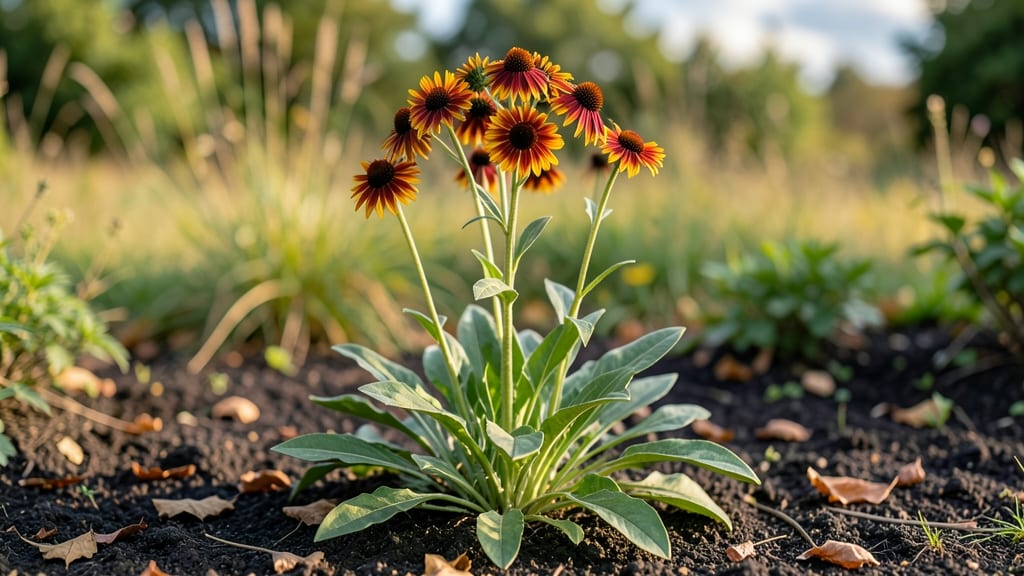
For sun perennials in Zone 6, black-eyed Susan, coneflower, and daylily are your best bets—they handle freezing winters and full sun beautifully while giving you bold colors season after season. Pick cold-resistant varieties to keep them thriving with almost no winter damage.
Zone 6's winters can be tough on plants, but these sun-loving perennials have built-in survival strategies. 🔥 Many store energy in deep roots, while others protect their growth centers with insulating leaf litter.
The key is choosing varieties bred for your region—like Echinacea 'White Swan' or 'Stella de Oro' daylilies—which bounce back stronger after cold snaps. I've seen some of these plants push through snow for early spring blooms, proving just how resilient they can be.
These plants aren't just cold-hardy—they're also drought-tolerant once established, making them perfect for low-maintenance gardens. The trade-off? Some may need occasional deadheading to encourage more blooms, and early spring growth can be vulnerable to late frosts.
That's why I always recommend planting in well-draining soil and adding a thick layer of mulch after the first frost—it's like giving them a cozy blanket for winter.
💡 In This Article
- Why These Perennials Survive Zone 6 Winters
- Planting and Care Tips for Zone 6 Sun Gardens
Why these perennials survive Zone 6 winters
Zone 6 winters can drop to -10°F to 0°F, but these perennials have evolved clever survival strategies. Many store energy in deep, thick roots that act like underground batteries—daylilies, for example, can grow roots 3-4 feet deep, accessing moisture and nutrients even when top growth dies back.
This root system also helps regulate temperature fluctuations, protecting the plant's core from freezing.
The secret weapon of many sun perennials is their ability to enter deep dormancy. Black-eyed Susans and coneflowers, both native to North America, produce hardy buds that remain protected beneath the soil surface or within dense foliage.
Some varieties, like Echinacea 'Magnus', develop woody stems that store carbohydrates, giving them fuel to regrow quickly when temperatures rise. 🌱 What's fascinating is how these plants can lose up to 90% of their above-ground growth in winter yet still bounce back with vibrant blooms by early summer.
Leaf structure plays a crucial role too. Many cold-hardy perennials have thick, waxy leaves that reduce water loss and insulate the plant's growth points. Daylilies, for instance, have fleshy leaves that contain high levels of antioxidants, which help protect cell membranes from freezing damage.
This natural insulation is why you'll often see these plants pushing through snow in late winter—while other garden plants remain dormant, these hardy types are already preparing for spring.
Another key factor is how these plants handle frost. Some, like Helleborus (Lenten rose), actually prefer cooler temperatures and can bloom in late winter when most gardens are still bare. Their flowers emerge from buds that form the previous summer, protected by thick, hairy stems.
This early blooming strategy gives them a head start on pollinators and makes them stand out in winter landscapes.
What most gardeners don't realize is how soil temperature affects survival. These perennials thrive in well-draining soil that warms up quickly in spring, allowing roots to resume growth before late frosts can damage new shoots.
The ideal soil temperature for root activity is 40-50°F, which is why planting in south-facing locations with good air circulation gives these plants the best chance to establish before winter sets in.
Consider these cold-hardiness traits when selecting plants for your Zone 6 garden:
- Root depth: Deeper roots (3+ feet) store more energy for spring regrowth
- Bud protection: Look for varieties with woody stems or underground buds
- Leaf structure: Thick, waxy leaves reduce winter damage
- Dormancy depth: Some plants go completely dormant, while others maintain some green growth
The result? A garden that comes back year after year with minimal effort from you. These perennials prove that beauty and resilience go hand in hand—once established, they'll reward you with stunning displays with almost no winter maintenance. 💫