
Planting
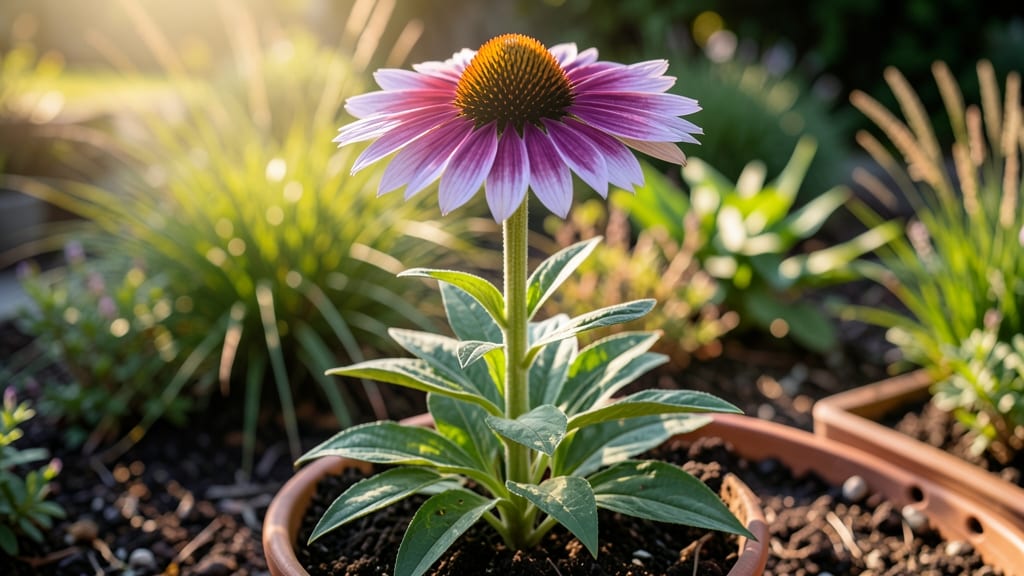
A perennial plant is a flowering or non-flowering species that lives for more than two years, regrowing from its root system each spring after dying back in winter, ensuring seasonal reblooms without replanting.
A perennial plant thrives through multiple growing seasons, unlike annuals that complete their life cycle in one year. 🌱 Their secret lies in robust root systems that store energy underground, allowing them to push through soil each spring with minimal care.
This hardiness makes them ideal for gardeners seeking low-maintenance beauty, as they return year after year with consistent blooms.
Many popular garden perennials—like peonies, black-eyed Susans, and daylilies—demonstrate this resilience perfectly. The key difference from annuals isn't just longevity but their ability to establish deep roots that tap into moisture and nutrients, reducing the need for frequent replanting or division.
This makes them both cost-effective and environmentally friendly choices for sustainable landscaping.
💡 In This Article
- How Perennial Plants Survive Through Seasons
- Best Perennial Plants for Gardens and Landscapes
How perennial plants survive through seasons
The remarkable resilience of perennial plants begins with their underground root systems, which function like nature's built-in energy banks. Unlike annuals that complete their entire lifecycle in a single growing season, perennials develop deep, complex root networks that can extend 3-6 feet below ground.
These roots store carbohydrates, sugars, and water—essentially fuel for the plant's annual revival—during dormancy phases when above-ground growth slows or stops. 🌱 For example, a peony plant might store enough energy in its roots to produce 50-100 blooms per season after just one year of establishment.
Perennials master seasonal survival through a carefully timed biological process called dormancy. During winter, when temperatures drop below 40°F, many perennials enter a state of metabolic slowdown, halting growth but maintaining vital functions. Their roots continue to respire (breathe) at reduced rates, consuming stored starches to stay alive.
Some species, like hostas, even produce specialized root tissues that act as insulation against freezing temperatures. This dormancy isn't passive—it's an active survival strategy that allows the plant to "wait out" harsh conditions while preserving its energy reserves.
The contrast with annuals and biennials highlights why perennials dominate long-term gardens. Annuals like marigolds complete their entire life cycle in one season, producing seeds before dying, while biennials like carrots focus their energy on leaf growth in year one and flowering in year two.
Perennials, however, allocate resources differently: they prioritize root development during their first year, then shift energy to above-ground growth in subsequent years. This strategy creates a self-sustaining system where the plant becomes more robust with each passing season, often reaching peak performance after 3-5 years of establishment. 💫
Climate adaptation plays a crucial role in how different perennials survive. Cold-hardy species like coneflowers (Echinacea) can withstand temperatures down to -20°F thanks to specialized root structures that prevent freezing.
Meanwhile, tropical perennials like cannas store energy in thick, fleshy roots called rhizomes that act as water reservoirs during dry periods. Even in temperate zones, perennials demonstrate remarkable flexibility—some, like daylilies, can tolerate both drought conditions and brief flooding by adjusting their root oxygen intake.
One fascinating mechanism is how perennials manage their growth cycles through photoperiodism—the response to daylight length. Many perennials in temperate climates detect shorter daylight hours in autumn as a signal to prepare for dormancy.
This internal clock triggers the plant to redirect nutrients from leaves back into roots, a process called senescence. The result is a gradual die-back of foliage while the root system remains active and alive, ready to push new shoots when conditions improve in spring. 🌿
Understanding these biological processes explains why perennials require minimal care once established. Their ability to regenerate from the same root system year after year means gardeners don't need to replant, reducing both time and resources.
For instance, a well-established lavender plant can live for 10-15 years with proper care, while producing fragrant blooms annually with virtually no intervention beyond occasional pruning and watering during establishment.