
Plants
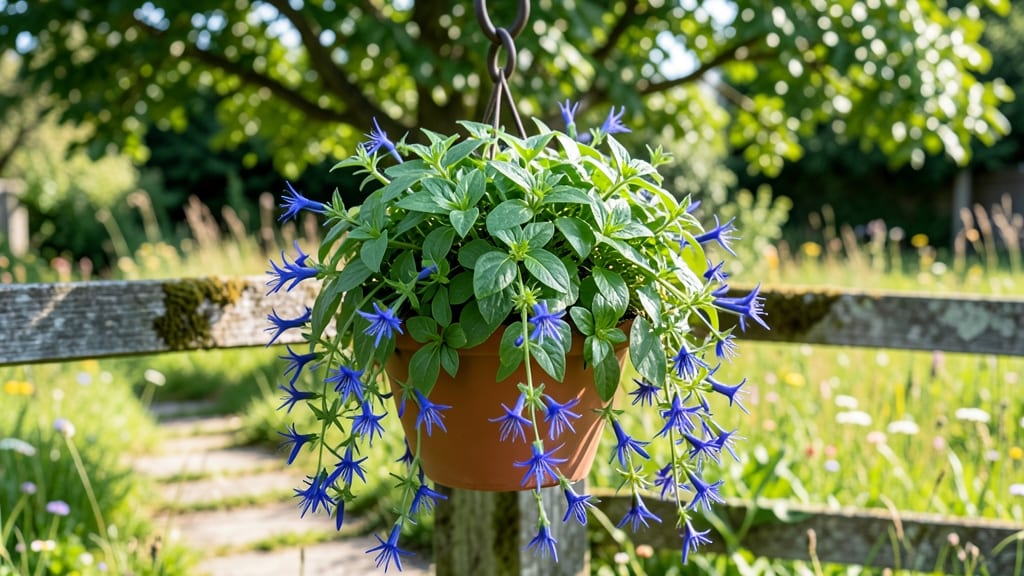
A trailing perennial is a plant that spreads horizontally along the ground, producing new growth from stems or runners while returning each year, unlike upright perennials that grow vertically. Examples include creeping thyme and ajuga, which form dense ground covers through their spreading habit.
A trailing perennial thrives by sending out horizontal stems called stolons or runners, which root at nodes to create new plants.
This spreading habit sets it apart from traditional perennials that grow upward, making trailing varieties perfect for filling gaps or preventing soil erosion. 🌿 Unlike annuals, these plants regrow each season, offering year-round coverage with minimal effort—just watch them crowd out weeds naturally!
For gardeners, this means less maintenance: once established, trailing perennials like liriope or creeping phlox spread effortlessly, creating lush carpets of color. The key is balancing their growth—prune aggressively in early spring to control spread while preserving their dense, weed-blocking qualities. Perfect for slopes, borders, or even container edges!
💡 In This Article
- How Trailing Perennials Spread: Growth Habits Explained
- Best Trailing Perennials for Gardens and Landscapes
How trailing perennials spread: growth habits explained
Trailing perennials spread primarily through specialized stems called stolons (above-ground runners) or rhizomes (underground stems). These structures grow horizontally away from the parent plant, forming new root nodes every 6-12 inches along their length.
For example, creeping thyme produces stolons that root at each node, creating a dense mat of foliage. This process is called vegetative propagation, where the plant replicates itself without seeds.
The science behind this spread involves auxin hormones, which regulate cell elongation in the horizontal stems. Stolons grow at a rate of about 1-3 inches per month under ideal conditions, while rhizomes can expand even faster—up to 12 inches per year in aggressive spreaders like bamboo.
Unlike upright perennials that focus energy on vertical growth, trailing varieties prioritize horizontal expansion, forming a natural ground cover that suppresses weeds and retains soil moisture.
This spreading mechanism makes trailing perennials ideal for erosion control, especially on slopes or bare soil. The dense root network stabilizes the ground while the foliage intercepts raindrops, reducing runoff.
For instance, ajuga spreads via stolons and forms a thick carpet that can reduce soil erosion by up to 70% compared to bare ground. The trade-off? Their aggressive growth requires strategic planting—place them 12-18 inches apart to allow room for expansion without overcrowding other plants.
What sets trailing perennials apart from true perennials is their clonal growth—each new plant is genetically identical to the parent. This creates uniform coverage but also means they lack genetic diversity. In contrast, upright perennials like daylilies grow vertically from a central crown, producing flowers but not spreading horizontally.
The key difference is energy allocation: trailing types invest in horizontal expansion for survival, while vertical perennials prioritize above-ground growth for reproduction.
Consider the texture and visual impact: trailing perennials like liriope create a velvety green carpet, while creeping phlox adds vibrant color with its 1-inch flowers along sprawling stems. Their low-growing habit (typically 3-6 inches tall) makes them perfect for edging pathways or filling gaps between larger plants.
The sensory appeal lies in their ability to soften harsh lines in landscapes while adding year-round interest.
For gardeners, understanding these growth habits means planning for containment. Some varieties, like mint (a trailing perennial), can spread 10 feet or more per year if unchecked. The solution? Plant aggressive spreaders in containment barriers like edging or root barriers to direct their growth where you want it.
This balance of beauty and control is what makes trailing perennials a gardener's secret weapon.