
Flowers
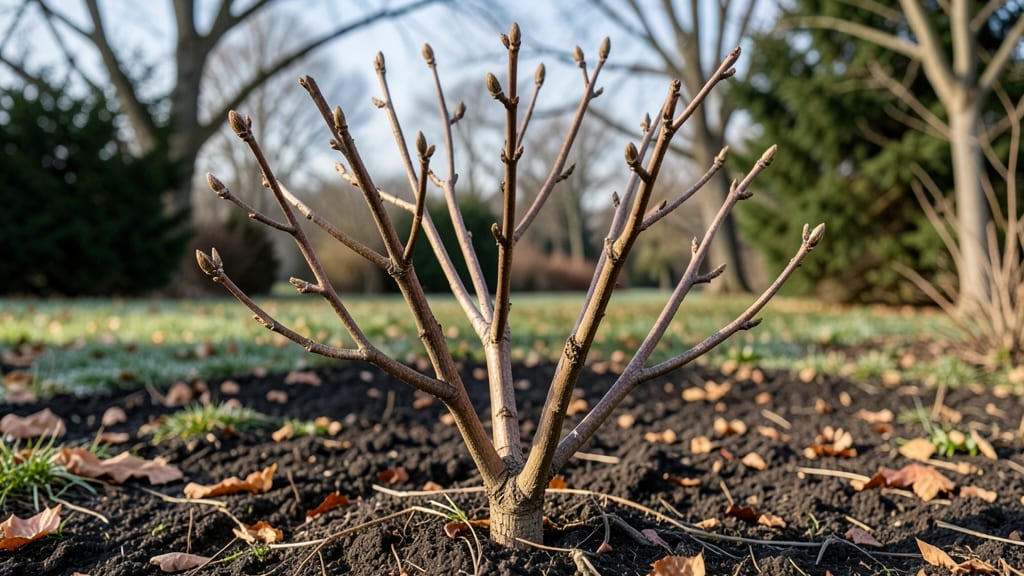
Perennial hibiscus come back each year in late spring to early summer, with fresh growth appearing after the last frost when soil temperatures consistently reach 60°F. Your local climate zone and winter care routines directly impact when you'll see those vibrant new shoots—warmer areas may see regrowth by March, while cooler regions wait until May or June.
Understanding this timing comes down to two key factors: soil warmth and your plant's dormancy cycle. 🌱 The 60°F threshold isn't just a number—it's when hibiscus roots become active again after their winter rest.
In USDA zones 9-11, where winters are mild, you might spot those first green leaves as early as February, while zones 5-7 often need to wait until after Memorial Day. The good news?
Proper winter prep like mulching and strategic pruning can nudge your hibiscus to wake up 2-3 weeks earlier than neighbors who skip these steps.
What's fascinating is how hibiscus "know" when to emerge. These tropical natives evolved to respond to daylight length and soil temperature cues. When nights stay above 40°F consistently and days lengthen past 12 hours, the plant's internal clock triggers new growth.
This biological timing explains why hibiscus in containers often regrow slightly later than in-ground plants—their roots warm up more slowly in pots.
💡 In This Article
- Climate Zone Factors Affecting Hibiscus Regrowth Timing
- Winter Care Tips to Trigger Faster Spring Regrowth
Climate Zone factors affecting hibiscus regrowth timing
Perennial hibiscus respond to temperature shifts with remarkable precision. The plant's dormancy cycle is triggered by dropping temperatures below 50°F in fall, but regrowth only begins when soil at 4-inch depth consistently reaches 60°F. This threshold activates root metabolism, allowing water and nutrient uptake to restart.
In USDA Zone 9 (southern California, Florida), where winters rarely drop below 40°F, hibiscus may push new shoots as early as February, while Zone 5 gardeners (Chicago, Boston) typically wait until late May after soil warms past 65°F.
The difference between zones stems from frost-free dates and seasonal temperature patterns. For example, Atlanta (Zone 7b) averages its last frost around March 15, but hibiscus won't emerge until soil temperatures stabilize above 60°F—usually April 15-20.
Meanwhile, in Phoenix (Zone 9a), where winter lows rarely dip below 45°F, hibiscus often begin regrowth by early March. This 30-45 day variation highlights why simply tracking frost dates misses half the picture—soil temperature is the critical factor.
Daylight length also plays a subtle but important role. Hibiscus native to tropical regions evolved to detect increasing daylight hours (photoperiodism), which signals spring. When days exceed 12 hours of sunlight—typically mid-March to early April in most U.S. locations—the plant's hormonal balance shifts from dormancy to active growth.
This explains why hibiscus in containers often lag behind in-ground plants by 1-2 weeks: pots warm more slowly due to air exposure around roots, delaying the 60°F threshold.
Microclimates create additional variations even within the same zone. Hibiscus planted against south-facing walls or near dark pavement may regrow 10-14 days earlier than those in open garden beds, as these spots absorb and retain heat more effectively.
The same principle applies to urban gardens—concrete surfaces can raise nearby soil temperatures by 5-10°F compared to grassy areas. This localized warming effect is why city gardeners often see hibiscus emerge before their rural counterparts, even in identical climate zones.
What most gardeners overlook is how wind patterns affect regrowth timing. Cold air settling in low-lying areas can delay soil warming by 1-2 weeks, while elevated spots or slopes warm faster.
In mountainous regions (like Zone 6's Appalachians), hibiscus on south-facing slopes may emerge 20 days earlier than those in valley bottoms.
This terrain-based variation explains why some Zone 6 gardeners report regrowth by mid-April while others wait until May 15—the difference isn't just the zone, but the specific microclimate within it.
For precise timing predictions, track both air temperature (for frost risk) and soil temperature (for root activation). Digital soil thermometers placed at 4-inch depth provide the most accurate data.
In my own Zone 7 garden, I've found that when morning soil temps hit 62°F for three consecutive days, hibiscus regrowth becomes inevitable—usually within 7-10 days. This scientific approach eliminates guesswork and helps explain why some years see earlier regrowth despite identical climate zones.