
Flowers
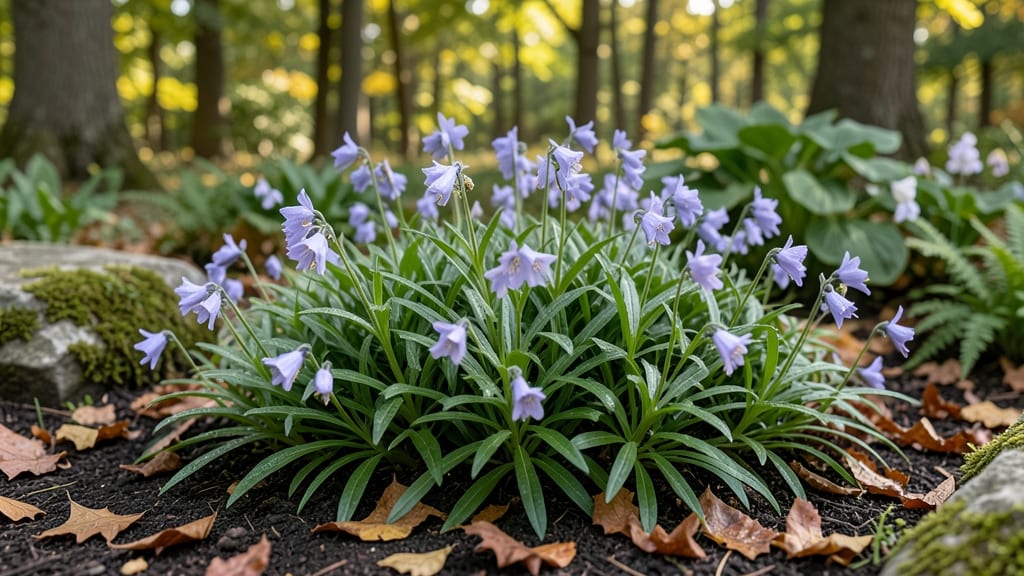
The woodland phlox perennial thrives in shade with remarkable cold-hardiness, delivering vibrant spring blooms and frequent fall reblooms when provided with consistent moisture, well-draining soil, and regular deadheading. Its dense, compact form makes it perfect for woodland gardens and borders.
This shade-loving perennial stands out because its deep root system stores moisture efficiently, helping it survive dry spells while still producing abundant flowers. 🌿 Unlike many perennials that struggle in cooler climates, woodland phlox actually benefits from winter dormancy, which primes it for stronger spring growth.
The key to encouraging those second blooms lies in maintaining even moisture and removing spent flowers promptly—this prevents energy drain and redirects it toward new flower production.
For gardeners, this means less fuss than you might expect. Plant it in partial to full shade where other flowers might struggle, and you'll get reliable color year after year with minimal effort. The compact habit also makes it perfect for filling gaps between larger shrubs or lining woodland paths.
💡 In This Article
- Why Woodland Phlox Reblooms More Reliably Than Other Perennials
- Step-by-Step Woodland Phlox Planting and Maintenance Guide
Why woodland phlox reblooms more reliably than other perennials
Woodland phlox's exceptional reblooming ability stems from its unique root system, which stores moisture and nutrients efficiently during dormancy. Unlike many perennials that rely on shallow roots, woodland phlox develops a deep, fibrous root network that extends 12-18 inches below the surface.
This structure allows it to access water during dry spells while still thriving in shaded conditions where evaporation is minimal. The roots also store carbohydrates over winter, providing energy for spring regrowth and fall reblooming when other shade plants may struggle.
The botanical magic happens through a process called vernalization, where exposure to cold temperatures triggers flowering. Woodland phlox requires 30-45 days of temperatures below 45°F to break dormancy and initiate blooms. This cold requirement actually enhances its reliability—unlike heat-sensitive perennials that may skip blooming during warm winters.
The plant's ability to sense temperature shifts also explains why it often produces a second flush of flowers in fall when daytime temperatures dip but nights remain mild, creating ideal conditions for new growth.
Light exposure plays a critical role too. While woodland phlox tolerates full shade, it actually needs at least 3-4 hours of indirect light daily to trigger reblooming. The plant uses this light to produce the hormones necessary for flower bud formation.
In deeper shade, you'll get strong foliage but fewer blooms. This is why it often outperforms other shade-loving perennials like lungwort or astilbe, which may produce only a single spring bloom cycle. The woodland phlox's ability to respond to seasonal light changes gives it that extra rebloom advantage.
Another key factor is the plant's growth habit. Woodland phlox forms dense clumps through rhizomatous spread, creating a network of interconnected stems. This structure allows it to recover quickly from winter damage and redirect energy toward flower production.
When you compare it to plants like hostas that spread through underground tubers, you'll notice woodland phlox maintains a more consistent flowering pattern because its growth isn't as dependent on perfect growing conditions each year.
What makes woodland phlox particularly resilient is its adaptive dormancy strategy. While many perennials enter complete dormancy in winter, woodland phlox maintains some metabolic activity, allowing it to respond quickly to spring conditions.
This partial dormancy, combined with its moisture-storing roots, explains why it often blooms 2-3 weeks earlier than other shade perennials in spring—and why it can produce that unexpected fall rebloom when temperatures dip again after summer.
For gardeners, this means you get more blooms for less effort. The plant's natural mechanisms for moisture retention and temperature adaptation reduce the need for constant watering or soil amendments.
Simply providing well-draining soil with organic matter and protecting it from extreme drought gives woodland phlox everything it needs to show off its reliable blooming habit year after year. 🌸