
Plants
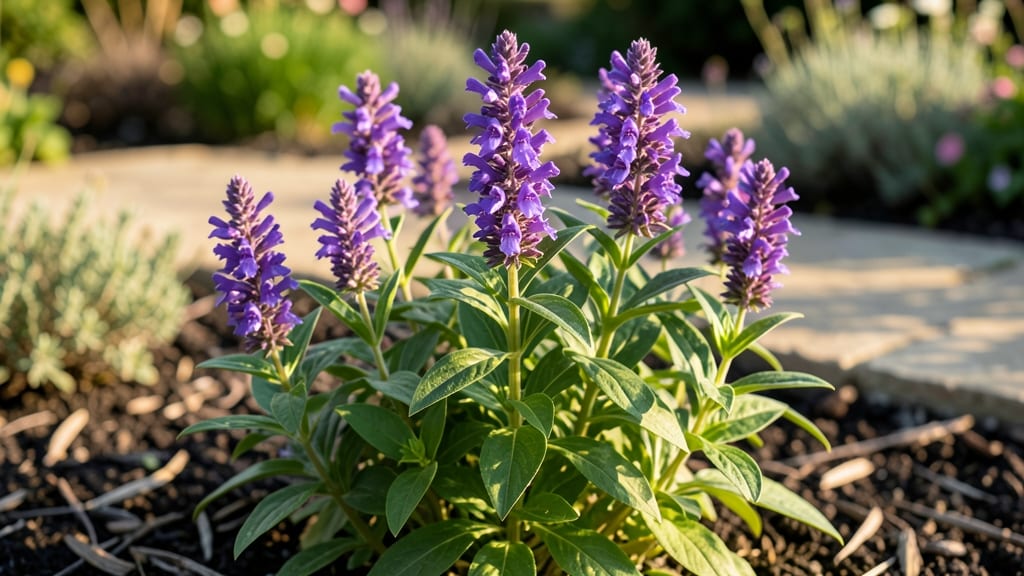
Angelonia plants are not true perennials in most climates but can act as short-lived perennials or self-seed prolifically in warm zones (USDA 9-11), surviving mild winters with proper protection. Reblooming depends on variety and winter care, not inherent hardiness.
Angelonia, often called summer snapdragons, thrives as an annual in most gardens but can persist for years in frost-free climates through clever overwintering strategies. 🌱 The key lies in their adaptability—while they won't survive harsh freezes, varieties like 'Angelface' develop woody bases that regrow when temperatures stabilize.
In cooler regions, gardeners often treat them as tender perennials by digging up tubers or moving potted plants indoors before frost. This approach turns what seems like a seasonal plant into a long-term garden staple with minimal effort.
What makes Angelonia's persistence possible is its ability to self-seed aggressively in ideal conditions. When left undisturbed, the plant drops seeds that germinate readily, creating natural colonies that bloom year after year without human intervention.
This trait makes it particularly valuable for low-maintenance gardens where you want consistent color without annual replanting. The trade-off? Some gardeners find the self-seeding habit can become overzealous, requiring occasional thinning to maintain desired plant spacing.
💡 In This Article
- Angelonia Plant Cold-Hardiness Zones and Survival Factors
- Reblooming Angelonia: Winter Care and Propagation Hacks
Angelonia plant cold-hardiness zones and survival factors
Angelonia's cold sensitivity stems from its tropical origins, where temperatures rarely drop below 40°F. The plant's cells contain delicate membranes that rupture when exposed to 32°F or lower, causing irreversible damage.
This threshold explains why Angelonia thrives only in USDA zones 9-11 naturally—areas where winter lows typically stay above 25°F. In colder zones, even brief cold snaps can trigger dormancy or death, as the plant lacks the protective mechanisms of true perennials like lavender or salvia.
The plant's survival strategy involves a 3-phase response to cold: first, growth slows at 50°F, then metabolic processes halt at 45°F, and finally, cellular damage occurs below 40°F.
Mulching with 4-6 inches of straw or wood chips can raise soil temperatures by 5-10°F, creating a microclimate that buys time during light frosts. Container-grown Angelonia benefits even more from insulation—wrapping pots in bubble wrap and moving them to sheltered locations can extend survival through 20°F nights.
What's fascinating is how Angelonia's woody stems adapt in warmer climates. Varieties like 'Angelface Blue' develop 1-inch-thick basal stems that act as natural insulation, allowing regrowth when temperatures rebound above 55°F.
This trait makes them behave like short-lived perennials in mild winters, while still requiring protection in zones below 9. The plant's ability to regenerate from these woody bases explains why some gardeners successfully overwinter Angelonia year after year with minimal intervention.
Light plays a crucial role too—Angelonia needs 6-8 hours of sunlight daily to maintain its energy reserves for winter survival. In containers, this means positioning plants where they'll receive maximum winter sun exposure.
The plant's deep root system (up to 12 inches) also helps anchor it against wind desiccation, another common cold-weather threat. Without these factors aligned, even the hardiest Angelonia varieties will struggle to persist through winter.
Consider this comparison: While Angelonia won't survive a -5°F night without protection, established plants in zone 9 can handle 25°F with proper mulching—a range similar to how lantana (another tender perennial) behaves.
The key difference is Angelonia's lack of true dormancy—it doesn't enter a deep winter sleep like peonies do, making it more vulnerable to prolonged cold exposure.
For gardeners in marginal zones (8-9), the solution often lies in combining physical protection with cultural techniques. Using black plastic mulch before winter can raise soil temps by 3-5°F, while placing plants near south-facing walls creates additional warmth.
These methods don't make Angelonia a true perennial, but they can turn it into a 3-5 year garden staple with minimal effort.