
Blooming
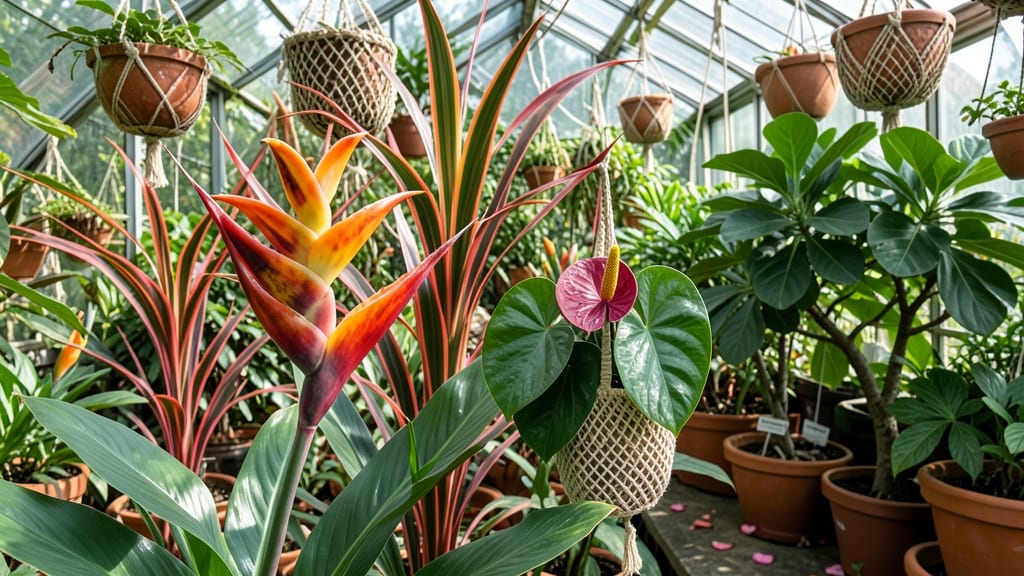
Perennial flowers that bloom all year need frost-free climates or careful layering techniques, featuring hardy options like hellebores and salvias alongside tropical varieties such as hibiscus, though most still demand climate-specific care.
Creating year-round blooms depends heavily on your local climate and how you layer plants strategically. 🌿 In warmer zones (USDA 8-11), tropical perennials like plumbago and bougainvillea thrive naturally, while in cooler regions, evergreen hellebores and winter jasmine provide color through dormant seasons.
The key is pairing early, mid, and late bloomers so one variety always takes over when another fades—this creates that magical continuous display gardeners dream of.
For example, hellebores burst into bloom in late winter when most gardens are still bare, while salvias take over in summer and fall. Adding ornamental grasses like fountain grass or pampas grass extends the show through winter with their striking seed heads.
The secret lies in understanding each plant's natural cycle and filling those gaps with complementary varieties.
💡 In This Article
- Climate Zones and Year-Round Blooming Perennials
- Low-Maintenance Perennials for Continuous Color
Climate zones and year-round blooming perennials
Climate zones dictate which perennials can thrive continuously, with USDA zones 8-11 offering the most natural year-round blooming opportunities. In these frost-free regions, tropical varieties like hibiscus and plumbago flourish without protection, their vibrant blooms sustained by consistent warmth and humidity.
The average annual temperature in these zones rarely drops below 10°F, creating ideal conditions for plants adapted to subtropical climates. 🌴 For comparison, zone 7 (where winters dip to -10°F) requires careful plant selection or seasonal adjustments to achieve similar results.
The mechanism behind continuous blooming lies in each plant's natural growth cycle and dormancy patterns. Frost-tender perennials like salvias and bougainvillea rely on warm temperatures to trigger flowering, while hardy varieties such as hellebores (zone 4-9) have evolved to bloom in early spring when soil temperatures reach 50°F.
This explains why hellebores often appear in late winter—their roots remain active in cooler conditions, while most other perennials are still dormant. The key is matching plant hardiness to your zone's minimum winter temperatures.
Seasonal layering techniques extend blooming cycles in cooler climates. For example, pairing winter jasmine (which blooms in late winter) with bearded iris (summer bloomer) creates visual continuity.
In zone 5 (-20°F winters), gardeners often use mulch to protect roots and overwinter tender perennials in containers that can be moved to sheltered spots. The science here involves protecting plant tissues from freezing while maintaining root viability—similar to how some vegetables are blanched before storage.
Light exposure plays a crucial role too. Many year-round bloomers, like salvias, thrive in full sun (6+ hours daily) but require well-draining soil to prevent root rot—a common issue in humid zones.
In contrast, hellebores prefer partial shade, especially in hotter regions where afternoon sun can scorch their delicate foliage. This explains why a single garden might need both sun-loving and shade-tolerant varieties to create continuous color across different microclimates. 🌿
Consider this practical example: In zone 9 (20-30°F winters), a garden might combine plumbago (spring-fall blooms), salvia greggii (summer-fall), and dwarf gardenias (year-round with proper care). The plumbago's blue flowers bridge winter gaps, while gardenias provide fragrant white blooms during cooler months.
This layering approach mirrors how professional gardens create "bloom waves" by staggering plant cycles by 2-3 weeks.
What most gardeners overlook is how soil temperature affects root activity. Even in mild climates, soil can remain cold for weeks after air temperatures warm up. For instance, pansies (often considered annuals) can bloom continuously in zone 8 if planted in well-amended soil that warms quickly.
The solution? Incorporate organic matter to improve drainage and heat retention—this simple adjustment can extend blooming seasons by 4-6 weeks in marginal zones.