
Blooming
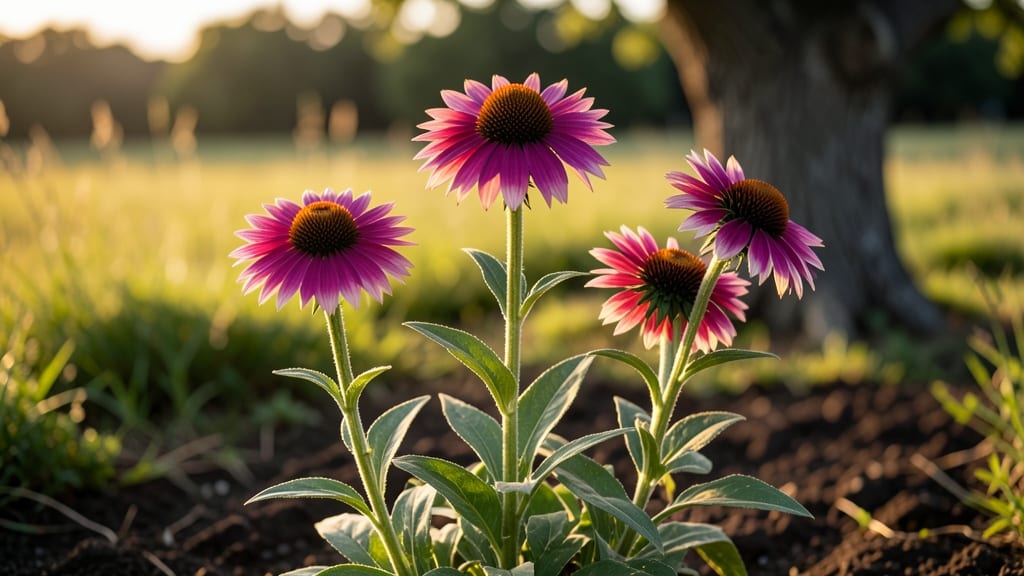
Summer-blooming perennial flowers like coneflowers, black-eyed Susans, and daylilies deliver vibrant color year after year with minimal effort, thanks to their deep roots and drought-resistant nature.
These hardy plants outperform annuals by establishing strong root systems that store water and nutrients, making them far more resilient during summer heat. 🌸 Unlike annuals that need replanting, perennials like bee balm and Russian sage multiply over time, creating lush, self-sustaining gardens.
I’ve found that even beginners can achieve stunning summer displays with just six hours of sunlight and basic soil prep—no fancy techniques required.
For best results, group plants by sunlight needs: full-sun lovers like lavender and blanket flower thrive in six+ hours of direct light, while partial-shade varieties such as asters prefer filtered afternoon sun.
Spacing matters too—give each plant room to breathe (typically 12-18 inches apart) to prevent crowding and encourage bigger blooms. Pro tip: Add mulch to retain moisture and suppress weeds, which is especially helpful in the dog days of summer.
💡 In This Article
- Why Summer-Blooming Perennials Outlast Annuals
- Best Low-Maintenance Summer Perennials by Sunlight Needs
Why summer-blooming perennials outlast annuals
Summer-blooming perennials have a biological advantage rooted in their deep root systems, which can extend 3-5 feet below the surface. This allows them to access water and nutrients far beyond what annuals can reach, making them far more drought-resistant.
For example, coneflowers develop taproots that store moisture during dry spells, while black-eyed Susans spread horizontally to create a dense network that conserves water. 💧 This natural water storage means they can survive heatwaves that would crisp annuals in days.
Their seasonal adaptation is equally impressive. Most summer perennials enter dormancy in late fall, storing energy in their roots and tubers to fuel next year's growth. Daylilies, for instance, store starches in their rhizomes, while Russian sage builds up deep reserves that let it rebound quickly after summer heat.
This contrasts sharply with annuals, which must complete their entire life cycle in one season—from seed to bloom to seed—leaving them vulnerable to environmental stress.
Perennials also outcompete annuals through their ability to spread and multiply. Plants like bee balm and catmint form colonies through underground runners, while others like peonies increase their flower count yearly. This self-sustaining growth means your garden gets more vibrant over time without extra planting.
The trade-off? Some perennials may need division every 3-5 years to prevent overcrowding, but this is a minor effort compared to annual replanting.
Another key advantage is their pest resistance. Many summer perennials, such as lavender and blanket flower, contain natural oils that repel insects, reducing the need for chemical interventions. Their tougher foliage also resists diseases that plague annuals like marigolds or zinnias.
This resilience means you'll spend less time battling garden pests and more time enjoying the blooms.
Consider the example of coneflowers: they thrive in full sun to partial shade and produce 2-3 inch flowers that last 6-8 weeks per season. Their seed heads also provide winter interest for birds, adding another layer of garden value.
Unlike annuals that fade after one season, coneflowers return year after year with increasing vigor, making them the ultimate low-maintenance choice.
For gardeners in hot climates, this biological hardiness translates directly to savings. Annuals often require weekly watering and monthly fertilizing, while established perennials may only need supplemental water during extreme drought.
The long-term payoff is both ecological and economical—once planted, these summer stars require minimal intervention to deliver decades of color.