
Flowers
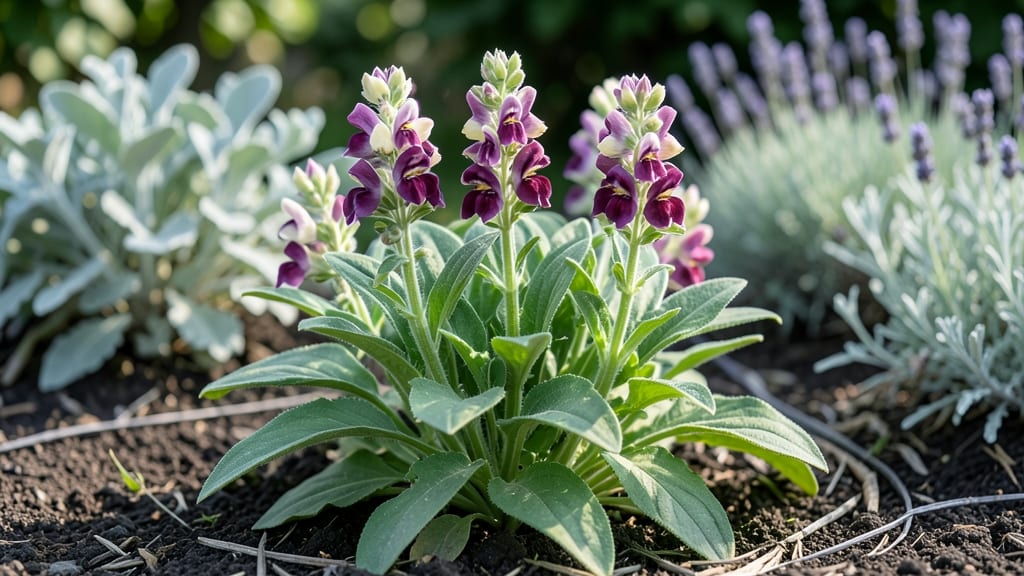
Snapdragons aren't true perennial flowers in most climates—they act like biennials or short-lived perennials, going dormant in winter but often returning from their roots when protected from harsh frost.
This behavior comes down to their native Mediterranean origins, where snapdragons evolved to survive seasonal dormancy rather than year-round growth. 🌱 Unlike true perennials that regrow from their crowns every spring, snapdragons rely on protected root systems to bounce back.
In milder climates (USDA zones 7-10), they'll often self-seed or regrow reliably, while colder regions may need extra winter protection like mulch or row covers to encourage regrowth.
What makes them special is their ability to produce vibrant blooms for two seasons in many areas—first as annuals, then as biennials—before eventually fading. This cycle explains why gardeners in temperate zones often treat them as perennials while still accounting for their seasonal dieback patterns.
💡 In This Article
- Snapdragon Life Cycle: Why They Die Back Each Year
- Hardiness Zones for Snapdragon Overwintering Success
Snapdragon life cycle: why they die back each year
Snapdragons (Antirrhinum majus) evolved in Mediterranean climates where summers are hot and dry, forcing them to develop a survival strategy centered around seasonal dormancy. Unlike true perennials—like hostas or peonies—that maintain active growth year-round, snapdragons enter a state of winter dormancy when temperatures drop below 40°F (4°C).
This triggers a physiological response where the above-ground foliage yellows and dies back, but the root system remains alive underground, storing energy for potential regrowth.
The key difference lies in their root structure. True perennials develop thick, woody crowns that regenerate foliage annually, while snapdragons rely on a fibrous root system that can survive 3-6 months of dormancy in ideal conditions.
When spring temperatures stabilize above 50°F (10°C), these roots send up new shoots—often within 2-4 weeks—if protected from extreme cold or frost heave.
This is why gardeners in milder zones (like Southern California or the Pacific Northwest) see snapdragons return year after year, while colder regions may need intervention.
What most gardeners overlook is how frost timing affects survival. A hard freeze (-5°F/-21°C) can kill even dormant roots, but a gradual chill (32-40°F/0-4°C) strengthens their cold tolerance through a process called acclimation.
Think of it like hibernation: snapdragons prepare for winter by converting sugars into protective compounds, similar to how deciduous trees store starches in their roots. This biological mechanism explains why they thrive in USDA zones 7-10 but struggle in zones 5 and below without protection.
Another critical factor is their biennial growth pattern. In their first year, snapdragons focus on building root mass and foliage, only producing flowers in their second year—a trait shared with carrots and onions.
This two-year cycle means they’re more resilient than true annuals but less reliable than hardy perennials like lavender. Their ability to self-seed also complicates the picture: many "perennial" snapdragons in gardens are actually second-year plants that have reseeded, not the same roots returning from dormancy.
For practical gardeners, this life cycle means treating snapdragons like "perennials with training wheels." They’ll reward you with 2-3 years of blooms if you mimic their native conditions—cool winters, warm summers, and well-draining soil. The trade-off? Unlike true perennials, they won’t live indefinitely.
After 3-5 years, their root systems weaken, and they require replanting. This is why hybrid varieties (like 'Rocket Series') are often bred for extended first-year flowering—they’re essentially annuals with a biennial backup plan.
Here’s the takeaway: snapdragons aren’t failing you when they die back—they’re following their biological script. With the right winter care (more on that in the next section), you can turn their annual dormancy into a predictable, low-maintenance cycle of vibrant blooms. 🌿