
Plants
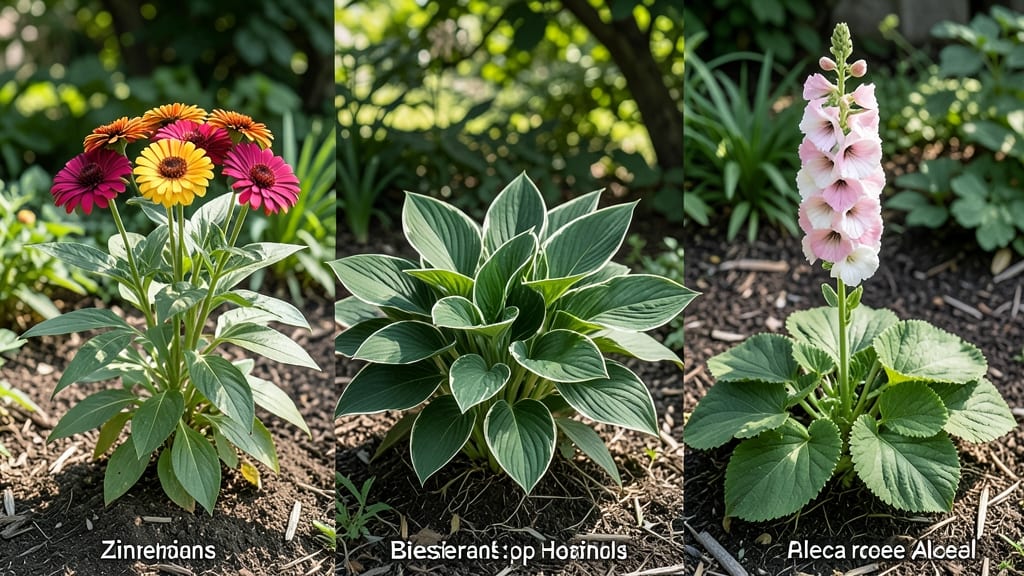
Annual, perennial, and biennial plants differ by lifecycle: annuals complete their entire growth cycle in one season, perennials return year after year from the same root system, and biennials focus on leaf growth their first year before flowering and seeding in their second. Knowing these patterns helps you plan your garden layout and maintenance schedule.
These lifecycle differences directly impact how you care for each plant type.
Annuals like marigolds and zinnias thrive on quick, dramatic growth but require replanting each year, while perennials such as lavender and coneflowers build root systems over time, making them more resilient to drought and pests. 🌱 Biennials like foxgloves and hollyhocks have a unique two-stage development—first storing energy in their roots before dedicating resources to flowers and seeds.
This means you'll often see them blooming in their second year, which can be a surprise if you're not expecting it. Understanding these patterns helps you choose the right plants for your seasonal goals, whether you're aiming for summer color or long-term landscape structure.
For gardeners, this knowledge translates to smarter planting decisions. For example, biennials planted in early spring will likely produce their best blooms the following year, while annuals planted in late summer can provide fall color. Perennials, on the other hand, reward patience with years of blooms and minimal replanting needs.
The key is matching your timeline with the plant's natural growth rhythm—something that becomes second nature once you start observing these patterns in your own garden.
💡 In This Article
- Lifecycle Differences Between Annuals, Perennials, and Biennials
- How to Identify Plant Types by Growth Habits and Flowering Patterns
Lifecycle differences between annuals, perennials, and biennials
The core distinction between these plant types lies in their energy allocation strategies. Annuals like sunflowers and cosmos devote all their resources to rapid growth, flowering, and seed production within 60-180 days—their entire lifespan.
This "live fast, die young" approach allows them to complete their life cycle before seasonal challenges like frost or drought occur. The trade-off? They lack the energy reserves to survive winter, which is why you'll see them bolt (flower prematurely) when days shorten in late summer.
Perennials take a completely different approach by building underground storage organs like rhizomes, tubers, or deep root systems. Plants such as peonies and hostas allocate 30-50% of their energy to root development in their first year, creating reserves that sustain them through dormancy.
This explains why perennials often show minimal aboveground growth in their first season—they're quietly establishing their foundation. The key biological mechanism here is apical dominance, where the plant prioritizes root expansion over stem and leaf growth until it's ready to flower.
Biennials represent a fascinating middle ground with their two-phase strategy. During their first year, plants like carrots and onions focus entirely on vegetative growth, storing energy in their roots or leaves. This phase can last 6-12 months depending on the species, with some requiring vernalization (cold exposure) to trigger flowering.
The second year is all about reproduction—what botanists call the "reproductive phase"—where the plant redirects all resources to flower and seed production before dying. This delayed reproduction strategy helps biennials survive through harsh seasons when annuals would perish.
What makes these differences practical is how they affect your gardening timeline. Annuals give you quick color but require constant replanting, while perennials offer long-term beauty with minimal effort after establishment.
Biennials present a unique opportunity for gardeners who can commit to a two-year cycle—think of them as the "investment plants" that reward patience with spectacular blooms in their second year.
The energy allocation patterns also explain why perennials often bloom later than annuals in the season—they're still recovering from winter dormancy while annuals are already in full flower mode.
Consider how these cycles interact with your climate zone. In warmer regions, some plants classified as biennials in cooler climates might behave more like annuals, completing their cycle in a single year.
This is why plant tags often include terms like "hardy biennial" or "tender annual"—they're giving you crucial clues about how the plant's natural growth rhythm aligns with your local conditions.
For example, foxglove (Digitalis) typically takes two years to flower in Zone 5 but may complete its cycle in one year in Zone 9.
Understanding these biological processes helps you make smarter planting decisions. If you want continuous color, mix annuals for quick impact with perennials for long-term structure. For cut flowers, biennials planted in early spring can provide stunning bouquets the following year with minimal maintenance.
The key is observing how each plant type responds to seasonal cues—whether it's the rapid shoot growth of annuals in spring or the gradual emergence of perennial leaves as temperatures rise.