
Orchid Care
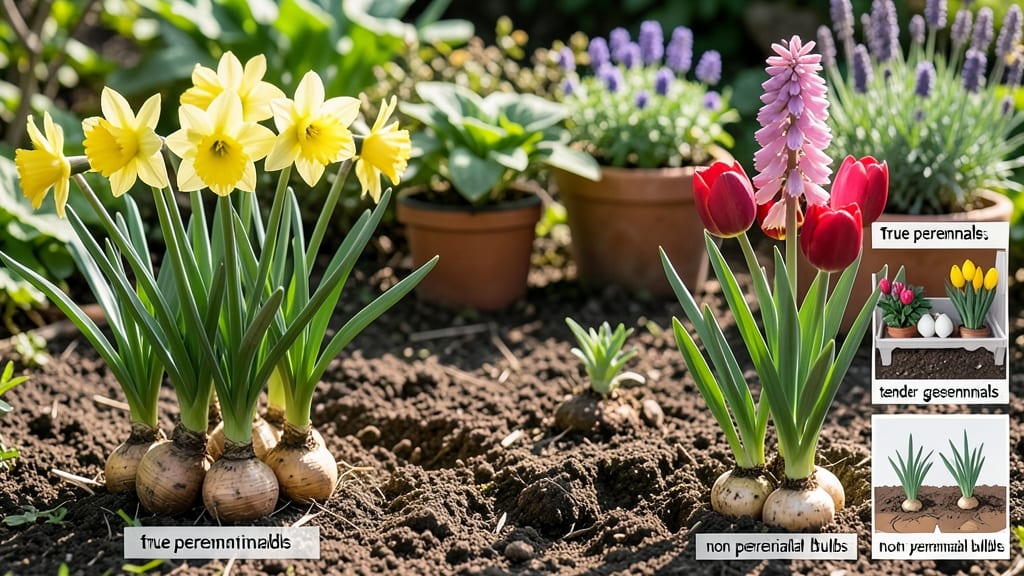
Not all bulbs are perennials—some, like summer bulbs (gladiolus or dahlias), die back each year but regrow from their root systems, while others (tulips or daffodils) return yearly without needing replanting. Certain varieties, such as onions or garlic, follow unique life cycles as biennials or short-lived perennials.
Bulbs actually fall into three main categories based on their lifespan: true perennials, seasonal die-back types, and short-lived varieties. 🌱 The confusion often comes from how gardeners classify plants—what you might call a "bulb" could actually be a corm (like gladiolus), tuber (dahlias), or even a rhizome (like iris).
True perennials like tulips store energy underground year-round, while summer bulbs go dormant but rely on healthy roots to regrow. Even within "perennials," some like alliums naturalize aggressively, while others need careful winter protection to survive.
Understanding these differences helps explain why some bulbs disappear after flowering—it's not always a sign of failure. For example, dahlias produce massive blooms but need their tubers dug up and stored in winter, while tulips often return without intervention.
The key is matching your climate to the bulb's native growing conditions and adjusting care accordingly.
💡 In This Article
- How Bulb Life Cycles Differ by Type
- Gardening Tips for Extending Bulb Longevity
How bulb life cycles differ by type
Bulbs aren't all created equal—they actually fall into distinct botanical categories that determine their lifespan and care needs. True perennials like tulips and daffodils store energy in underground bulbs that remain dormant but viable through winter, emerging each spring from the same root system.
These bulbs can live for decades with proper care, though some varieties like tulips may need division every 3-5 years to prevent overcrowding.
The confusion often stems from different root structures: tuberous roots (dahlias), corms (gladiolus), and rhizomes (iris) behave differently than true bulbs (like onions or garlic).
For example, dahlias produce tubers that must be dug up and stored in 40-50°F conditions over winter, while gladiolus corms are more cold-sensitive and often treated as annuals in colder climates. 🌱 Even garlic, classified as a bulb, follows a biennial cycle—it grows leaves the first year, then flowers and produces new bulbils the second year.
Seasonal bulbs like cannas or caladiums are particularly tricky—they're often marketed as perennials but die back completely in frost, requiring you to dig and store their roots. These plants rely on starch reserves in their underground structures to regrow, similar to how potatoes regenerate from eyes.
The key difference is that true perennials maintain some living tissue year-round, while seasonal bulbs go fully dormant.
Climate plays a massive role in these cycles. In Zone 5, tulips might naturalize and return reliably, while in Zone 8, dahlias can overwinter in the ground with proper mulching.
Some bulbs like alliums actually thrive on neglect, spreading aggressively through offsets, while others like fritillaries require precise winter chilling (35-45°F for 12-16 weeks) to bloom reliably.
Here's what's happening underground: True perennials maintain a meristem (growth center) that stays alive through winter, while seasonal bulbs convert all their energy into storage organs. This is why you might see tulips push through snow while dahlias need their tubers protected from freezing.
The root structure determines how they handle dormancy—bulbs have concentric layers, corms are solid stems, and tubers are swollen roots.
Consider these key distinctions when planning your garden:
- True perennials: Tulips, daffodils, crocuses (return yearly)
- Seasonal die-back: Dahlias, gladiolus, cannas (require storage)
- Biennials/short-lived: Onions, garlic, shallots (2-year cycle)
- Aggressive spreaders: Alliums, snowdrops (naturalize easily)
The takeaway? Not all bulbs follow the same rules—some are built for longevity while others are seasonal performers that need your help to survive winter. Understanding these differences lets you choose plants that match your climate and care capacity. 💫