
Flowers
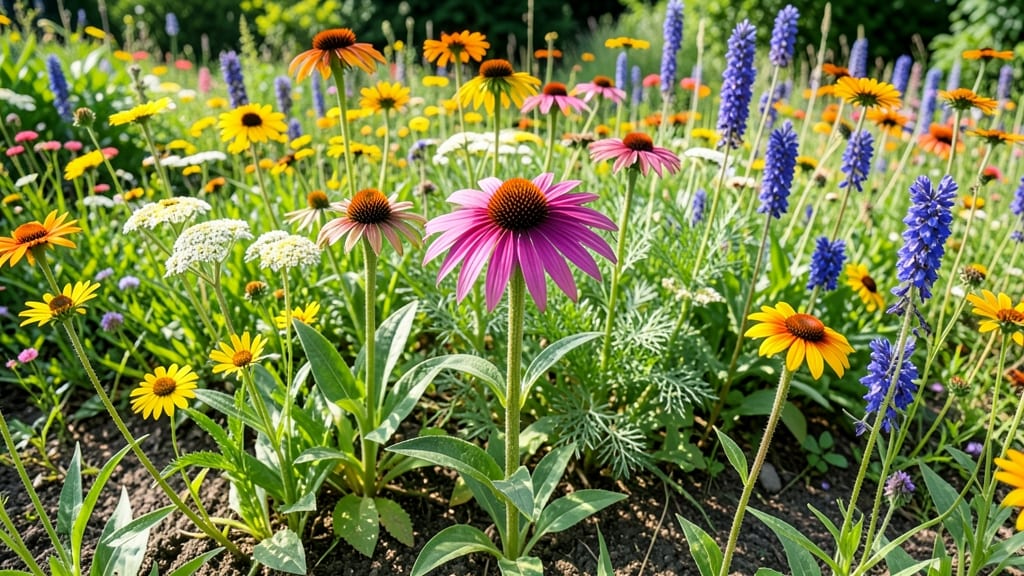
Not all wildflowers are perennials—many are annuals or biennials, completing their life cycles in one or two years. True perennial wildflowers, like black-eyed Susans, return yearly, while others self-seed to create long-lasting displays.
Wildflowers actually fall into three main categories based on their life spans: annuals, biennials, and perennials. 🌼 Annuals like cosmos bloom all season but die back after setting seed, while biennials such as foxglove take two years to complete their cycle.
Perennials, however, are the true workhorses—they regrow from the same root system each year, offering consistent color with minimal replanting. The key difference lies in their root structures: perennials develop deep, woody roots that store energy, while annuals and biennials rely on quick seed production for survival.
For gardeners, this distinction matters when planning seasonal color.
Annuals provide instant impact but require yearly replanting, while perennials demand more patience upfront but reward you with years of blooms. 🌿 Many "wildflowers" actually fall into the self-seeding category—like poppies or bachelor's buttons—which act like annuals but reseed aggressively, creating the appearance of perennial behavior.
Understanding these differences helps you choose plants that fit your timeline and maintenance preferences.
💡 In This Article
- Wildflower Life Cycles: Annuals, Biennials, and Perennials Explained
- Best Wildflowers for Year-Round Color: Perennial vs. Self-Seeding Varieties
Wildflower life cycles: annuals, biennials, and perennials explained
The core difference between wildflower types lies in their root systems and energy storage. Annuals like cosmos or marigolds develop shallow roots and complete their entire life cycle—germination, flowering, seeding—in just 60-90 days. Their energy focus is on rapid reproduction rather than long-term survival.
Biennials such as foxglove or hollyhock take two years: first year building leafy rosettes, second year flowering and seeding. Perennials like black-eyed Susans invest in deep, fibrous roots that store carbohydrates, allowing them to regrow each spring from the same root system. 🌱
Climate plays a crucial role in these strategies. Annuals thrive in warm, short seasons where they can germinate, bloom, and set seed before frost. Perennials dominate cooler climates where they can enter dormancy during winter and emerge again.
The 10-10-10 rule (10% annuals, 10% biennials, 80% perennials) is a common guideline for creating resilient wildflower meadows. Annuals provide instant color, biennials bridge gaps, while perennials ensure long-term beauty.
For example, coneflowers (perennial) can live 3-5 years or longer with proper care, while zinnias (annual) complete their cycle in 60 days.
Flowering patterns reveal these differences too. Annuals typically bloom all season long but fade completely after seeding. Biennials often produce their best flowers in their second year before dying. Perennials may have specific bloom times (like bearded iris in early summer) but return reliably.
The key mechanism is energy allocation: annuals prioritize seed production, biennials balance growth and reproduction, while perennials focus on root storage and regrowth. 🌸
Seed germination timing varies dramatically. Annuals often have 70-90% germination rates within 7-14 days of planting, while perennial seeds may take 30-60 days to sprout due to their more complex root development. Biennials typically germinate in spring, grow leaves the first year, then flower the second.
This delayed gratification explains why many gardeners prefer annuals for quick color, despite their short lifespan. The trade-off is clear: annuals offer instant gratification but require annual replanting, while perennials demand patience but reward with years of blooms.
Consider the self-seeding phenomenon—what makes some annuals appear perennial. Plants like poppies or lupines drop thousands of seeds that germinate the following year, creating dense stands. This natural reseeding mimics perennial behavior but relies on annual plants.
The difference? True perennials regrow from existing roots, while self-seeders depend on new seedlings. For example, a single poppy plant can produce 20,000+ seeds, ensuring its "perennial" appearance without being a true perennial. 🌿
Understanding these distinctions helps with garden planning. Annuals excel in containers or short-season areas, biennials work well in transitional spaces, while perennials anchor long-term designs. The root depth of perennials (often 12-24 inches) also makes them more drought-tolerant once established, compared to annuals with shallow roots.
This biological diversity is what makes wildflower meadows so resilient and visually dynamic across seasons.