
Orchid Care
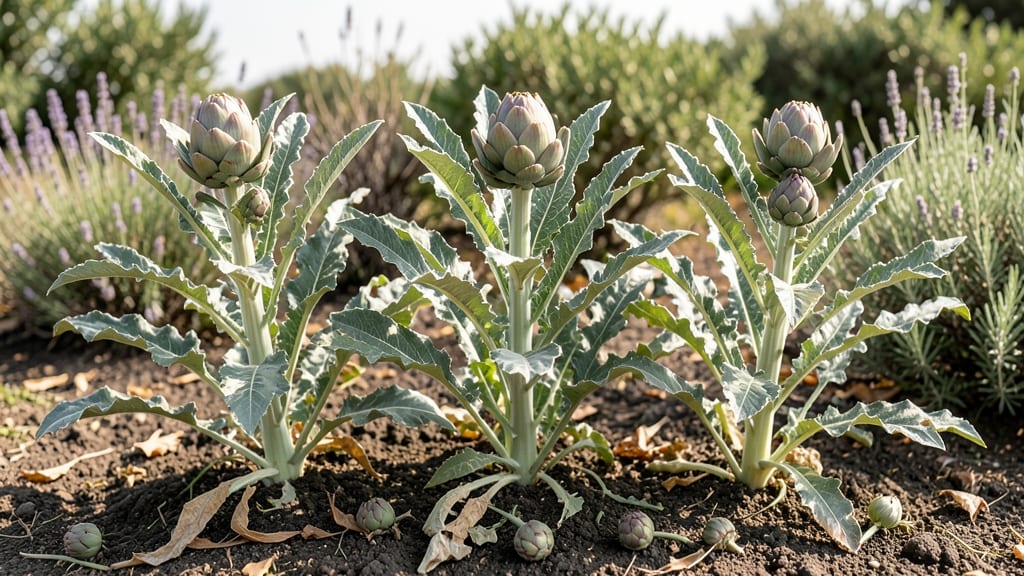
Artichokes grow as perennials in warm climates but are typically treated as annuals in colder regions where frost damages their crowns. With proper winter protection, they can survive and regrow for multiple seasons even in cooler areas.
This growth pattern comes down to temperature tolerance—artichokes thrive in USDA zones 7-10 where they naturally regrow each spring from their sturdy root systems. 🌱 In colder zones (5-6), the crown often dies back to the ground during winter, forcing gardeners to replant annually unless they take protective measures like heavy mulching or row covers.
The key difference lies in their ability to endure dormancy: in warmer regions, they simply pause growth in winter, while colder climates push them toward annual behavior without intervention.
What's fascinating is how their root systems adapt. Artichoke roots can extend up to 3 feet deep, storing energy to regrow if conditions improve. This resilience means even in marginal climates, with the right care, you can coax perennial behavior from what would otherwise be an annual plant.
💡 In This Article
- Why Artichoke Growth Cycles Change by Climate
- Extending Artichoke Lifespan in Cold Regions
Why artichoke growth cycles change by climate
Artichokes belong to the thistle family (Cynara cardunculus) and are naturally perennial in their native Mediterranean climate, where they experience mild winters and hot, dry summers. The key factor is their crown—the thick, woody base where leaves and stems emerge—which contains dormant buds capable of regrowing once conditions improve.
In USDA hardiness zones 7-10, these buds survive winter temperatures down to 0°F, allowing the plant to regenerate annually without intervention.
The shift to annual behavior in colder climates happens because frost penetrates the crown, killing the dormant buds. Artichokes lack the deep root insulation of hardy perennials like asparagus or rhubarb.
Their root systems, while extensive (reaching 3-4 feet deep), can't protect the crown from prolonged exposure to 20°F or below.
This is why gardeners in zones 5-6 often see their plants die back completely—what appears to be annual growth is actually the plant's survival instinct kicking in after frost damage.
What most gardeners don't realize is how temperature triggers this behavior. Artichokes enter dormancy when nighttime temperatures consistently drop below 40°F for 2-3 weeks.
In warm climates, this dormancy is brief and reversible, but in colder regions, the prolonged cold signals the plant to allocate all energy to root storage rather than crown survival. The result?
A plant that looks like it's starting fresh each spring when, in reality, it's trying (and often failing) to regenerate from damaged tissue.
There's also a genetic component to consider. Most commercial artichoke varieties (like 'Green Globe' or 'Imperial Star') are bred for productivity in warm climates, not frost tolerance. These cultivars prioritize rapid growth and large buds over cold resistance.
However, some heritage varieties—such as 'Violetto' or 'Romanesco'—have shown better hardiness in marginal climates, demonstrating that with the right selection, perennial behavior can be coaxed even in cooler zones.
Here's the science behind the root resilience: Artichoke roots contain high levels of inulin, a prebiotic carbohydrate that acts as an energy reserve. When temperatures drop, the plant converts sugars into inulin for storage, which can sustain regrowth if the crown survives.
In ideal conditions (zones 7+), this system works perfectly—like a built-in battery that recharges each season. But in colder zones, the crown often becomes the weak link in this survival strategy.
The visual difference between perennial and annual growth is striking. In warm climates, you'll see established plants with multiple stems emerging from the same crown year after year, forming dense clumps.
In colder regions without protection, you're left with bare soil where the previous year's plant stood, forcing you to replant from seed or starts—a clear sign of annual behavior.