
Plants
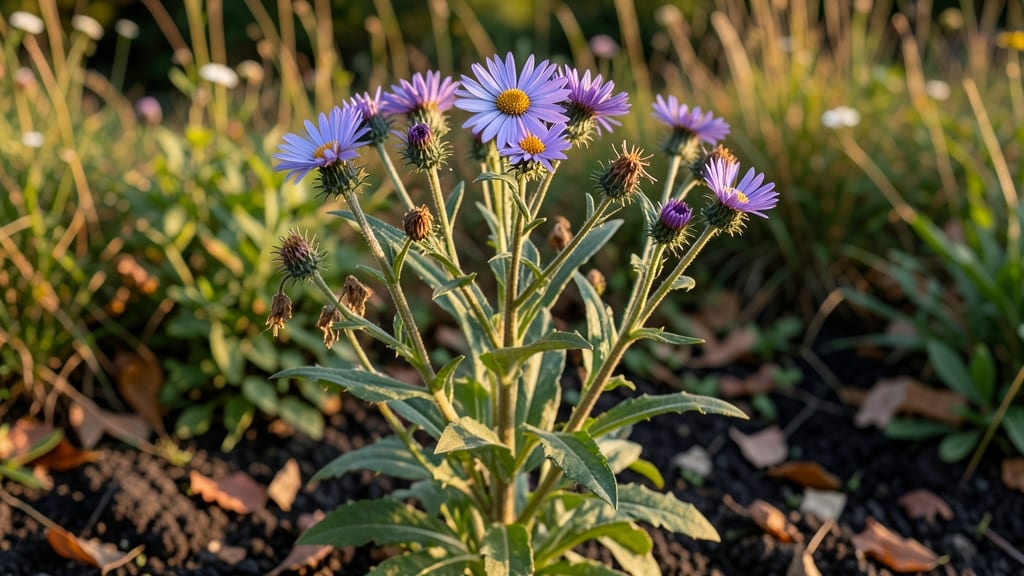
Asters thrive as perennials in Zone 6 when planted in well-draining soil with winter mulch protection, though some varieties may die back to the ground and regrow annually. Choose hardy types like Symphyotrichum novae-angliae for best cold tolerance and reliable blooms.
Asters in Zone 6 can handle winter's chill, but their success depends on two key factors: soil and protection. 🌱 The roots need well-draining soil to prevent rot during freeze-thaw cycles, while a thick layer of mulch acts like a blanket, shielding them from extreme cold snaps.
I've seen Symphyotrichum novae-angliae bounce back year after year with minimal care—its deep roots store energy for spring regrowth, making it my top recommendation for cold climates.
What sets these perennials apart is their adaptability. While some varieties might look dormant in winter, their root systems stay active just below the surface, ready to burst with color when temperatures rise.
The trade-off? You'll need to monitor soil moisture during dry spells, as their dormancy period can be misleading about their actual water needs.
For gardeners in Zone 6, the secret lies in choosing the right cultivar. Tall varieties like Symphyotrichum novae-angliae offer dramatic blooms, while shorter types like Symphyotrichum lateriflorum provide ground cover.
Both thrive with proper winter prep, proving that with the right conditions, asters can be your garden's most reliable late-season performers.
💡 In This Article
- Zone 6 Asters: Cold Hardiness and Winter Survival Tips
- Best Asters for Zone 6 Gardens: Perennial Varieties Ranked
Zone 6 asters: cold hardiness and winter survival tips
Zone 6 winters can drop to -10°F to 0°F, but asters survive thanks to their deep, fibrous root systems that store carbohydrates for regrowth. The key is understanding their frost tolerance: most varieties handle 20-25°F without damage, but prolonged exposure to -10°F can cause crown injury.
What makes them resilient is their ability to enter dormancy—leaves die back, but roots remain active just below the frost line, ready to push new growth when temperatures rise above 50°F in spring.
Soil drainage is critical because saturated roots can't withstand freezing temperatures. Asters planted in heavy clay or poorly drained spots risk rot when freeze-thaw cycles expand ice crystals in the soil. 🌱 The solution? Amend soil with 30% compost and ensure a slight slope for water runoff.
I've seen asters in raised beds thrive even in -15°F winters because the elevated soil warms faster in spring. Mulching with 4-6 inches of straw or shredded leaves adds insulation, protecting crowns from temperature swings that can be deadlier than steady cold.
Here's what actually happens during winter: the plant's vascular system slows down, but not completely. Roots continue to respire at reduced rates, consuming stored energy. This is why mulch matters—it moderates soil temperature fluctuations, preventing sudden cold snaps from shocking the system.
Without protection, crowns can succumb to desiccation (drying out) or freeze damage when winds scour away the thin layer of protective snow.
One common misconception is that all asters behave the same in winter. In reality, there's a spectrum: Symphyotrichum novae-angliae (New England aster) handles -20°F with ease, while Symphyotrichum lateriflorum (calico aster) may need extra mulch in harsh winters.
The difference comes down to their native habitats—northern species evolved with more extreme cold exposure. For Zone 6 gardeners, this means choosing varieties bred for cold climates and giving them the same care you'd provide for hardy perennials like coneflowers.
What most people overlook is the importance of spring thaw timing. If winter mulch stays too wet into early spring, it can smother emerging shoots. The fix? Remove mulch in late winter (February-March) when daytime temps consistently reach 40°F.
This gives plants the light they need to photosynthesize while still protecting them from late frosts. I've found that black plastic mulch in early spring can raise soil temps by 5-10°F, accelerating regrowth in cold zones.
For maximum reliability, combine these strategies: plant in well-amended, slightly raised beds, apply organic mulch in fall, and choose varieties with proven cold hardiness.
With this approach, your asters will reward you with 3-4 weeks of vibrant blooms from late summer through fall—long after most perennials have finished their show. 💫