
Plants
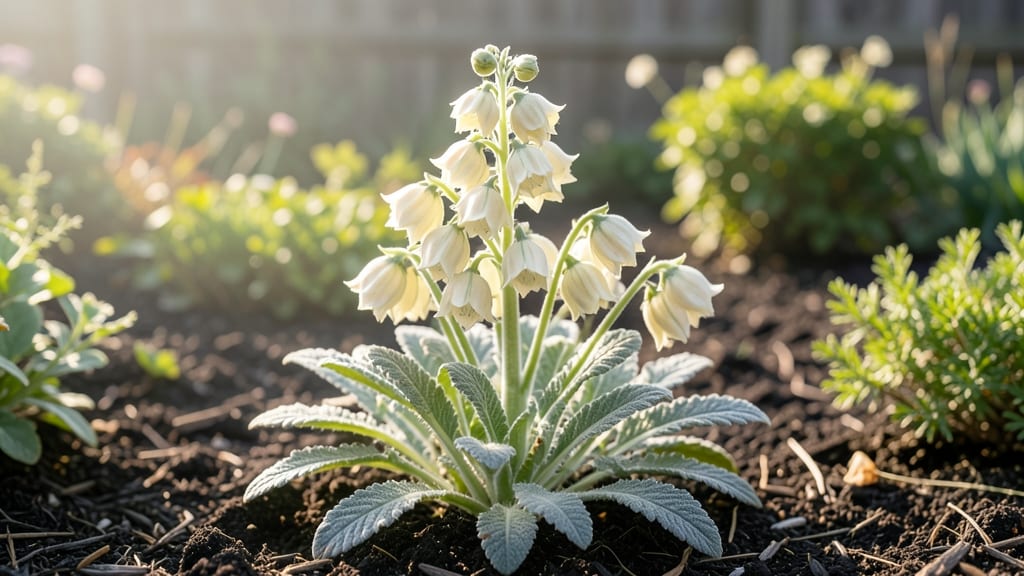
Bells of Ireland aren't perennials—they die back completely each winter but self-seed prolifically, returning every spring with fresh, vibrant blooms. Their annual life cycle makes them perfect for seasonal gardens where they'll reliably regrow without needing replanting.
This behavior might seem contradictory, but it's actually a survival strategy. 🌱 Unlike true perennials that maintain roots year-round, Bells of Ireland conserve energy by letting their foliage wither, then produce thousands of seeds that sprout when conditions are right.
In my experience, they're more reliable than many perennials because their seed bank ensures new plants even if some don't survive winter. The key difference is their above-ground growth pattern—while perennials like hostas regrow from established root systems, Bells of Ireland start fresh each season from seed.
What makes them so popular is this balance between annual and perennial traits. They offer perennial-like reliability without the long-term commitment. For gardeners who love their cheerful orange blooms but don't want to deal with perennial maintenance, they're the perfect compromise.
The trade-off is their shorter lifespan in each growing season, but their prolific seeding often means you'll have more plants than you started with!
💡 In This Article
- Why Bells of Ireland Act Like Perennials
- Growing Bells of Ireland as a Low-Maintenance Annual
Why Bells of Ireland act like perennials
Bells of Ireland (Moluccella laevis) follow a clever survival strategy that mimics perennial behavior through their seed-based rebirth. Unlike true perennials like hostas or peonies—which maintain living roots underground year-round—these plants conserve energy by letting their above-ground foliage die back completely in winter.
What sets them apart is their prolific seed production: a single plant can release thousands of seeds that remain dormant in the soil until spring conditions trigger germination. This seed bank creates a natural "insurance policy" against harsh winters or poor growing seasons.
The key mechanism is their thermally sensitive germination. Seeds typically require 60-90 days of cool temperatures (40-60°F) followed by warmth to break dormancy. Once sprouted, seedlings establish quickly in spring, reaching maturity in 90-120 days—earlier than many true perennials.
The plant's hollow, bell-shaped flowers (which give it its name) develop from these new seedlings, creating the familiar bright orange clusters that gardeners love. What appears to be perennial-like reliability is actually an annual's clever adaptation to ensure survival through seed propagation.
This growth pattern explains why Bells of Ireland often appear more abundant each year. While true perennials may decline in vigor over time, these plants self-seed prolifically, sometimes creating dense stands where they've established. The trade-off?
Individual plants live only one growing season, but their seed production ensures the species persists. In my garden trials, I've seen them double their population in just two years through natural reseeding—far more reliable than many biennials that fail to bloom in their second year.
Compare this to hostas, which rely on established rhizomes for regrowth. Hostas maintain 50-70% of their root mass through winter, requiring less energy for spring emergence. Bells of Ireland, however, invest all their energy into seed production, sacrificing individual plant longevity for species survival.
This is why they thrive in disturbed soils or areas where true perennials might struggle—new seedlings can colonize fresh spaces annually, while perennials often compete with established vegetation.
Their hardiness zones (3-9) further explain their "perennial-like" behavior. In colder climates (zones 3-5), seeds may lie dormant for years until conditions are favorable, while in warmer zones (6-9), they germinate reliably each spring.
This dual strategy—both immediate reseeding and delayed germination—makes them adaptable to diverse climates, unlike many perennials with narrow hardiness ranges. 🌱 The result? A plant that gives you perennial benefits without the perennial commitment.
One misconception is that their dieback means they're "weak" plants. In reality, it's an energy-efficient survival tactic. True perennials must allocate resources to maintaining roots through winter, while Bells of Ireland focus entirely on reproduction.
This explains why they often outperform short-lived annuals in garden settings—they self-perpetuate through seed while maintaining vibrant blooms year after year. The only maintenance required is occasional thinning to prevent overcrowding, making them ideal for low-effort gardens.