
Plants
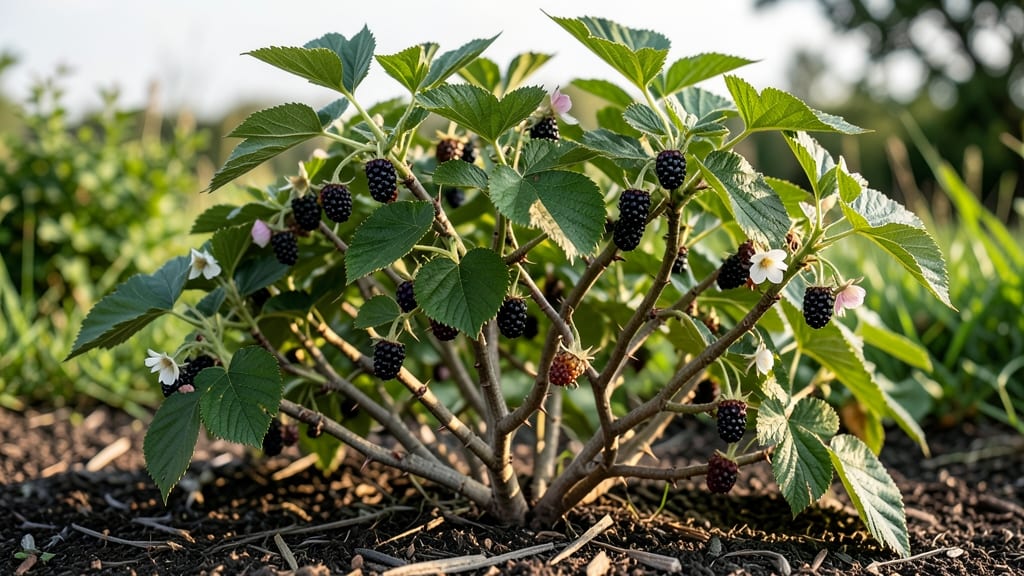
Yes, blackberries are perennials that die back to the ground each winter but regrow from their roots yearly, unlike annuals that complete their life cycle in one season. Their canes produce fruit before dying, while new canes emerge from the crown in spring.
Blackberries thrive as perennials because their root systems remain alive underground even when the above-ground growth appears dead in winter. 🌱 This means they can bounce back every spring without needing to be replanted, unlike annuals like tomatoes or marigolds.
The key difference lies in their cane structure: first-year canes (primocanes) grow vegetatively, while second-year canes (floricanes) bear fruit before dying back. This two-year cycle is what keeps blackberry bushes productive year after year, as long as gardeners provide proper care during dormancy.
Understanding this growth pattern helps gardeners plan their maintenance—like pruning old canes in late winter to make room for new growth. The root system's resilience is what makes blackberries such a rewarding plant for home gardens, as they can live for decades with proper care.
💡 In This Article
- How Blackberry Perennial Growth Cycles Work
- Caring for Blackberry Perennials Year-Round
How blackberry perennial growth cycles work
Blackberries exhibit a fascinating two-year cane cycle that defines their perennial nature. The process begins with primocanes—young, green canes that emerge from the root crown in spring. These canes focus on vegetative growth, developing leaves and stems but producing no fruit.
By late summer, they harden off and enter winter dormancy, appearing dead above ground while their roots remain active underground. This is where blackberries differ dramatically from annuals like zucchini, which complete their entire life cycle in one season and must be replanted yearly.
The magic happens in the second year when these now-woody floricanes (last year's primocanes) reawaken in spring. These mature canes bear fruit before dying back completely by winter.
The root system, which can extend 3-6 feet wide and 2-3 feet deep, stores energy in its rhizomes—thick, fleshy roots that act like natural batteries.
This underground network allows blackberries to regenerate new primocanes each spring, even after severe winter dieback. 🌱 The entire process relies on this root system's ability to photosynthesize through green leaves while the canes are dormant, building reserves for next year's growth.
What makes this cycle so efficient is the plant's ability to balance fruit production with survival. Unlike biennials (like carrots) that live two years and then die, blackberries continue this cycle indefinitely as long as conditions are favorable.
The floricanes produce fruit while the primocanes grow simultaneously, creating a continuous harvest window. This dual-system approach explains why blackberry bushes can remain productive for 15-20 years or more with proper care—a stark contrast to annuals that must be replanted every season.
Temperature plays a crucial role in this cycle. Blackberries require chilling hours (typically 500-1,000 hours below 45°F) during winter dormancy to break dormancy and stimulate new growth. Without adequate chilling, the root system may fail to produce primocanes, breaking the cycle.
This is why blackberries thrive in temperate climates but struggle in tropical regions where winter dormancy doesn't occur. The plant's ability to "reset" each winter through this chilling requirement is what keeps the perennial cycle running smoothly year after year.
Here's where the comparison to annuals becomes clear: while a tomato plant lives for one season, dies, and must be replanted, a blackberry bush lives for decades because its root system remains viable.
The above-ground dieback is merely a survival strategy—like a bear's winter hibernation—that conserves energy while the roots continue their vital functions. This biological adaptation allows blackberries to dominate disturbed habitats and garden spaces alike, making them one of nature's most resilient perennial fruits.
The two-cane system also explains why blackberry bushes often look "dead" in winter but spring back to life. What appears as dead wood is actually last year's floricanes that have fulfilled their purpose and are now ready to be pruned away.
The new primocanes that emerge from the crown are the future fruit producers, setting up the cycle to repeat. This predictable pattern is what makes blackberries such reliable garden plants—they don't just survive winter; they prepare for next year's harvest while doing it. 🌿