
Orchid Care
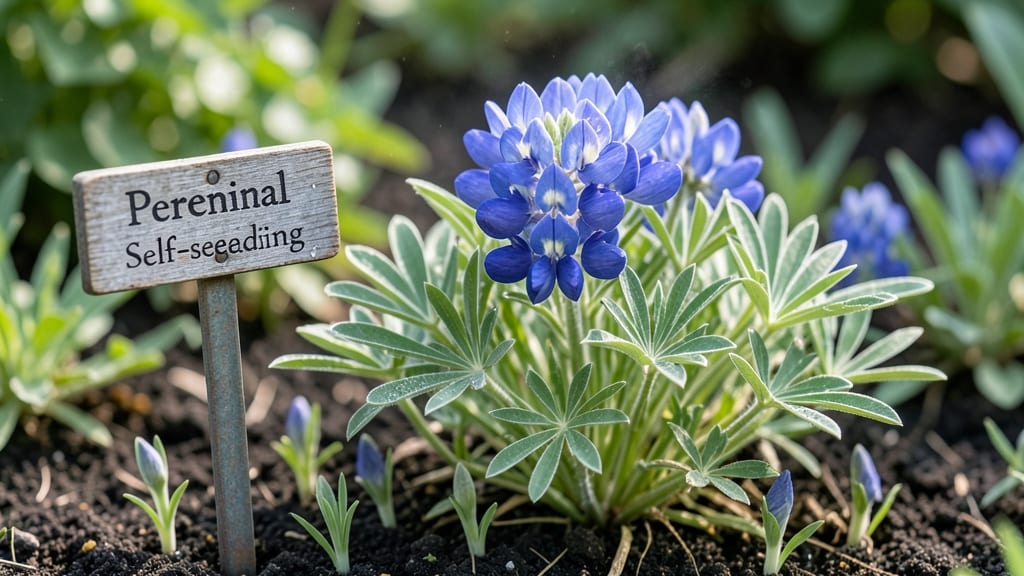
Bluebonnets behave as perennials in Texas but often act like annuals in colder climates, where they die back after flowering only to regrow from roots or seeds when conditions improve.
This dual nature comes down to their natural adaptation to Texas's warm winters. 🌱 In their native habitat, bluebonnets store energy in their roots during dormancy, allowing them to bounce back each spring.
However, when planted in colder regions, the roots often fail to survive harsh winters, forcing them to rely on seeds for regeneration instead. The key difference lies in how they handle seasonal stress—Texas natives thrive through root persistence, while transplanted bluebonnets must restart from scratch annually.
Understanding this life cycle helps gardeners know when to expect regrowth. In Texas, you'll see them return year after year from the same roots, while in northern climates, they may need annual replanting.
The secret to encouraging perennial behavior outside their native range lies in proper soil preparation and winter protection.
💡 In This Article
- Bluebonnet Life Cycle: Why They Die Back Each Year
- Growing Bluebonnets: Climate Adaptation Tips for Gardeners
Bluebonnet life cycle: why they die back each year
Bluebonnets (Lupinus texensis) undergo a fascinating survival strategy that explains their apparent dual nature. In Texas, where winter temperatures rarely drop below 20°F, their deep taproots (reaching 2-3 feet underground) store carbohydrates during dormancy.
These roots act like natural batteries, converting and storing energy from photosynthesis during the growing season. When spring arrives, the roots push new shoots upward, creating the vibrant blue blooms we associate with Texas wildflowers. 🌿 This root-based regeneration is the hallmark of true perennial behavior.
The magic happens through a process called senescence, where the plant's leaves and stems die back in response to cooler temperatures and shorter daylight. However, the roots remain alive and metabolically active, even when above-ground growth appears dead. This dormancy isn't true hibernation—it's more like a strategic shutdown.
Bluebonnets can maintain this state for months, only resuming growth when soil temperatures reach 55°F consistently. In contrast, annual plants like marigolds complete their entire life cycle in one season, producing seeds before dying completely.
What makes bluebonnets unique is their ability to switch between perennial and annual strategies depending on conditions. In colder climates, their roots often can't survive freezing temperatures, forcing them to rely on seed production instead.
Each bluebonnet plant can produce 100-200 seeds per pod, creating a natural seed bank in the soil. These seeds remain viable for years, waiting for ideal conditions to germinate.
This dual strategy—root persistence in warm climates and seed dispersal in harsh ones—explains why they seem to disappear only to return mysteriously each spring in Texas. 🌱
Scientifically, this adaptability falls under plasticity in plant life cycles. Bluebonnets demonstrate what botanists call facultative perennials—plants that can behave as either perennials or annuals depending on environmental cues. The key difference from true annuals is their ability to regenerate from roots when conditions permit.
This flexibility has allowed bluebonnets to thrive across Texas's diverse ecosystems, from coastal prairies to hill country, where they've become the state flower.
Here's what this means for their growth pattern: In Texas, you'll see the same plants return year after year from the same root systems, creating dense stands over time.
But in northern gardens, where winters drop below 10°F, the roots typically die back completely, and the plant must restart from seeds.
This explains why they often appear as annuals in non-native regions—it's not that they can't be perennials, but that the climate prevents their root survival strategy from working. 💫
The transition between these states isn't random—it's triggered by specific temperature thresholds. Research shows bluebonnets begin preparing for dormancy when nighttime temperatures consistently fall below 60°F for several weeks. This temperature acts as a biological switch, signaling the plant to conserve energy in its roots rather than continue above-ground growth.
The deeper the roots go, the better they survive drought and cold, which is why Texas's well-drained soils provide the perfect environment for this strategy to work.