
Orchid Care
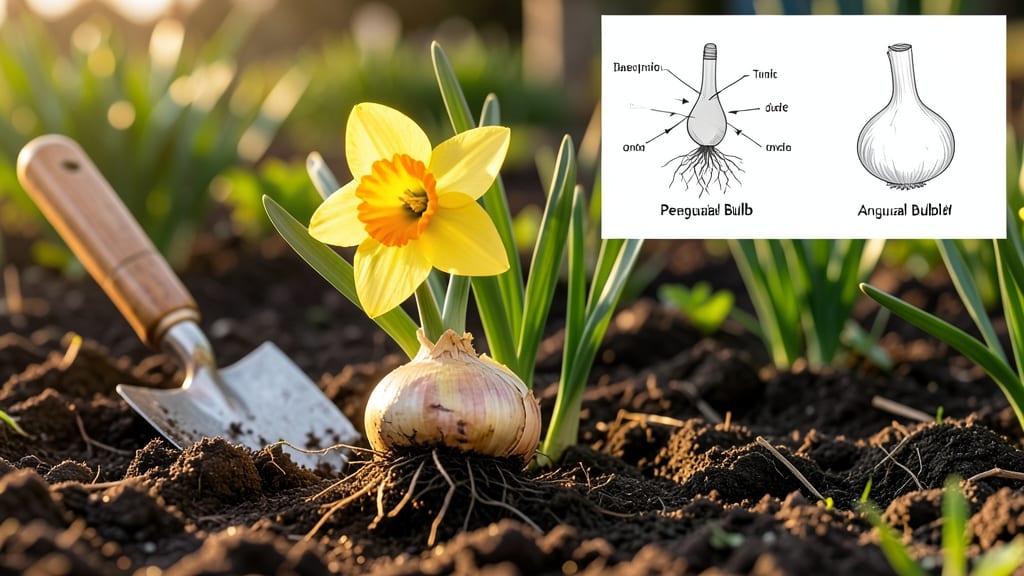
Bulbs are perennial plants that regrow each season from their underground storage structures, though varieties like garlic or shallots often act as annuals in colder regions. With proper care, most bulbs can live for years through seasonal dormancy.
Most bulbs—think daffodils, tulips, or hyacinths—are perennials because they store energy in their underground corms, tubers, or bulbs during dormancy. 🌱 This lets them push through soil year after year, provided they get enough sunlight and consistent moisture.
The exception? Some bulbs like garlic or shallots only complete one full growth cycle before dying back, especially in regions with harsh winters. This isn't a hard rule, though—even "annual" bulbs can sometimes return if conditions are right!
What sets true perennials apart is their ability to rebuild their storage systems after flowering. For example, a daffodil bulb might shrink after blooming but still pack enough energy to regrow next spring.
This makes them low-maintenance stars for gardeners who want long-term color with minimal replanting. Just remember: even perennials need occasional dividing to prevent overcrowding!
💡 In This Article
- Botanical Classification: Why Most Bulbs Are Perennial
- Garden Planning: Annual vs Perennial Bulb Behavior
Botanical classification: why most bulbs are perennial
Bulbs are classified as perennials because they've evolved specialized underground storage organs—like true bulbs (e.g., tulips), corms (e.g., crocuses), or tubers (e.g., dahlias)—that act as living batteries. These structures store carbohydrates, proteins, and water during dormancy, allowing the plant to regenerate above-ground growth when conditions improve.
The key mechanism is their ability to enter a state of metabolic dormancy, where growth slows dramatically but essential life functions continue at minimal levels.
Two bulb types demonstrate this perfectly: tunicated bulbs (like onions) have papery outer layers that protect against moisture loss, while tunicless bulbs (like lilies) have fleshy scales that store nutrients more efficiently.
This structural difference explains why tunicated bulbs often survive better in drier climates—their protective layers reduce water loss during dormancy. For example, a daffodil bulb can shrink to half its size after flowering but still retain enough energy to produce new foliage next spring, thanks to these adaptations.
The perennial advantage becomes clear when comparing to annuals like marigolds, which complete their entire lifecycle in one season and must be replanted yearly. Bulbs, however, can live for decades if given consistent care.
Take the famous 1,000-year-old tulip bulbs discovered in a Dutch flower shop—these perennials had been regenerating through generations of gardeners! This longevity comes from their ability to rebuild storage reserves each year through photosynthesis in their leaves.
Seasonal timing is critical to this survival strategy. Most bulbs enter dormancy when day lengths shorten and temperatures drop. During this period, they focus energy on root development rather than foliage growth.
This is why you'll see many bulbs pushing through snow—even at 32°F—because their metabolic processes have already adapted to cold. The trade-off? They require precise planting depths (typically 6-8 inches for most bulbs) to avoid rot or freezing.
What most gardeners don't realize is that even "annual" bulbs like garlic often behave as perennials in mild climates. The difference comes down to temperature thresholds: garlic bulbs may survive multiple years in Zone 7+ but typically die back in Zone 5 due to winter cold.
This biological flexibility makes bulbs one of nature's most resilient plant groups—adapted to thrive across continents through their underground storage systems.