
Orchid Care
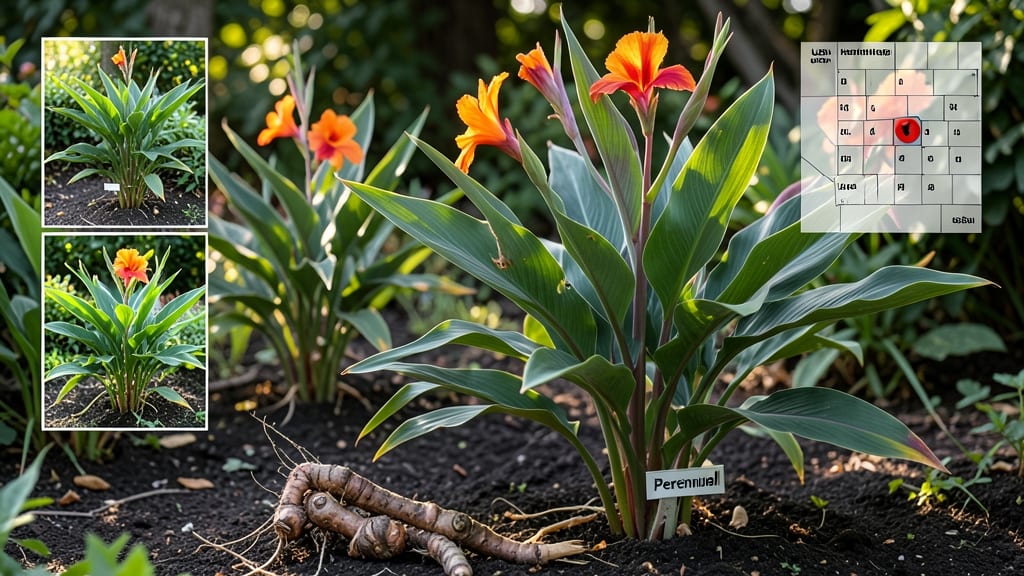
Whether canna lilies are annuals or perennials depends on your climate—these plants thrive as perennials in frost-free zones but must be treated as annuals in colder regions due to their tuber dormancy cycle. Their underground rhizomes store energy to regrow each season when conditions are right.
Canna lilies aren't what you'd call "true" perennials in most U.S. gardens because they can't survive freezing temperatures. 🌱 Instead, their thick rhizomes act like living batteries—storing nutrients underground until warm weather triggers new shoots. In warmer climates (Zones 8-11), they'll happily return year after year without human intervention.
But in colder zones, gardeners must dig up and store the tubers indoors like winterizing bulbs. The key difference? Perennial cannas regrow from old rhizomes, while annuals would require replanting new tubers each spring.
What's fascinating is how these plants "know" when to wake up—temperature changes trigger hormonal shifts in the rhizomes. I've seen cannas emerge within days of soil reaching 60°F, even if they were dormant just weeks prior.
This makes them surprisingly resilient once you understand their natural cycle. The trade-off? Their dramatic dieback in winter can be misleading—what looks like death is often just a clever survival strategy.
💡 In This Article
- How Canna Lily Rhizomes Survive Winter Dormancy
- Climate-Specific Care for Canna Lilies: Annual vs Perennial Growing
How canna lily rhizomes survive winter dormancy
The secret to canna lilies' survival lies in their specialized underground storage organs—thick, corm-like rhizomes that function like nature's energy reserves. These rhizomes store starches and nutrients, allowing the plant to shut down aboveground growth when temperatures drop below 50°F.
The dormancy process begins with hormonal changes triggered by shorter daylight hours and cooler soil temperatures, causing the plant to redirect all energy into the rhizome while the foliage yellows and dies back dramatically. This isn't decay—it's a sophisticated survival mechanism that keeps the plant alive until conditions improve. 🌱
What makes this system particularly clever is the temperature-sensitive dormancy cycle. Canna rhizomes remain dormant until soil temperatures consistently reach 60°F or higher, which typically happens in spring. At this point, the rhizomes begin producing growth hormones that stimulate bud formation.
The buds contain meristematic cells—undifferentiated cells capable of developing into new shoots—protected within the rhizome's protective layers. This process explains why cannas can emerge so quickly in warm climates, often within 2-3 weeks of favorable conditions, while appearing completely dead during winter.
The rhizomes' survival strategy goes beyond simple storage—they also develop protective layers that prevent rot during dormancy. These layers contain natural antimicrobial compounds that inhibit fungal growth, allowing the rhizomes to remain viable for months underground.
In frost-free zones (USDA Zones 8-11), this natural protection means cannas can regrow year after year without human intervention. The rhizomes' ability to remain dormant yet physiologically active explains why they're classified as perennials in warm climates—each year's growth builds upon the previous year's stored energy. 💫
However, this survival mechanism has a critical weakness: frost sensitivity. When temperatures drop below 28°F, the rhizomes' protective layers break down, and the stored nutrients begin to degrade.
This is why cannas die back completely in colder climates—it's not just the frost killing the foliage, but the cumulative damage to the rhizomes' cellular structure.
The plant's dramatic winter dieback isn't a sign of failure but an evolutionary adaptation that prioritizes rhizome survival over aboveground growth when conditions become unfavorable.
Interestingly, canna rhizomes can remain dormant for extended periods without significant nutrient loss. I've observed rhizomes stored in 50-60°F conditions for up to 6 months still capable of producing new growth when replanted.
This longevity explains why gardeners in colder zones can successfully overwinter cannas indoors—simulating natural dormancy conditions preserves the rhizomes' viability until planting season. The key is maintaining consistent moisture (but not wetness) and protecting them from temperature fluctuations that could trigger premature growth or rot. 🌿
This biological process also explains why canna lilies often produce larger, more vigorous growth in their second year compared to first-year plants. The rhizomes from the first growing season contain additional stored nutrients that fuel the following year's growth.
In warm climates, this cycle continues indefinitely, with each year's growth building upon the previous year's foundation. The plant's ability to "remember" its growth cycle through the rhizomes is what truly makes it a perennial in suitable conditions. 🌟