
Vegetables
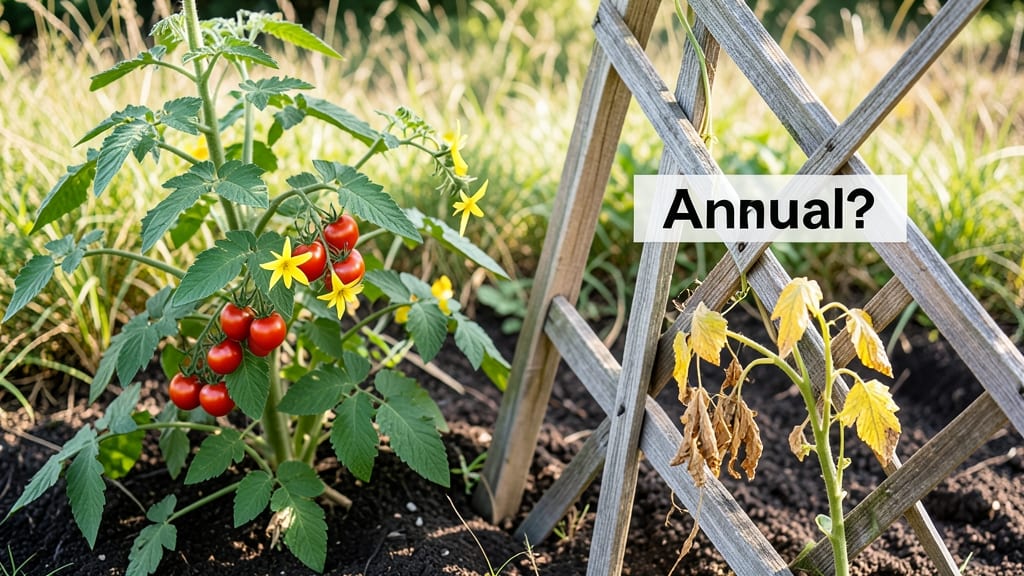
Cherry tomatoes are not perennials—they die back annually in cold climates, but their roots and base can survive mild winters in frost-free zones like USDA Hardiness Zones 10-12. Freezes trigger full dieback, forcing regrowth from the crown each spring.
When you hear "perennial," think of plants like asparagus or rhubarb that return year after year—but cherry tomatoes don't fit that category. 🌱 These plants are technically tender perennials, meaning their tops freeze to the ground in colder regions, but their roots often persist underground.
In warmer climates (Zones 10-12), you might even see new shoots emerge from the same root system the following spring, though they'll still require proper care to thrive.
The confusion comes from how gardeners treat them—most grow cherry tomatoes as annuals because they're easier to manage that way, especially in frost-prone areas.
What sets them apart from true perennials is their sensitivity to cold. A single hard freeze will kill the aboveground growth completely, unlike hardy perennials that survive winter dormancy.
Even in mild climates, cherry tomatoes need consistent warmth to produce fruit, which is why they're often replanted annually in most gardens. The key takeaway? They're not perennials in the traditional sense, but they do have persistent root systems that can regrow under the right conditions.
💡 In This Article
- Why Cherry Tomatoes Die Back: Climate and Plant Biology
- Extending Cherry Tomato Lifespan: Winter Care for Frost-Free Zones
Why cherry tomatoes die back: climate and plant biology
The key reason cherry tomatoes (Solanum lycopersicum) behave like annuals in cold climates lies in their tropical origins. These plants evolved in warm, frost-free regions of South America, where temperatures rarely drop below 50°F (10°C).
When exposed to freezing temperatures (32°F/0°C or lower), their cellular membranes rupture due to ice crystal formation, causing irreversible damage to stems and leaves. This process is called freeze-induced cell lysis, where water expands inside plant cells, bursting their walls like overinflated balloons.
However, their root systems are surprisingly resilient. Cherry tomato roots can survive mild winters in USDA Zones 10-12 because they're protected by soil insulation, which maintains temperatures above freezing. The root crown (where stems emerge) contains meristematic cells that remain dormant but viable until spring warmth triggers regrowth.
This explains why you might see new shoots appearing from the same spot year after year in frost-free areas—it's not true perennial behavior, but rather a survival adaptation of their root systems.
Botanists classify cherry tomatoes as tender perennials because they wouldn't survive winter in colder zones without human intervention. Compare this to true perennials like ground cherries (Physalis pruinosa), which produce woody stems that regrow annually from the same rootstock even after frost.
The difference lies in their hardiness: ground cherries can tolerate -10°F (-23°C) with proper mulching, while cherry tomatoes' roots typically survive only 20-25°F (-6 to -4°C) without protection.
Another critical factor is photoperiod sensitivity. Cherry tomatoes require 12-14 hours of daylight to flower and fruit, a trait common in tropical plants. When days shorten in winter, their growth naturally slows—this dormancy-like state isn't true winter hardiness but rather a response to environmental cues.
In warmer climates, this seasonal pause allows roots to conserve energy until spring's longer days trigger regrowth. 🌿
The confusion arises because gardeners often treat cherry tomatoes as annuals due to their cold sensitivity. In reality, their biological classification as short-lived perennials comes from their ability to regrow from roots when conditions are favorable.
This dual nature explains why some gardeners report "perennial" behavior in mild winters: it's not the plant's inherent hardiness but rather its root system's persistence under ideal conditions.
For practical observation, notice how cherry tomato plants in Zone 10 gardens often produce smaller, less vigorous growth in their second year compared to first-year plants. This decline occurs because the root system weakens from repeated regrowth cycles without proper winter care.
True perennials like asparagus maintain consistent vigor year after year because their root systems are designed for long-term survival.