
Plants
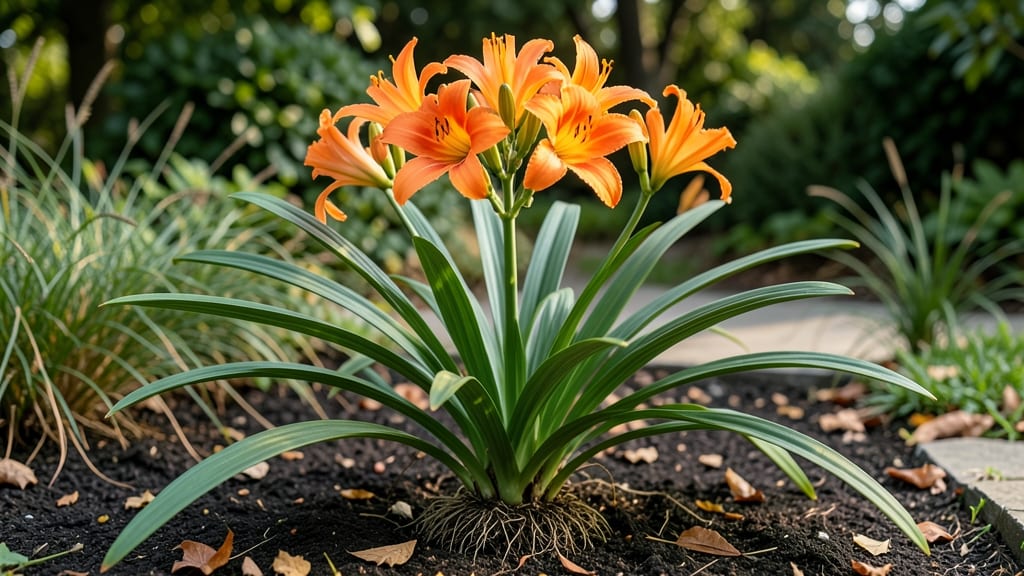
Day lilies are perennials that return year after year from their hardy underground rhizomes, surviving winter dormancy to burst back with bold summer blooms while requiring almost no extra effort once established.
These resilient plants store energy in their thick, fleshy rhizomes during winter, allowing them to push through soil and regrow as soon as temperatures rise. 🌱 Unlike annuals that die back completely, day lilies send up new shoots from the same root system, often multiplying over time.
I've seen them thrive in zones 3-9 with just basic soil and sunlight, making them one of the most forgiving perennials for gardeners who want reliable color without constant replanting.
What's particularly impressive is how they adapt—some varieties even spread aggressively, creating natural ground covers. The key to their longevity lies in that underground storage system, which acts like a built-in battery for the plant.
Once you get them established, they'll reward you with those signature trumpet-shaped blooms for decades with minimal maintenance.
💡 In This Article
- How Day Lily Rhizomes Survive Winter
- Planting and Caring for Day Lilies as Perennials
How day lily rhizomes survive winter
The secret to day lilies' perennial nature lies in their specialized underground storage system called rhizomes. These thick, fleshy roots store carbohydrates, proteins, and water like a natural battery, allowing the plant to survive harsh winters.
Unlike annuals that die completely, day lily rhizomes remain dormant but alive, with metabolic activity slowing to just 1-2% of normal levels during cold months. 💫
These rhizomes can tolerate temperatures as low as -25°F to -30°F (zones 3-9), thanks to their high starch content which acts as an antifreeze. The outer layer thickens annually, providing insulation.
When spring arrives, stored nutrients fuel rapid regrowth—sometimes within 2-4 weeks after soil temperatures reach 50°F. This explains why established plants bounce back so reliably each year.
What's fascinating is how the rhizome system actually expands over time. Each year's growth produces new shoots and additional storage roots, creating a network that makes the plant more resilient.
Some varieties like 'Stella de Oro' develop rhizomes that spread 12-18 inches annually, while others like 'Happy Returns' grow more slowly but with thicker storage roots. This underground expansion is why day lilies often multiply without any gardener intervention.
The dormancy cycle follows a precise biological clock. In fall, as daylight shortens, the plant stops producing leaves and redirects energy to the rhizomes. By winter, the above-ground parts die back completely, but the rhizomes remain hydrated and protected.
When spring light increases, a hormone called gibberellin triggers bud break, sending up new shoots from multiple points along the rhizome network.
This survival strategy makes day lilies uniquely adaptable. Unlike tender perennials that need winter protection, day lilies handle freeze-thaw cycles naturally. Their rhizomes can even survive brief periods of soil flooding or light frost on the foliage, which is why they're often recommended for low-maintenance gardeners.
The only true threat comes from extreme drought or improper soil drainage during growing seasons.
Consider this biological marvel: a single day lily rhizome can produce 5-10 new shoots in its first growing season, and these in turn develop their own storage systems.
This exponential growth explains why some gardeners find day lilies spreading aggressively—it's not a flaw, but the plant's natural strategy for survival and reproduction. The more established the rhizome network becomes, the more resilient the plant grows each year.